








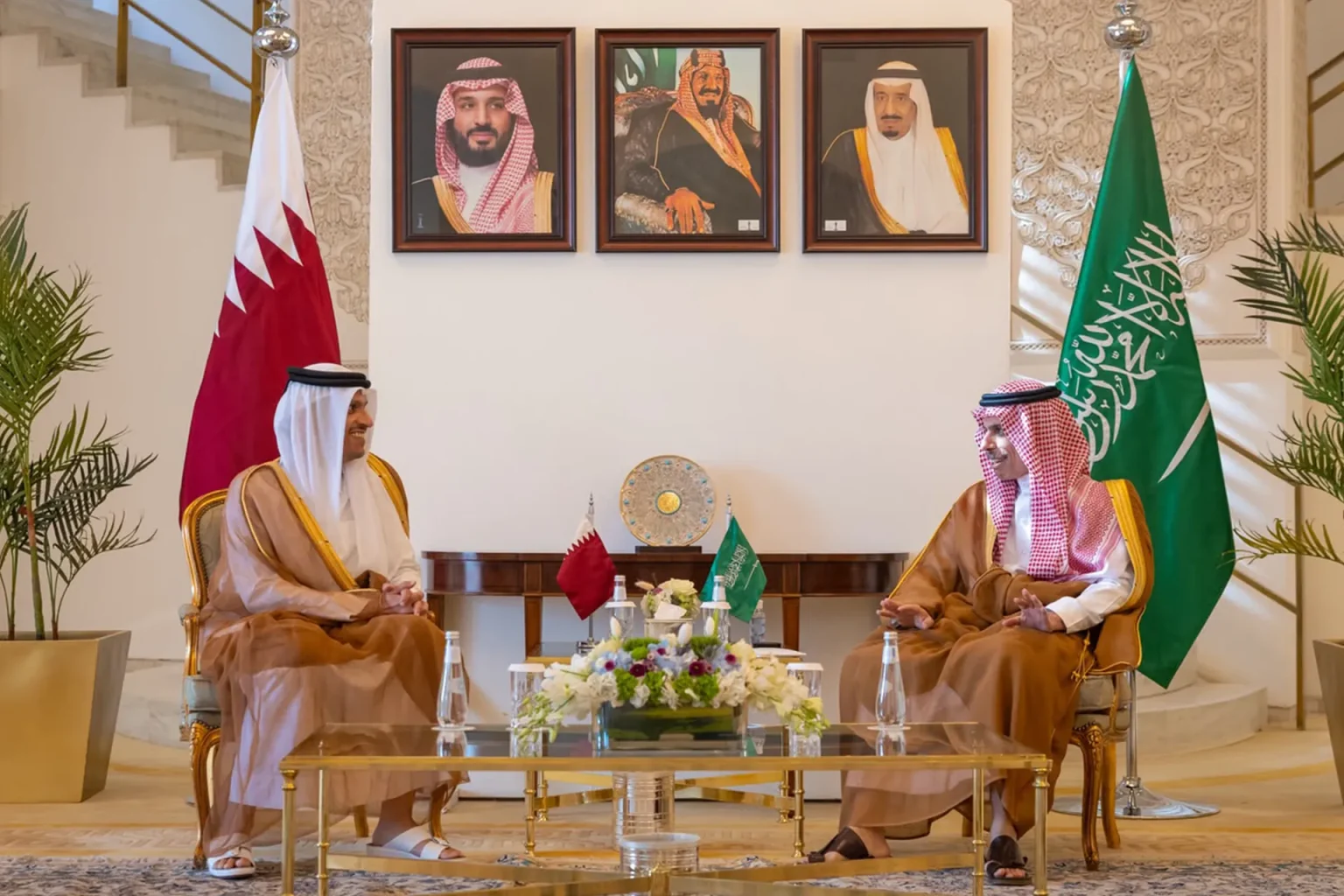

Maritime security highlighted in Riyadh talks
Qatar’s Prime Minister and Foreign Minister Sheikh Mohammed bin Abdulrahman Al Thani met with Saudi Foreign Minister Prince Faisal bin Farhan in Riyadh on August 19, 2026, and emphasized maritime security as a central concern. The leaders stressed the need to safeguard freedom of navigation and the uninterrupted flow of commerce through vital sea lanes, officials said, following a bilateral discussion on regional tensions and developments in Gaza.
Who met, what was discussed and immediate outcomes
The meeting brought together senior Qatari and Saudi officials for a wide-ranging review of the latest regional developments, according to a joint statement issued after the session. In addition to reiterating support for diplomatic solutions, the two sides condemned Israel’s refusal to implement the former U.S. administration’s Gaza plan, the statement said. They also pledged to continue coordinating positions and diplomatic outreach to reduce escalation across the region.
Maritime security and freedom of navigation in focus
The ministers underscored maritime security as a priority, noting particular risks to shipping in the Gulf and Red Sea. They said ensuring freedom of navigation and the safety of merchant vessels is essential to maintain global trade flows and regional stability. Furthermore, officials emphasized that secure sea lanes protect energy and food supply chains that many countries depend on, and that disruption could have broad economic consequences.
Diplomatic coordination to lower tensions
According to diplomatic sources, a main objective of the meeting was to bolster diplomatic coordination between Doha and Riyadh. The two governments discussed joint efforts to de-escalate tensions and to support dialogue among regional actors, the sources said. Additionally, they agreed on the importance of presenting unified positions at international forums to advance ceasefire efforts and humanitarian access to Gaza and the occupied Palestinian territories.
Strategic implications for the Gulf and Red Sea
Security concerns in the Gulf and Red Sea have drawn increased attention from regional and global powers alike. Disruptions in these waterways could raise insurance costs, reroute shipping, and prompt naval responses that further complicate diplomatic efforts. Therefore, both Qatar and Saudi Arabia signaled readiness to work with international partners to safeguard maritime routes, according to the officials present at the meeting.
How states might respond
While no new operational commitments were announced, analysts say closer cooperation between Gulf states could include coordinated monitoring, information-sharing, and diplomatic pressure on parties seen as threats to maritime stability. Meanwhile, freedom of navigation remains a shared objective for regional states, maritime insurers, and trade-dependent economies, and the ministers highlighted the need for continued international engagement to prevent escalation.
Context on Gaza and regional stability
The talks also addressed the humanitarian and security situation in Gaza, with Qatar and Saudi Arabia reaffirming support for diplomatic channels to reduce civilian harm and restore calm. Officials reiterated calls for expanded humanitarian access and for political measures that could lead to longer-term de-escalation. The ministers’ comments reflect a broader regional concern that local conflicts risk widening into broader confrontation affecting multiple fronts, including maritime routes.
Main keyword: maritime security — broader policy trends
Maritime security has become a recurring theme in Gulf diplomacy as states grapple with asymmetric threats, maritime incidents, and geopolitical competition. As countries reassess contingency plans for commercial and energy shipments, the Riyadh meeting signals a push toward greater collective attention to sea-lane protection. The ministers linked maritime security to economic resilience and pledged to keep it high on their bilateral agenda.
Related diplomatic and economic factors
Secondary issues referenced by officials included trade continuity, the role of international law in protecting sea lanes, and the economic stakes tied to uninterrupted shipping. Freedom of navigation was framed not only as a security concern but also as an economic imperative that supports supply chains and international markets. The ministers noted that constructive engagement with global partners will be necessary to mitigate risks.
What to watch next
Observers should watch for follow-up statements, joint initiatives, or multilateral engagement that might emerge from the Riyadh discussions. Officials indicated that ongoing coordination is expected, and further consultations between Qatar and Saudi Arabia could take place in the coming weeks. Additionally, stakeholders will monitor developments in Gaza and any maritime incidents that could test the commitments outlined in the meeting.
In conclusion, the August 19 meeting in Riyadh reaffirmed maritime security as a shared priority and highlighted renewed diplomatic coordination on Gaza and regional de-escalation. Readers should look for subsequent statements from both capitals, any planned cooperative measures to protect shipping in the Gulf and Red Sea, and international responses to the ministers’ call for safeguarding freedom of navigation.