








Oman-Iran phone call begins diplomatic outreach on regional tensions
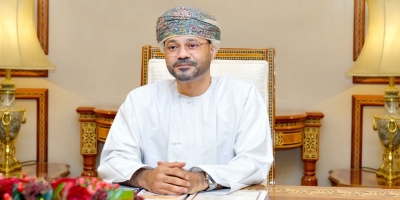
Omani Foreign Minister Badr bin Hamad Al Busaidi held an Oman-Iran phone call today with Iranian official Seyed Abbas Araqchi to discuss recent regional developments and avenues to resume dialogue. The Omani Ministry of Foreign Affairs said the conversation covered steps to prepare conditions for renewed negotiations and to seek peaceful solutions that consider the interests of all parties.
Who participated and what was discussed
The call involved Oman’s top diplomat and Seyed Abbas Araqchi, identified by the Omani ministry as the Iranian interlocutor. Officials said the ministers reviewed the broader regional context and emphasized the need to create a conducive environment for talks and negotiations that could bridge differences through diplomatic means.
Furthermore, the ministers addressed developments affecting commercial and military movement in and around the Strait of Hormuz. According to the statement, they underlined the importance of continued consultations to reach practical understandings that support freedom of navigation, safe maritime passage, and regional stability.
Implications for maritime security and the Strait of Hormuz
The discussion placed particular emphasis on the Strait of Hormuz, a strategic chokepoint for global energy shipments. Maritime security concerns have dominated international attention in recent months, and the ministers agreed that resuming dialogue could reduce risks to shipping and commerce, officials said.
Therefore, the Oman-Iran phone call sought to reaffirm commitments to ensure unimpeded navigation and to explore confidence-building measures. Such measures could include enhanced communication between naval and port authorities, information-sharing on commercial traffic, and coordination to prevent misunderstandings that might lead to incidents at sea.
Why Oman is positioned to facilitate talks
Oman has long presented itself as a mediator in Gulf affairs, maintaining relations with a broad set of regional and international actors. The Omani ministry’s role in hosting and relaying diplomatic messages is recognized by several governments, which makes its involvement significant when tensions rise.
Additionally, Omani mediation is often framed as pragmatic and discreet, allowing parties to test proposals without public escalation. Therefore, the latest Oman-Iran phone call reflects an effort to use established diplomatic channels to pave the way for formal negotiations or confidence-building exchanges.
Context: regional developments and diplomatic openings
Recent regional incidents and heightened maritime activity have prompted calls for renewed diplomacy. While the statement did not list specific events, officials indicated that the conversation was part of ongoing efforts to reduce frictions and promote stability in the Gulf region.
Related secondary keywords such as maritime security and diplomatic dialogue capture the broader themes behind the call. Observers note that practical arrangements to safeguard shipping lanes and to de-escalate tensions are high priorities for energy-exporting and transit states.
Reactions and international significance
International actors often welcome third-party facilitation when bilateral relations are strained. Analysts say that Oman’s initiative could help create a pathway for formal talks, even if progress is incremental and subject to political constraints in each capital.
Meanwhile, regional stakeholders are likely to monitor subsequent exchanges for signs of concrete measures. The Oman-Iran phone call may be followed by technical-level discussions or multilateral engagement involving neighboring states and maritime agencies to translate diplomatic intent into operational safeguards.
Next steps and what to watch
The Omani ministry indicated that the ministers agreed to continue consultations to seek practical understandings that support maritime freedom and regional stability. Therefore, the next expected step is a series of follow-up talks, potentially at the working level, aimed at outlining specific confidence-building measures and communication protocols.
Observers should watch for announcements about technical meetings, coordination mechanisms for maritime traffic, or invitations to broader diplomatic talks. Furthermore, monitoring statements from relevant ministries and regional organizations will help gauge whether the conversation evolves into sustained negotiations.
Background and broader diplomatic context
Oman’s diplomatic engagement in Gulf affairs has historically focused on quiet mediation rather than public grandstanding. The current outreach aligns with that pattern and reflects a preference for incremental progress over immediate breakthroughs.
In sum, the Oman-Iran phone call represents a measured diplomatic move aimed at reducing tensions, protecting commercial navigation through the Strait of Hormuz, and opening channels for continued diplomatic dialogue. The effectiveness of these efforts will depend on follow-through and the willingness of parties to convert discussions into tangible safety and security arrangements.
Further information
For official statements and updates, see the Omani Ministry of Foreign Affairs website: https://www.mofa.gov.om/. Readers should watch for additional ministry briefings and regional security reports that clarify the timeline and scope of upcoming talks.