






Bahrainna pavilion outreach at Youth City 2030
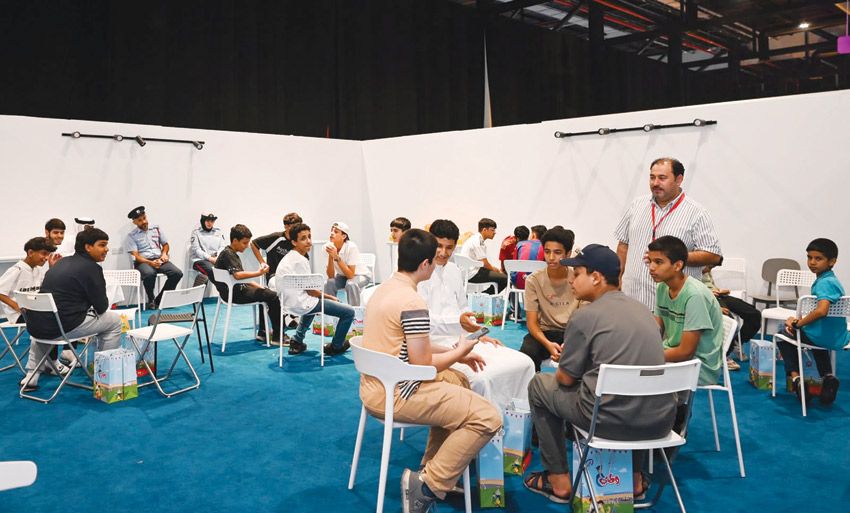
The Bahrainna pavilion hosted a series of educational field visits organized by the Executive Office of the National Plan to Promote National Belonging and Foster Citizenship Values, in coordination with the Ministry of Youth Affairs. The pavilion visits took place at Youth City 2030 and included daily school and youth center groups between August 16 and 20, with about 50 participants per visit.
Who participated and where the visits took place
The visits involved youth and adolescents from multiple youth centers representing towns and villages across the country. Officials said the Executive Office coordinated closely with the Ministry of Youth Affairs and local youth centers to schedule the visits during the week-long program at Youth City 2030. Therefore, the initiative sought broad geographic participation and representation among Bahraini youth.
Interactive programs featured inside the Bahrainna pavilion
Inside the Bahrainna pavilion, participants encountered a range of interactive programs designed to strengthen national identity and civic awareness. The programming included interactive digital exhibits, national quizzes, and hands-on activities that officials described as modern and engaging. Meanwhile, attendees took part in competitions hosted at the “Watani Magazine” corner and at the pavilion itself, which used interactive screens to present content and measure civic knowledge.
Signature activities and learning stations
Programs highlighted during the visits included the Tree of Loyalty installation, a Technology and Space Center exhibit, an entrepreneurship station referred to as the Small Merchant, and the Bahrainna Challenge contest. These stations aimed to combine educational themes with experiential learning, encouraging problem-solving and teamwork. Additionally, the pavilion offered opportunities for participants to engage with technology-focused displays that link national progress to future careers.
Why the initiative focuses on national identity and citizenship values
Organizers said the field visits are part of ongoing efforts to cultivate a sense of belonging and civic responsibility among younger generations. By presenting national themes in interactive formats, the Executive Office intends to make concepts of national identity and citizenship values more accessible and relevant to adolescents. Furthermore, the approach reflects a strategic investment in youth engagement that aligns with broader development goals outlined in the national plan.
How the program promotes youth engagement and skills development
The Bahrainna pavilion combines cultural education with practical activities to promote active participation. For example, the Small Merchant exercise provides a basic platform for financial literacy and entrepreneurship, while the Technology and Space Center encourages interest in STEM fields. Officials noted that these experiential components serve dual purposes: reinforcing civic concepts and building transferable skills that support future workforce readiness.
Coordination, scale and expected outcomes
The Executive Office emphasized that the pavilion visits are part of a larger series of outreach efforts planned throughout the year. According to official statements, the schedule for August 16–20 was intentionally concentrated to maximize participation and allow more youth centers to engage with the pavilion. The modest group size of about 50 participants per visit was intended to ensure meaningful interaction and effective facilitation.
Context and relevance to national development strategies
Analysts say initiatives that integrate civic education with youth development can contribute to long-term social cohesion and active citizenship. By situating the Bahrainna pavilion within Youth City 2030, organizers link symbolic narratives of national belonging to a forward-looking youth agenda. Furthermore, the initiative complements existing government efforts to encourage volunteerism, community partnership, and youth-led projects that align with national priorities.
What to watch next
Officials indicated that the pavilion program will continue with additional visits to youth centers across different governorates in the coming weeks. Readers should watch for updates from the Executive Office and the Ministry of Youth Affairs regarding expanded schedules, new interactive modules, and opportunities for broader community participation. In addition, follow-up reports are expected to assess participant feedback and learning outcomes.
Forward-looking conclusion
Overall, the Bahrainna pavilion at Youth City 2030 represents a focused push to combine civic education with experiential learning for adolescents and young people. The week-long series of visits from August 16 to 20 forms part of a sustained effort to embed citizenship values and strengthen national identity through youth engagement. Going forward, officials said they plan to evaluate impact and scale up successful elements to reach more communities across the country.