






UN Security Council statement draws unified Saudi and Qatari welcome
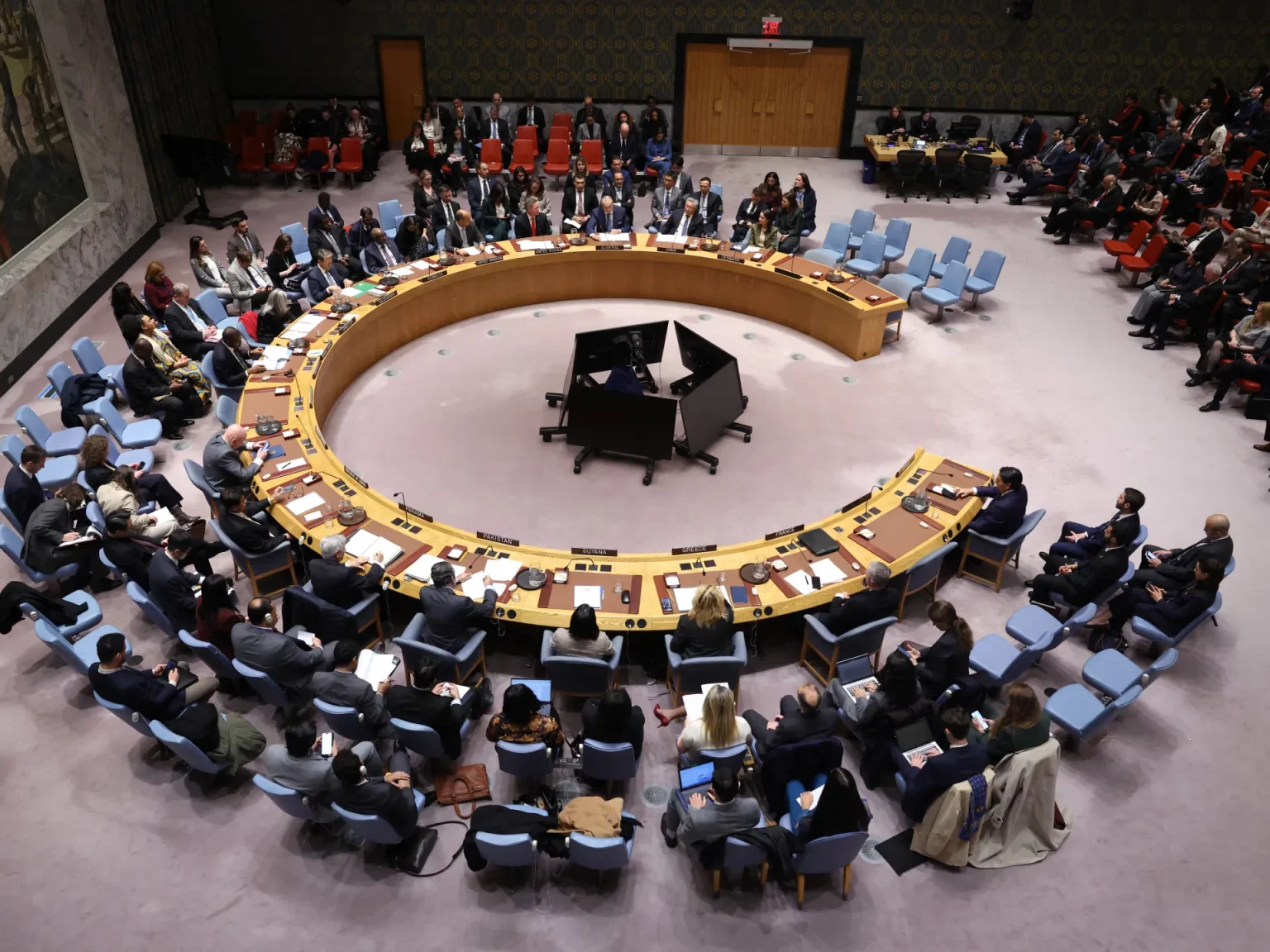
The UN Security Council statement condemning recent Houthi attacks on Saudi territory and commercial vessels was welcomed by both Saudi Arabia and Qatar on Saturday, officials said. The response followed a council declaration Friday that denounced missile and drone strikes and highlighted incidents affecting civil aviation and maritime traffic since mid-July.
Who issued statements and what they said
Saudi Arabia’s Ministry of Foreign Affairs issued a written statement asserting the kingdom’s right to protect its sovereignty and citizens, and said it will take measures consistent with international law, officials said. The ministry reiterated support for Yemen’s legitimate government and the UN special envoy’s efforts to restore peace and stability in Yemen, according to the statement.
Qatar’s Ministry of Foreign Affairs also expressed appreciation for the council’s emphasis on adherence to international law and relevant Security Council resolutions, and voiced full solidarity with Saudi Arabia, the ministry said. The statement framed Saudi security as integral to the security of Qatar and the wider Gulf Cooperation Council.
Main developments cited in the UN Security Council statement
The council’s declaration condemned a series of projectile attacks on Saudi Arabia reported since July 13 and assaults on commercial ships from July 22, according to members. It also criticized unauthorized landings at Sana’a International Airport and Hodeidah in July that occurred without approval from Yemen’s internationally recognised authorities, which the council said violated international civil aviation rules.
Members stressed that these actions threaten regional stability, maritime freedoms and safety, and risk escalating tensions while undermining diplomatic efforts aimed at resolving the conflict in Yemen, officials said. Therefore, the council urged restraint and urged parties to use existing channels of dialogue to address grievances.
Regional and maritime security implications
The UN Security Council statement underscores growing concerns about maritime security in the Red Sea, Gulf of Aden and adjacent waters, where commercial traffic plays a critical role in global trade. Shipping sources and regional analysts have increasingly flagged disruptions and elevated insurance premiums tied to attack risks, which could ripple into higher costs for international supply chains.
Meanwhile, the council highlighted that attacks on maritime traffic and airports have broader implications for Gulf security. Gulf Cooperation Council states view such incidents as direct threats to national sovereignty and the safety of seafarers, prompting coordinated diplomatic engagement and contingency planning, diplomats said.
Houthi attacks: context and response
Houthi groups, who exert control over large parts of northern Yemen, have periodically launched projectiles and drones in response to perceived threats and as leverage in the wider conflict. The Security Council statement specifically called on the Houthis to cease escalation and to engage through existing dialogue channels, according to council language.
Saudi officials framed their response as defensive and compliant with international law, while urging sustained international focus on preventing further incidents. Qatar’s expression of solidarity reflects diplomatic networking in the Gulf aimed at de-escalation and shared security frameworks.
Legal and diplomatic constraints
The council’s rebuke of unauthorized airport landings points to legal questions under international civil aviation norms and Yemen’s sovereign prerogatives. Therefore, aviation regulators and international agencies may monitor compliance closely as part of efforts to reduce risks to civilian flights and humanitarian operations, experts suggest.
Implications for peace efforts and humanitarian access
Observers say the statement could pressure armed actors to refrain from actions that undercut ceasefire talks or humanitarian deliveries. The Security Council reiterated support for the UN special envoy, Hans Grundberg, and his mediation work, stressing the need to protect channels that deliver aid and facilitate political negotiations.
However, analysts caution that condemnation alone may not change battlefield dynamics without parallel diplomatic incentives and enforcement measures. Therefore, members of the international community will likely watch whether the council follows the statement with targeted measures or increased mediation support.
What to watch next
Diplomats and regional officials will be monitoring three main developments: any immediate changes in Houthi targeting patterns, steps by the Security Council or member states to support enforcement of international law, and progress in UN-led mediation. Meanwhile, shipping operators and insurers will track incident reports and advisories that affect navigation routes and commercial operations.
Expect follow-up statements or actions from council members in the coming days, and potential bilateral consultations among Gulf states. Additionally, humanitarian agencies may seek clearer assurances about the safety of air and sea corridors used for relief deliveries.
Forward look: next steps and timeline
In the short term, the focus will be on preventing further attacks and maintaining open channels for dialogue, according to official language in the council declaration. Over the medium term, stakeholders will assess whether diplomatic pressure and international legal norms can curb hostilities and support a return to negotiations led by the UN special envoy.
Readers should watch for subsequent Security Council meetings, statements from the UN envoy Hans Grundberg, and any operational changes announced by Gulf states or maritime authorities that could alter the security environment in the region.