






Hulal Al-Karama Quran competition concludes in Al Dakhiliyah
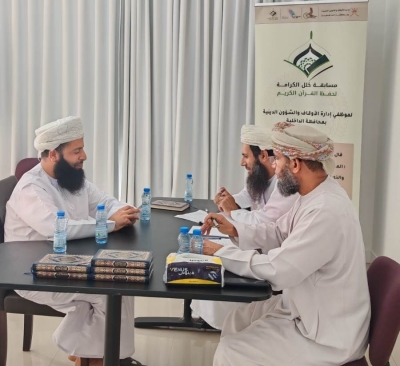
The Hulal Al-Karama Quran competition recently concluded under the auspices of the Administration of Endowments and Religious Affairs in Al Dakhiliyah Governorate, with staff members competing across five memorization levels. The event, open to male and female employees of the administration, drew strong participation and concluded with awards for top performers in each category.
Officials said the internal contest aimed to promote Quran memorization and excellence in recitation among staff, and that judging standards were rigorous to ensure objective evaluation. The five levels ranged from five to twenty-five parts of the Quran, giving employees at different stages of memorization an opportunity to compete.
Hulal Al-Karama Quran competition results
Competition results were announced following final assessments by qualified judges. According to official statements, the winners and their reported scores in each level were as follows: Aisha bint Mohammed bin Abdullah Al-Nabhani secured first place in the 25-part level with a reported score of 99.5 percent; Abdullah bin Salem bin Sulaiman Al-Amri topped the 20-part level with 100 percent.
Further winners included Zakiya bint Salem bin Hamoud Al-Riyami in the 15-part category with a reported 100 percent score, Nasra bint Ali bin Mohammed Al-Busaidi in the 10-part level at 100 percent, and Ola bint Saif bin Hamad Al-Amri who achieved first place in the five-part level with a reported 100 percent. Officials emphasized that scores reflect both memorization accuracy and recitation quality as assessed by the judging panels.
Competition structure and objectives: promoting Quran memorization
The contest structure was deliberately tiered to accommodate differing levels of memorization, from participants beginning with five parts to advanced memorization of 25 parts. Therefore, the format encouraged wider staff engagement and sustainable progress in Quran memorization across the administration.
Organizers said the initiative is part of a broader effort by the religious affairs administration to embed Quranic knowledge and ethical conduct within the workplace. Meanwhile, judges applied precise criteria for assessment, focusing on memorization accuracy, tajweed (recitation rules), and overall presentation, which contributed to the high marks reported for several participants.
Alignment with Oman Vision 2040 and organizational goals
Senior officials, including Saeed bin Ghalib Al-Naamani, director of the Administration of Endowments and Religious Affairs in Al Dakhiliyah Governorate, described the competition as complementary to Oman Vision 2040 objectives. He said the initiative supports the “Human and Society” pillar by investing in the spiritual and moral development of public-sector employees, which in turn can enhance public service delivery.
According to official comments, nurturing a workforce that values religious knowledge and ethical responsibility can strengthen professional integrity and improve organizational performance. Furthermore, the administration framed the contest as a way to recognize staff contributions while reinforcing the cultural and religious values that underpin public-sector work in the governorate.
Organizational impact and broader implications
Officials noted several practical outcomes from the competition: increased staff engagement, improved familiarity with Quranic texts, and enhanced morale among employees who participated. Additionally, organizers highlighted that fostering Quran memorization within the workforce may indirectly influence the quality of community-facing services by promoting discipline, patience, and ethical conduct among staff.
The internal initiative also serves as a model for other government units and religious affairs branches considering similar programs. Furthermore, the high level of participation and the reported excellence of recitation suggest growing interest in structured Quran memorization programs within public institutions.
Next steps and what to watch for
Organizers indicated plans to maintain the competition as an ongoing annual or periodic activity to sustain momentum in Quran memorization and recitation among employees. Therefore, stakeholders should watch for announcements regarding the next edition, potential expansions of the program, and any collaborative efforts with other governorates or national religious bodies.
Going forward, the administration may consider additional support measures such as regular recitation workshops, mentorship pairings for less experienced memorizers, and formal recognition schemes to integrate Quran memorization achievements into professional development frameworks.
Conclusion
The Hulal Al-Karama Quran competition concluded with notable participation and high reported performance across all levels, reinforcing the administration’s commitment to Quran memorization and religious education within the workplace. As officials plan future editions, observers should look for continued alignment with Oman Vision 2040 goals and expanded initiatives that promote Quran memorization, ethical workplace culture, and improved service quality in the public sector.