






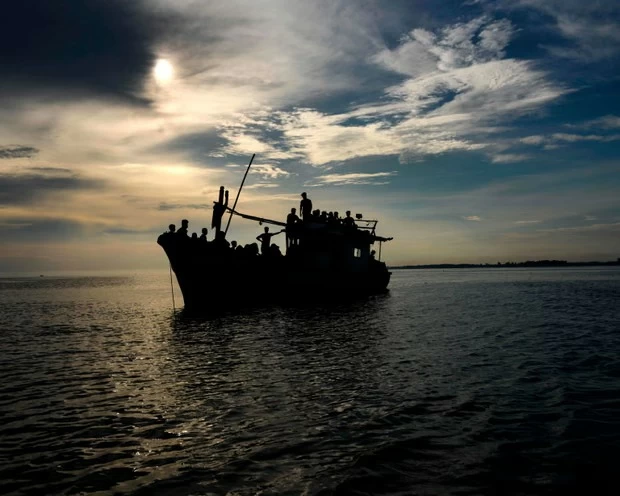

Rohingya boat sinking sparks fears of hundreds dead off Myanmar coast
United Nations agencies expressed deep concern that a Rohingya boat sinking may have claimed more than 500 lives after reports that two boats carrying refugees disappeared off Myanmar’s coast since late June. The International Organization for Migration (IOM) and the UN Refugee Agency (UNHCR) issued a joint statement saying preliminary information points to two overcrowded vessels departing Rakhine State, with passengers mainly from the Rohingya minority.
The two vessels reportedly left during late June amid hazardous seasonal weather and heavy rains. According to the agencies, contact was lost with one boat shortly after departure and the second is believed to have capsized near Ayeyarwady on July 8, raising fears of a major maritime tragedy in the Andaman Sea and Gulf of Bengal approaches.
Details of the incident and reported casualties
Initial reports indicate the first boat carried about 250 people and communications were cut off soon after it left the coast, while a second vessel, carrying roughly 280 people, is thought to have sunk. However, IOM and UNHCR stressed these figures and casualty estimates have not been independently confirmed by national authorities.
Furthermore, the agencies warned that if verified, the incident would substantially increase the number of people missing or dead at sea in the Andaman Sea and Bay of Bengal so far this year, pushing the regional toll to around 800 after earlier reports of about 300 deaths or disappearances since the start of the year.
Why refugees risk dangerous crossings in the Andaman Sea
Thousands of Rohingya undertake perilous journeys on ill-equipped refugee boats each year, seeking safety or better living conditions. The joint statement attributed the departures to ongoing armed conflict and deteriorating humanitarian conditions inside Myanmar, limited aid in refugee settlements in Bangladesh, and the exploitation of desperate populations by smuggling and trafficking networks.
According to UNHCR statistics cited by the agencies, last year alone roughly 900 people were recorded missing or dead at sea among more than 6,500 refugees who attempted crossings across the northern Indian Ocean. Therefore, the pattern of hazardous voyages persists despite repeated international appeals for protection and lawful pathways.
Calls for stepped-up search, rescue and protection measures
IOM and UNHCR urged coastal states and regional partners to intensify search-and-rescue operations and to ensure that those rescued are provided with protection and access to asylum procedures. They also called for stronger measures to dismantle and prosecute human smuggling and trafficking networks that profit from the vulnerabilities of displaced populations.
Meanwhile, the agencies praised Bangladesh for hosting more than a million Rohingya refugees in Cox’s Bazar but emphasized that sustained international support is necessary to assist both refugees and host communities. Humanitarian responders warned that constrained aid, limited livelihood options, and seasonal monsoon hazards increase the likelihood that refugees will attempt dangerous sea routes.
Regional implications and humanitarian context
The reported Rohingya boat sinking highlights broader regional challenges in managing irregular maritime movements and protecting refugees in transit. Countries bordering the Andaman Sea and the Bay of Bengal face recurring search-and-rescue burdens and complicated legal responsibilities under international maritime and refugee law.
Furthermore, the incident underscores the chronic humanitarian crisis affecting Rohingya populations displaced by conflict and persecution. International agencies note that long-term solutions require addressing root causes of displacement, improving safety in refugee camps, and expanding legal avenues for protection and resettlement.
What investigators and responders are doing
UN agencies and non-governmental partners said they were seeking to corroborate reports with local authorities and maritime agencies while coordinating contingency plans for potential survivors and families of the missing. Governments in the region have been asked to share information and to deploy assets for targeted search efforts where feasible.
At the same time, humanitarian groups are preparing to scale up psychosocial support, emergency aid, and family-tracing services should survivors be located or if debris and victims are recovered in the coming days.
Outlook: what to watch next
Readers should expect follow-up statements from IOM, UNHCR and national authorities as verification efforts proceed; official casualty counts may change as investigations continue. International donors and humanitarian organizations are likely to reassess emergency funding needs for rescue operations and refugee assistance in the short term.
In the medium term, policymakers in affected countries and regional forums such as ASEAN and the Indian Ocean partners may face renewed pressure to enhance maritime coordination, strengthen anti-smuggling enforcement, and invest in long-term responses to the humanitarian crisis that drives people to risk sea travel.
In conclusion, the alleged Rohingya boat sinking off Myanmar’s coast, if confirmed, would be one of the deadliest maritime disasters in the region this year. Authorities and aid agencies are expected to issue further details in coming days, and observers should monitor official updates, search-and-rescue outcomes, and any international commitments to bolster protection and support for displaced Rohingya communities.