




Gulf University College of Medicine year-end ceremony highlights
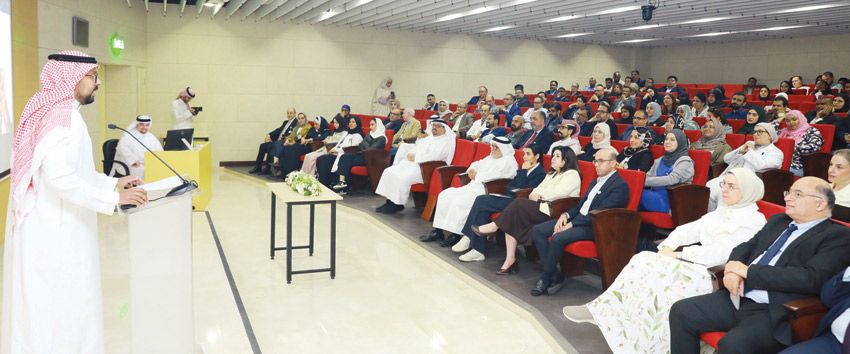
The College of Medicine and Health Sciences at Gulf University held its year-end ceremony for the academic year 2025–2026 to review accomplishments and chart priorities. The Gulf University College of Medicine year-end ceremony brought together faculty, students and administrative staff on campus to present outcomes in education, research and community engagement, according to college officials. The event took place at the university’s main auditorium and focused on quality improvement and institutional performance.
Academic and research achievements
During the ceremony, Dean Professor Mohammed Maddin summarized key academic milestones achieved during the year and underscored advances in medical education and research output. The college reported progress in curriculum development, the introduction of updated clinical training modules, and measurable steps toward formal accreditation pathways, officials said. Furthermore, faculty and student participation in regional and international conferences was highlighted as evidence of growing research visibility and scholarly collaboration.
In addition, the college emphasized improvements in learning assessment and outcome measurement as part of a sustained effort to enhance graduate competencies. Therefore, the institution invested in faculty development workshops and adopted new assessment tools to support competency-based education. These initiatives align with broader trends in medical education that prioritize practical skills, interprofessional learning and evidence-based teaching methods.
Student involvement and extracurricular accomplishments
Students’ academic and extracurricular contributions received prominent attention at the ceremony, reflecting the college’s priority on holistic training. Student teams presented summaries of research projects, community health initiatives and student-led workshops that addressed public health challenges. Meanwhile, student organizations reported increased membership and higher rates of volunteer participation in outreach programs.
Additionally, several student research abstracts were accepted for presentation at national and regional scientific meetings, according to faculty advisors. This level of participation supports the college’s objective to integrate research opportunities into the undergraduate and postgraduate experience and to build a research culture among trainees.
Community outreach, partnerships and social responsibility
The ceremony also showcased community outreach and volunteer activities that linked clinical training with societal needs, reinforcing the college’s social responsibility goals. Outreach included health screening campaigns, public health awareness seminars and partnerships with local clinics to extend primary care services, university spokespeople said. Such initiatives served both educational objectives and direct community benefit.
Furthermore, the college reported expansion of strategic partnerships with regional hospitals and specialty centers to strengthen clinical placements and research collaborations. Therefore, these agreements are expected to enrich clinical exposure for students and create joint training opportunities that support workforce development in the health sector.
Awards, recognition and leadership transition
As part of the closing programme, the college recognized a number of academic and administrative staff for sustained contributions to teaching, research and student mentoring. Awards were presented to members who played active roles in curriculum reform, quality assurance and student support services. These recognitions intend to reinforce institutional values of excellence and collegial contribution.
The ceremony also honored the immediate past dean, Professor Abdelhalim Daifallah, in appreciation of his leadership during his tenure. Officials said the tribute acknowledged strategic initiatives launched under his leadership that contributed to the college’s development. At the same time, the current dean reiterated the need for continuity in implementation of long-term academic goals and quality frameworks.
Quality assurance and accreditation progress
Quality assurance and accreditation were recurring themes throughout the event as the college advances in formal evaluation processes. Delegates reviewed milestones in documentation, program mapping and stakeholder engagement necessary for national and regional accreditation reviews. According to administrative reports, these efforts aim to benchmark the college against recognized standards in medical education and to strengthen external validation of program outcomes.
Consequently, the college has prioritized targeted improvements in clinical supervision, assessment validity and faculty qualification pathways to meet accreditation criteria. These measures are designed to improve the reliability of graduates’ clinical readiness and to support continuous institutional improvement.
Implications for the regional health education landscape
The activity and outcomes presented at the Gulf University College of Medicine year-end ceremony signal an institutional commitment to strengthening health education in the region. By aligning curriculum updates, research engagement and community partnerships, the college aims to contribute to workforce preparedness and health system responsiveness. Observers noted that such alignment may support regional efforts to address chronic disease, primary care shortages and health promotion.
Furthermore, the college’s emphasis on student engagement and research dissemination may enhance its role as a knowledge hub that supports clinical innovation and evidence-informed practice. Therefore, the cumulative effect of these initiatives is likely to increase the college’s influence within regional academic networks and clinical training consortia.
Conclusion and next steps
The year-end ceremony concluded with a set of forward-looking priorities that include completion of accreditation milestones, expansion of clinical partnerships and scaling up community outreach activities. The Gulf University College of Medicine year-end ceremony organizers said the next academic year will focus on consolidating gains, implementing new assessment systems and launching additional faculty development programmes. Readers should watch for formal accreditation timelines and announcements of new collaborative agreements in the coming months.