






Top Home Decor Ideas for a Modern Lifestyle in 2026 focus on practical beauty: versatile furniture, sustainable materials, and integrated technology that makes everyday living simpler and more joyful. Expect clean lines softened by tactile fabrics, indoor greenery, multifunctional zones for work and rest, and discreet smart systems that prioritize privacy and energy efficiency.
These home decor ideas prioritize longevity and local sourcing—mixing Scandinavian minimalism, Japandi warmth, and global artisan touches. Whether you’re updating a studio in Chicago or renovating a flat in Barcelona, the trends below are actionable and adaptable to cities, climates, and budgets.
Quick Answer
Top Home Decor Ideas for a Modern Lifestyle in 2026: choose flexible, modular furniture; prioritize sustainable materials like reclaimed wood and low-VOC finishes; add biophilic elements (plants, natural light); integrate unobtrusive smart home tech; and source locally when possible to reduce carbon footprint and support artisans.
Key Takeaways
- Embrace multifunctional furniture to maximize small urban spaces.
- Use sustainable materials and breathable finishes for health and durability.
- Layer texture and warm neutrals for a modern yet inviting look.
- Integrate smart tech discreetly—focus on energy savings and privacy.
- Shop locally or at design fairs to discover unique, region-specific pieces.
Design Principles for a Modern Lifestyle in 2026
Function-first minimalism
Minimalism remains, but in 2026 it’s functional: every item earns its place. Choose storage-forward designs—concealed cabinetry, built-in benches with lift-up storage, and wall niches—to keep surfaces calm without feeling cold.
Biophilic and wellbeing-focused design
Bring nature inside with houseplants, larger windows where possible, air-cleaning textiles, and natural light. Use planters, living walls, or a small herb garden in the kitchen to improve air quality and mood.
Longevity and circular design
Buy pieces built to last or that can be repaired. Look for modular sofas with replaceable covers, furniture made from reclaimed timber, and brands that offer take-back programs to close the loop.
Integrated technology
Tech blends into the background: wireless charging in furniture, app-controlled lighting scenes, and smart thermostats that reduce energy use while maintaining comfort. Prioritize devices with local control and clear privacy policies.
Practical Room-by-Room Ideas
Living room
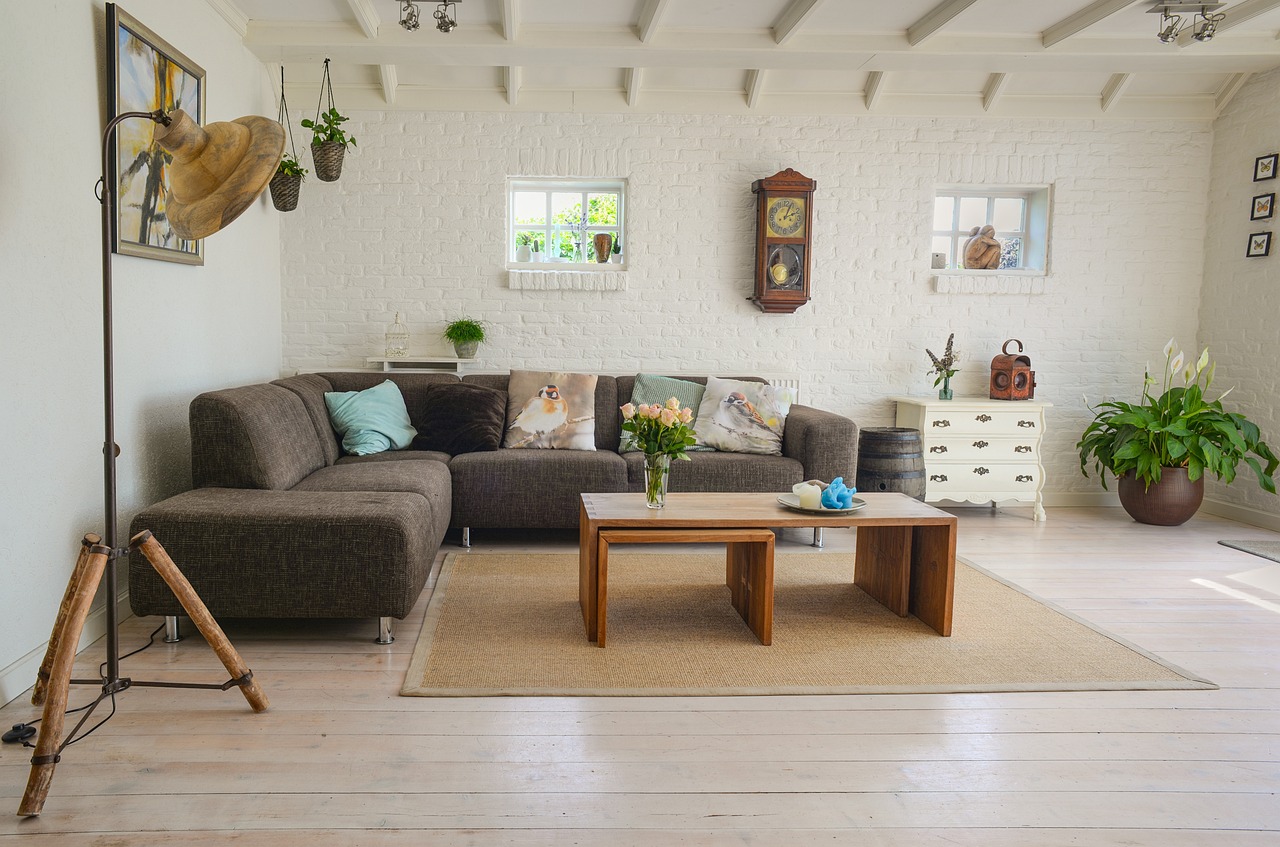
Choose a modular sofa to reconfigure for guests or family movie nights. Anchor the room with a textured rug and table surfaces at varied heights to create a layered, lived-in feel. Add task lighting for reading and dimmable ambient lights for evenings.
Bedroom
Invest in a daylight-mimicking bedside lamp and breathable bedding. Built-in wardrobes with smart organizers save floor space. Keep a neutral palette with one color accent to promote calm.
Kitchen
Prioritize durable surfaces like engineered stone or sealed wood for prep areas. Open shelving shows off ceramics and reduces the need for upper cabinets—combine with concealed appliance storage to keep clutter out of sight.
Home office
Designate a compact zone that can close off visually when not in use: a fold-down desk, a screen, or a tall bookcase that doubles as a room divider. Ergonomics matter—choose an adjustable chair and position screens to avoid glare.
Bathroom
Use matte fixtures, heated towel rails, and moisture-resistant cabinetry. Consider a pocket door to save space and include niches in showers to eliminate plastic caddies.
Materials, Colors, and Textures for 2026
Warm neutrals—sand, clay, muted greens—dominate, paired with natural textures: woven jute, raw linen, matte ceramics, and brushed metal. Reclaimed wood and low-VOC paints are practical and eco-friendly choices.
Textile choices
Choose performance fabrics for high-use sofas, especially if pets or children are in the home. Natural fibers like linen and cotton are breathable; look for OEKO-TEX or similar certifications when possible.
Furniture and Layout Strategies
Scale is crucial: oversized furniture can overwhelm small flats common in cities like New York or Tokyo. Opt for pieces with legs to keep sightlines open and make rooms appear larger.
Multifunctional furniture examples
- Daybeds that work as sofa and guest bed.
- Dining tables with leaves for variable hosting needs.
- Ottomans with internal storage and removable trays to serve as coffee tables.
Mistakes to avoid
Don’t buy furniture without measuring doorways and elevators—shipping back large pieces can be costly. Avoid trends that are difficult to repair or reupholster; choose classic silhouettes that can evolve with changing decor.
Smart Home Tech That Enhances Design
Smart devices should be invisible enhancers. Install recessed lighting tracks, motorized blinds hidden in valances, and under-cabinet lighting for kitchens. Use centralized hubs to reduce multiple apps and choose products with local control options for privacy.
Energy and comfort
Smart thermostats, zoned heating, and low-energy LED lighting improve comfort and cut bills. When traveling or moving between homes, systems that allow temporary access for property managers are useful—check security and data policies first.
Sourcing Locally and When Traveling
Buying locally supports artisans and reduces shipping emissions. Cities with strong design scenes—Copenhagen, Milan, London, Mexico City, and Los Angeles—offer showrooms and markets where you can find unique pieces.
If you plan to buy furniture while traveling, measure your space and photograph layouts first. Confirm shipping options and customs implications for large items when returning home. For small decor, use professional packing services at airports like JFK, LAX, or Heathrow if bringing fragile items back by air.
Design fairs (for example, Salone del Mobile and Maison&Objet) are excellent places to discover new brands; check event websites for dates and book showroom appointments in advance. Always confirm import rules and shipping estimates with your carrier before purchase.
Best Tips for Planning Your Trip
Plan visits to showrooms and local markets by contacting vendors ahead to reserve time. Create a list of must-see stores and prioritize by availability of shipping or white-glove delivery services.
- Measure your doorways, stairwells, and elevator dimensions before you leave.
- Carry a foldable tape measure and a small sample kit (fabric swatches, paint chips) to compare on site.
- Ask vendors about lead times and return policies—custom pieces can take months to arrive.
- Use local logistics providers for large items and confirm insurance for transit.
Who Is This Best For?
These home decor ideas suit busy professionals, families seeking durable choices, and design-conscious renters who need flexible, repairable pieces. They’re also ideal for anyone who wants a contemporary home with an emphasis on wellness and sustainability.
Conclusion
Top Home Decor Ideas for a Modern Lifestyle in 2026 blend practicality, sustainability, and quiet luxury. Focus on adaptable furniture, natural materials, and discreet technology to create a home that looks intentional and feels comfortable. Local sourcing and thoughtful planning—especially when shopping while traveling—keep projects realistic and uniquely personal.
Frequently Asked Questions
What defines modern home decor in 2026?
Modern home decor in 2026 emphasizes multifunctional furniture, sustainable materials, and integrated technology that stays visually subtle. The look balances minimalism with warm textures and plants to promote wellbeing.
How can I make a small apartment feel modern and spacious?
Use modular furniture, light-reflecting surfaces, and legged furniture to open sightlines. Keep color palettes light and add mirrors or glass to enhance perceived space.
Are sustainable materials more expensive?
Sustainable materials can cost more upfront, but they often last longer and reduce replacement costs. Look for certified reclaimed wood and local artisans to balance price and sustainability.
Can smart home tech damage the aesthetic of a well-designed room?
Not if it’s integrated thoughtfully: choose devices that hide behind panels, use recessed lighting, and select hubs with minimalist design. Prioritize local control and privacy-focused products.
Should I buy furniture locally or order online?
Buy locally for custom or high-investment pieces to inspect quality and reduce shipping headaches. Online shopping is convenient for standardized items and when reliable return policies and reviews exist.
How do I bring home decor items when traveling internationally?
Measure before you buy, ask vendors about shipping, and confirm customs or import duties for large purchases. For fragile items, use professional packing and insured shipping services.
Which colors and textures are trending for 2026?
Warm neutrals, muted greens, and earth tones paired with tactile textures—raw linen, matte ceramics, and woven rugs—are trending. These choices create a timeless, calming palette.