






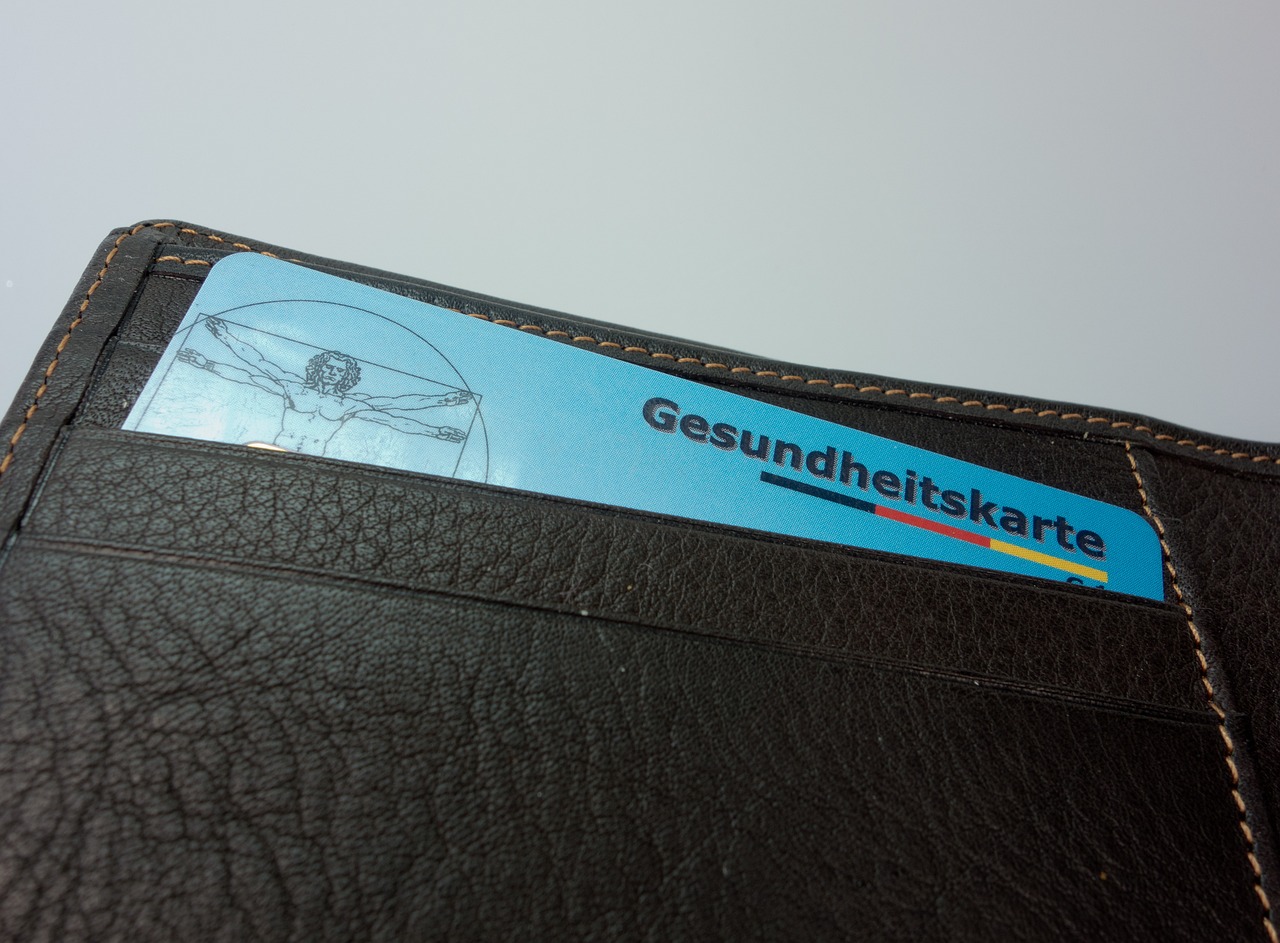

What Is Health Insurance and Why Is It Important? Put simply, health insurance is a contract that helps cover medical costs when you get sick or injured. It pays for a portion of doctor visits, hospital stays, prescriptions, and emergency care, so you don’t face large out-of-pocket bills when healthcare is needed.
For travelers and everyday residents alike, health insurance matters because medical expenses can derail a trip or a household budget. Whether you’re flying into John F. Kennedy for a business meeting, backpacking through Southeast Asia, or staying at a hotel in Paris, having the right medical coverage protects you and gives you practical options when problems arise.
Quick Answer
Health insurance is financial protection for medical care that reduces out-of-pocket costs and provides access to healthcare providers. It’s important because it covers routine care, emergency treatment, and, for travelers, unexpected medical events abroad — reducing financial risk and helping you get timely medical assistance.
Key Takeaways
- Health insurance offsets medical costs and often provides access to provider networks and negotiated rates.
- Coverage types vary: domestic health plans, travel medical insurance, and international health insurance serve different needs.
- Travelers must check whether domestic plans cover care abroad and whether additional travel insurance is needed for evacuation or repatriation.
- Always verify policy details, declare pre-existing conditions, and carry proof of coverage when traveling.
What Is Health Insurance and Why Is It Important for Travelers?
The main purpose of health insurance is to spread the financial risk of healthcare across many people. Instead of paying the full cost for a hospital stay or surgery, policyholders pay premiums and share expenses through deductibles and copayments. That structure prevents a single medical incident from becoming a financial disaster.
When you travel, the importance of health insurance increases. Many domestic policies limit coverage outside your home country, and hospitals in major cities and tourist hubs — from Bangkok’s private clinics to private hospitals near Dubai International Airport — may require upfront payment. Travel or international health coverage fills gaps and provides emergency assistance abroad.
Types of Health Insurance: A Practical Comparison
| Type | Typical Use | Common Benefits |
|---|---|---|
| Domestic health insurance | Residents seeking routine and emergency care at home | Primary care, specialists, hospitalization, prescription drugs (may exclude foreign care) |
| Travel medical insurance | Short trips, vacations, business travel | Emergency medical care abroad, medical evacuation, short-term coverage |
| International health insurance | Expatriates and long-term travelers | Comprehensive worldwide coverage, routine and emergency care abroad |
How Health Insurance Works: Key Terms to Know
Premiums
The premium is what you pay regularly to keep the policy active. It varies by plan, age, location, and level of coverage.
Deductible and Out-of-Pocket Costs
The deductible is the amount you pay before insurance contributes. Out-of-pocket maximums cap your yearly spending on covered services.
Networks and Providers
Many plans use networks of doctors and hospitals to control costs. Out-of-network care often costs more, so check whether your destination has preferred providers.
Traveler-Focused Examples and Practical Advice
If you fall ill while staying at a hotel in Rome or at a guesthouse near Bali’s beaches, consider these steps:
- Call your insurer’s emergency assistance number for guidance and pre-authorization.
- Ask the hospital about billing procedures; some facilities will treat you only after a guarantee of payment.
- Keep digital and printed copies of your insurance card, policy number, and emergency contact details.
Emergency Evacuation and Repatriation
For remote destinations—mountain trekking in Nepal or exploring Patagonia—medical evacuation coverage is essential. Evacuation can be extremely expensive, and travel insurance that includes evacuation protects you from those costs. If you’ll be in remote areas, select a policy that explicitly includes medevac.
Common Mistakes Travelers Make
- Assuming domestic coverage follows you abroad without checking your policy.
- Buying the cheapest travel policy without confirming emergency evacuation or hospitalization limits.
- Not declaring pre-existing conditions, which can invalidate claims.
- Failing to get referrals or pre-approval when required by the insurer.
When to Buy Travel Medical Insurance
Buy travel medical insurance as soon as you book nonrefundable travel arrangements. Some benefits, like cancellation protection tied to medical emergencies, may only apply if coverage is in place before an illness or event arises. For multi-month moves or long-term stays, international health insurance is usually purchased prior to departure.
Best Tips for Planning Your Trip
- Check your domestic policy for international coverage and read exclusions carefully.
- Choose a travel policy that covers emergency evacuation if you’ll visit remote regions or islands with limited hospital access.
- Look for insurers with 24/7 emergency assistance and claims support in your language.
- Carry proof of insurance and emergency contact numbers in both paper and digital form; add them to your phone and cloud storage.
- Research reliable hospitals near major arrival points—airports like Heathrow, JFK, Suvarnabhumi, and Changi have private hospitals or clinics nearby.
- If a visa or entry requirement mandates insurance, confirm what documentation is accepted by the embassy or consulate.
Is It Worth It? Who Is This Best For?
Yes—health insurance is generally worth it for most travelers. It’s especially valuable for older travelers, families, travelers with pre-existing conditions who need coverage adjustments, and people visiting remote destinations. Even young, healthy travelers benefit because accidents and acute illnesses are unpredictable.
This coverage is best for anyone who wants financial protection and rapid access to medical care. Business travelers, digital nomads, and expatriates should compare short-term travel policies with longer-term international health plans to match their trip length and healthcare needs.
How to Choose a Policy: Practical Checklist
- Verify emergency evacuation and hospital admission coverage.
- Confirm if pre-existing conditions are covered or if a waiver is available.
- Check provider networks at your destination or whether direct billing is available.
- Compare claim processes, documentation requirements, and average claim turnaround time.
- Read customer reviews focused on claims experiences for destinations similar to yours.
Conclusion
What Is Health Insurance and Why Is It Important? Health insurance is essential protection against the financial and logistical shocks of medical problems at home and abroad. For travelers, the right blend of domestic coverage, travel medical insurance, or international health insurance reduces risk, ensures timely care, and keeps your trip on track. Before you book, check policies carefully, carry proof of coverage, and choose a plan that matches your destination, activities, and budget.
Frequently Asked Questions
Will my domestic health insurance cover medical care abroad?
Short answer: Sometimes, but often partially. Many domestic plans limit or exclude foreign coverage; always check policy terms and ask your insurer about out-of-country claims and direct-billing arrangements.
Do I need separate travel insurance if I have a comprehensive health plan at home?
Short answer: Often yes for travel-specific risks. Travel insurance adds emergency evacuation, repatriation, and quick financial support for emergencies abroad that domestic plans may not provide.
Does travel insurance cover adventure activities like skiing or scuba diving?
Short answer: It depends on the policy. Some plans include specified adventure sports, while others require an activity add-on—always read exclusions and buy a policy that lists your planned activities.
How do medical evacuations work and are they covered?
Short answer: Evacuations transport you to an appropriate medical facility and are covered only if included in your plan. Confirm that evacuation and repatriation are part of your policy if you’ll be in remote areas or countries with limited care.
Can I buy travel medical insurance after I leave home?
Short answer: Often you can, but some benefits require purchase before departure. Buying coverage before you travel ensures protection for events that occur between booking and departure, including cancellations tied to medical reasons.
What should I carry when visiting a foreign hospital?
Short answer: Your insurance card, policy number, passport, and a short summary of your medical history. Also have emergency contact numbers and, if possible, the insurer’s local assistance line to help arrange direct billing or guidance.
How do I find recommended hospitals or clinics in a city like Paris, Bangkok, or New York?
Short answer: Check your insurer’s provider list and consult embassy travel advice or local expat forums. Many insurers publish preferred hospitals near major airports and tourist areas, and embassies maintain lists of recommended medical facilities.