






UAE Ministry of Interior participates in UNCOPS 2026 security session
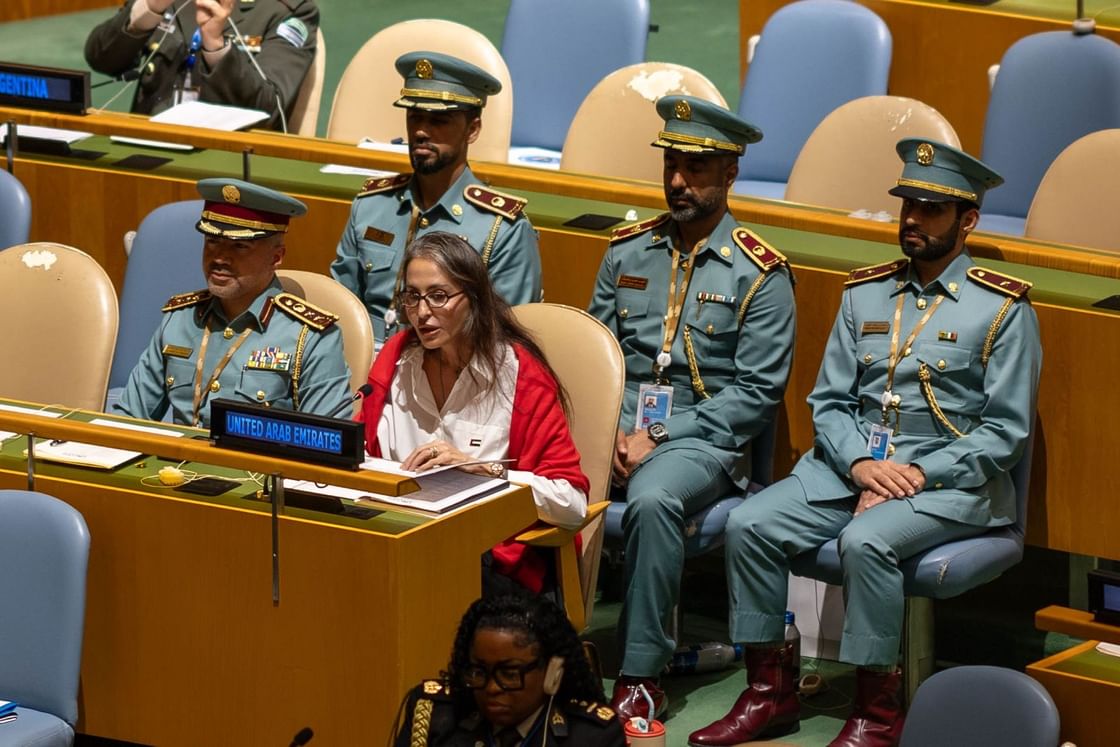
The UAE Ministry of Interior took part in the security session at the UNCOPS 2026 summit in New York, where officials outlined a forward-looking approach that places advanced technology and artificial intelligence at the center of government policing and public protection. The ministry said the strategy aims to protect local and global communities while expanding international partnerships to confront evolving threats.
During the session, the Ministry of Interior confirmed it will advance proactive projects to track perpetrators and protect victims, responding to the growing exploitation of digital technologies by transnational criminal networks. Officials also emphasized continued cooperation with United Nations police efforts to strengthen peacekeeping operations and post-conflict policing support.
UAE Ministry of Interior: strategic priorities and commitments
The Ministry of Interior framed its participation at UNCOPS 2026 around three strategic priorities: integrating emerging technologies into operational workflows, enhancing victim protection systems, and deepening international law enforcement partnerships. The ministry stated these priorities reflect the future-oriented vision of national leadership that believes technology must underpin modern governance and safety.
Officials described ongoing and planned initiatives designed to improve offender detection, victim assistance, and information sharing. Furthermore, the ministry affirmed continued technical and operational support to UN police missions, noting that shared tools and standards can improve interoperability and trust between peacekeepers and affected communities.
Technology and artificial intelligence in modern policing
The ministry’s presentation highlighted the role of artificial intelligence and data-driven tools in identifying criminal patterns, prioritizing cases, and allocating resources more effectively. According to the ministry, AI can help determine operational needs that are best addressed with automated tools while preserving human oversight where ethical and legal safeguards are required.
Furthermore, the ministry emphasized that technology adoption must be accompanied by clear governance frameworks to protect privacy, guard against bias, and maintain public confidence. These measures include transparent procurement, independent audits, and training for officers on responsible AI use, officials said. The approach aims to ensure that technological gains translate into tangible protection for vulnerable populations.
Addressing cross-border crime and supporting UN police
Speakers at the session underscored the link between rising digital integration and the expansion of cross-border crime. Criminal networks increasingly exploit encrypted communications, virtual marketplaces, and anonymized transactions, making traditional investigative techniques less effective, the ministry noted. Therefore, multinational cooperation and shared technological solutions were identified as essential.
The Ministry of Interior reiterated its commitment to support UN police and peacekeeping operations by deploying modern tools and expertise. Officials explained that technology can help build trust between peacekeepers and local communities by improving responsiveness, clarifying mandates, and ensuring evidence-based assessments of operational needs in post-conflict settings.
Capacity building, standards, and ethical safeguards
Alongside operational tools, the ministry called for investment in training, capacity building, and common standards so that domestic and international police forces can use technology consistently and responsibly. According to the ministry, harmonized procedures are crucial for cross-border investigations and for safeguarding human rights during enforcement actions.
Additionally, the UAE stressed the importance of ethical guidelines for artificial intelligence in policing. Officials suggested that clear accountability mechanisms, external oversight, and community engagement should accompany deployments to reduce risks of misuse and to maintain legitimacy in diverse contexts.
Global partnerships and implications for peacekeeping
UNCOPS 2026 provided a platform for the UAE and other participants to explore partnerships that combine resources, expertise, and technological innovation. The ministry indicated that such alliances can accelerate the development of tools tailored for peacekeeping environments, where constraints and sensitivities differ from domestic policing.
International collaboration was presented as a route to share best practices, distribute technical assistance, and establish interoperable systems that facilitate rapid responses to crises. Moreover, shared pilot projects can offer proof of concept before wider rollouts, minimizing disruption and enabling lessons learned to inform policy.
Looking ahead: implementation and monitoring
In closing remarks at the session, the Ministry of Interior reiterated that achieving sustainable peace requires coordinated international action, optimal use of modern technologies, and strengthened global partnerships. The ministry said it will continue implementing proactive programs to detect offenders, protect victims, and support UN policing efforts where technology can make a clear operational difference.
Readers should watch for follow-up announcements on specific pilot projects, capacity-building initiatives, and technical assistance packages that the UAE plans to deploy in collaboration with UN partners. Officials indicated that the next steps will include detailed operational assessments and timelines for integrating new tools into ongoing peacekeeping and post-conflict support missions.