






U.S.-Iran escalation prompts urgent regional diplomacy
As the U.S.-Iran escalation intensified on September 7, 2026, Gulf states and regional partners launched a flurry of diplomatic contacts to prevent further military conflict. Qatar’s prime minister and foreign minister, Sheikh Mohammed bin Abdulrahman Al Thani, led calls with counterparts in Saudi Arabia, Oman, the UAE, Turkey and Iran, according to the Qatari Foreign Ministry.
Officials said the talks focused on de-escalation, adherence to a June memorandum of understanding, and the protection of commercial shipping in the Strait of Hormuz. The diplomatic outreach aimed to stabilize the immediate security environment and preserve regional energy flows.
Qatar coordinates talks as mediator
Qatar reiterated its support for dialogue and the implementation of the memorandum of understanding, the ministry stated. Sheikh Mohammed bin Abdulrahman emphasized rejection of attacks on commercial vessels in the Strait of Hormuz and warned such incidents undercut confidence and threaten international navigation.
Therefore, Qatar urged all parties to abide by diplomatic channels and to honor commitments reached under the June agreement. Additionally, Doha said it backs efforts to contain the U.S.-Iran escalation and to seek a comprehensive accord that reinforces regional security and sustainable peace.
High-level calls underline Gulf diplomacy
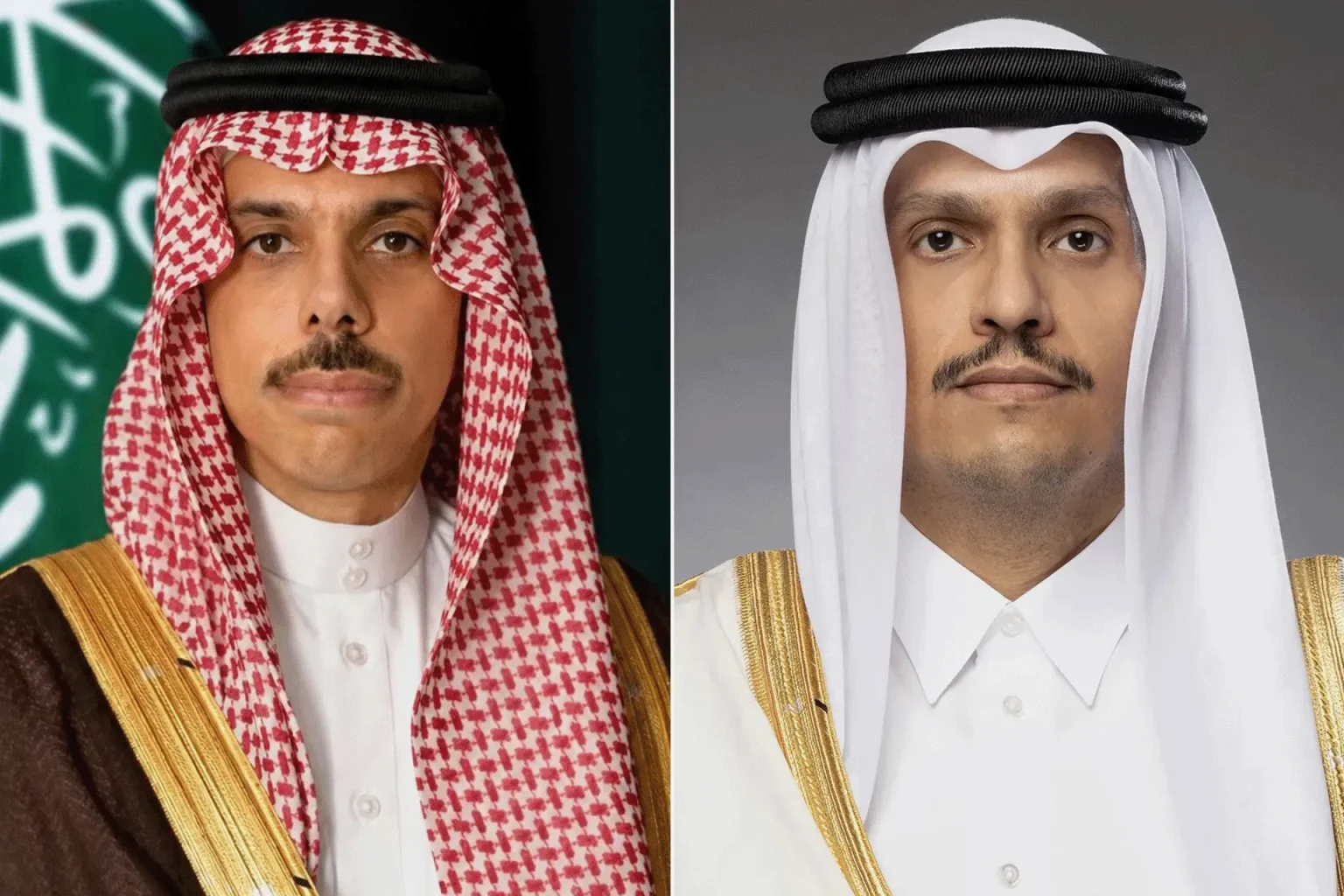
Over recent hours, Doha reported calls between Sheikh Mohammed bin Abdulrahman and Saudi Foreign Minister Prince Faisal bin Farhan, Omani Foreign Minister Badr al-Busaidi, and UAE Foreign Minister Abdullah bin Zayed Al Nahyan. Iran’s deputy foreign minister Abbas Araghchi and Turkish Foreign Minister Hakan Fidan also spoke with the Qatari official, the ministry added.
These exchanges reflect intensified Gulf diplomacy aimed at coordination and message alignment on halting military escalation and safeguarding maritime commerce. Furthermore, Omani and Turkish participation signaled broader regional involvement in managing the crisis.
Multilateral contacts and shared priorities
Iranian officials, meanwhile, engaged separately with Pakistan’s military leadership and regional foreign ministers. Tehran’s foreign ministry said Abbas Araghchi spoke to General Asim Munir of Pakistan and held discussions with Oman’s and Turkey’s foreign ministers to press for diplomatic responses and to condemn what Iran described as aggressive U.S. actions.
According to the Iranian statement, Tehran viewed certain U.S. strikes as violations of the June memorandum and warned against any further American military moves. The comment underscores the risk that miscalculation could expand the U.S.-Iran escalation beyond the immediate area.
Strait of Hormuz incidents raise commercial and security concerns
Regional governments condemned attacks that struck two commercial tankers, identified as Saudi and Qatari vessels, in the Strait of Hormuz. Authorities described the strikes as a threat to freedom of navigation and to global energy supplies, prompting urgent calls for protective measures and investigation.
Maritime security experts said repeated incidents in the Strait could raise insurance costs, disrupt shipping routes, and spur foreign naval presence, thereby complicating de-escalation efforts. Consequently, Gulf diplomacy has prioritized mechanisms to ensure safe passage and to reduce the chance of further confrontations at sea.
Timeline and political context of the memorandum
Diplomats remind observers that Washington and Tehran signed a memorandum of understanding in June 2026 after mediated talks involving Pakistan and Qatar. The agreement aimed to cap hostile actions and establish communication channels to avoid direct military confrontation, officials said.
However, high-level statements in recent days suggested divergent interpretations of compliance. U.S. leaders indicated the memorandum was no longer operative, while Iranian officials framed subsequent U.S. strikes as breaches. These competing narratives have fueled the latest phase of the U.S.-Iran escalation.
Why adherence matters
Analysts note that honoring the memorandum would reduce incentives for retaliatory attacks and create space for political negotiations. In contrast, perceived noncompliance increases the risk of tit-for-tat strikes, drawing in regional partners and external powers.
Gulf diplomacy, therefore, aims both to enforce the spirit of the June accord and to open channels for renewed negotiation that address maritime security and regional stability in a legally grounded manner.
Regional reactions and military exchanges
For a second consecutive day, U.S. forces conducted strikes on Iranian targets, reported officials, and Iran responded by targeting installations it identified in Kuwait and Bahrain. Gulf states condemned attacks on commercial shipping and encouraged restraint while urging respect for international law.
These military exchanges have elevated tensions across the Gulf, prompting immediate diplomatic outreach from Gulf states to prevent escalation and to keep trade and energy flows uninterrupted. International stakeholders warned that further military action could have cascading economic and humanitarian consequences.
Outlook and what to watch next
Diplomatic channels are expected to remain active in the coming days, with Gulf governments pushing Qatar’s mediation and calls for renewed, enforceable mechanisms to prevent future incidents in the Strait of Hormuz. Observers should watch whether the United States and Iran resume direct or mediated talks to clarify the status of the June memorandum.
Additionally, monitor naval deployments, statements from Gulf Cooperation Council members, and any independent investigations into attacks on commercial vessels. These developments will indicate whether Gulf diplomacy can temper the U.S.-Iran escalation or whether further international involvement will be required.