








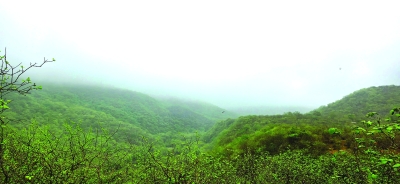

The Dhofar Khareef 2026 season entered its second week with clear signs of an early, active phase as mist and steady light drizzle formed across coastal and highland areas of southern Oman. Local officials said valleys, slopes and mountain ridges around Salalah and nearby towns are already taking on a green mantle, attracting visitors and prompting increased monitoring by service and safety agencies.
Dhofar Khareef 2026: Early Signs and Where Conditions Are Changing
Who: residents, tourists and local authorities are observing the seasonal shift. What: persistent fog, light drizzle and cooling temperatures have begun to transform the landscape. When: the changes emerged within the first two weeks of the Khareef season. Where: the most pronounced effects appear in Dhofar province, including the Salalah hinterland, Taqah and Mirbat, and the western and eastern mountain chains.
Meanwhile, the onset has favored higher elevations and the immediate coastal escarpment, where low cloud layers now frequently touch mountain tops. Therefore, the initial pattern resembles a textbook khareef onset, with open plains expected to reach peak greening in the coming weeks as rainfall continues.
Climate and Weather Developments
Atmospheric conditions this early in the season have produced persistent marine layer clouds and drizzle rather than heavy downpours. According to local meteorological summaries and officials’ observations, the pattern so far indicates steady moisture advection from the Arabian Sea rather than isolated convective storms.
As a result, the well-known Salalah rainfall accumulations that typically peak mid-season have not yet appeared in full; however, the ongoing monsoon mist and drizzle are sufficient to maintain cooler daytime temperatures and saturated ground conditions. Additionally, lower temperatures and gentle breezes have made the highland environment notably pleasant, supporting vegetative recovery on slopes and in wadis.
Tourism Influx and Local Preparedness
Tour operators and local authorities reported a marked increase in visitor numbers from within Oman and across the Gulf region. The tourism influx is being driven by demand for the seasonal greenery and comfortable climate, with travelers seeking the scenic vistas, mist-covered hills and potential waterfalls that typically form later in the Khareef.
Transportation and public safety departments said they are coordinating to ensure smooth traffic flow on major land routes and at airports, while municipal services have stepped up waste management and visitor information services. Furthermore, accommodation providers and tour operators are adjusting capacity and itineraries to accommodate increased interest without compromising environmental protection efforts.
Environmental and Water Resource Implications
Vegetation recovery on mountain slopes and valley floors improves grazing and stabilizes soils, with ecological benefits for native flora and fauna. Therefore, agricultural stakeholders and rangeland managers are watching the development closely, as sustained moisture boosts pasture growth across open plains in the weeks ahead.
Hydrologically, the gradual, sustained drizzle and fog will help recharge shallow aquifers and contribute to spring flows, but officials caution that the most significant replenishment of downstream springs and streams usually occurs later in the season if heavier rain bands develop. In the meantime, water managers are monitoring recharge rates and advising prudent local use.
Public Safety, Transport and Visitor Guidance
Authorities are urging visitors to prepare for reduced visibility on coastal and mountain roads due to low cloud and fog. Meanwhile, service agencies have outlined contingency measures for peak days of visitation and potential localized flooding if convective episodes occur later in the season.
Tourists are advised to follow official trail guidance, respect restricted areas, and check for real-time travel advisories before undertaking mountain or wadi excursions. Furthermore, local emergency services said they have increased patrols in popular spots to assist visitors and maintain safe access to scenic overlooks.
Outlook: What to Watch Next
Forecast models and regional climate summaries suggest the Dhofar Khareef 2026 phase will likely strengthen toward mid-season, though the timing and intensity of heavier rainfall bands remain uncertain. Observers will watch for increased convective activity that typically produces the more robust rivers and waterfalls later in the khareef cycle.
Therefore, readers should monitor official weather updates and tourism notices over the next two to four weeks. The next expected step for the region is a potential intensification of rainfall episodes that would transform trickling streams into flowing waterfalls—an event that traditionally marks the heart of the Khareef and drives the largest tourism surges.
Conclusion and Next Steps for Visitors and Residents
The early developments of Dhofar Khareef 2026 have already reshaped landscapes and drawn visitors seeking temperate conditions and verdant scenery. In the coming weeks, continued drizzle and incoming rain bands will determine how quickly plains green fully and whether springs and waterfalls reach their seasonal peaks.
Readers should watch weather advisories, park notices and local authority guidance for updates on road conditions, water flows and visitor capacity limits. Furthermore, sustainable tourism measures and coordinated service responses will be essential to balance visitor demand with conservation priorities as the season progresses.