






Buying a holiday home in the Gulf region can mean sunlit beaches, year-round marinas, modern infrastructure and short flights from Europe and Asia. The best places to buy holiday homes in the Gulf Region combine easy airport access, established property markets, lifestyle amenities and clear rules for foreign buyers. This guide highlights top coastal cities and resort areas, practical comparisons, and planning advice so you can shortlist the right location.
Whether you want a lock-and-leave apartment on Dubai Marina, a waterfront villa on Saadiyat Island, a quieter beachfront home in Muscat, or a pied-à-terre in Doha, each Gulf market offers a distinct mix of climate, legal setup, rental potential and living costs. Read the quick answer below, then use the detailed sections and checklists to plan visits, due diligence and eventual purchase.
Quick Answer
The best places to buy holiday homes in the Gulf Region are Dubai (UAE), Abu Dhabi (UAE), Muscat and Al Mouj (Oman), Doha and The Pearl (Qatar), Bahrain (Manama and coastal developments), and select coastal cities in Saudi Arabia. Choose based on accessibility (major international airports), ownership rules, lifestyle (marinas, beaches, golf), rental demand, and long-term resale potential. Always confirm legal and tax details with local authorities or a qualified lawyer.
Key Takeaways
- Top Gulf hubs: Dubai and Abu Dhabi for infrastructure and international buyers; Muscat for calmer coastal living; Doha for premium developments; Bahrain for convenience and value; Saudi Arabia for emerging coastal projects.
- Check ownership status (freehold vs. leasehold), short-term rental regulations and homeowner association fees before committing.
- Prioritize proximity to major airports (DXB, AUH, MCT, DOH, BAH) and essential services for holiday rental appeal.
- Use licensed local real estate agents, inspect properties in person, and arrange professional legal and financial advice.
Top Gulf Destinations to Buy Holiday Homes
Dubai, United Arab Emirates
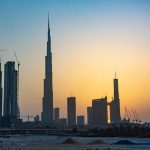
Dubai remains one of the most popular choices for holiday homes in the Gulf Region. Areas like Dubai Marina, Palm Jumeirah, Jumeirah Beach Residence and newer waterfront clusters offer high-quality resorts, marinas, restaurants and reliable short-term rental demand. Accessibility is excellent via Dubai International (DXB) and Dubai-based air connections to Europe, Asia and Africa make it an attractive second-home base.
Abu Dhabi, United Arab Emirates
Abu Dhabi offers quieter luxury compared with Dubai and strong cultural attractions such as Saadiyat Island and Yas Island. If you prefer spacious villas, quieter beaches and cultural venues alongside modern infrastructure, Abu Dhabi is a good option. Check current ownership and rental rules specific to each development.
Muscat and Al Mouj, Oman
Muscat delivers a more understated coastal lifestyle with authentic souks, scenic headlands and quieter beaches. Al Mouj (The Wave) is a master-planned waterfront community oriented to boating, golf and family living. Oman appeals to buyers seeking a relaxed holiday base with strong natural scenery and less frenetic development.
Doha and The Pearl, Qatar
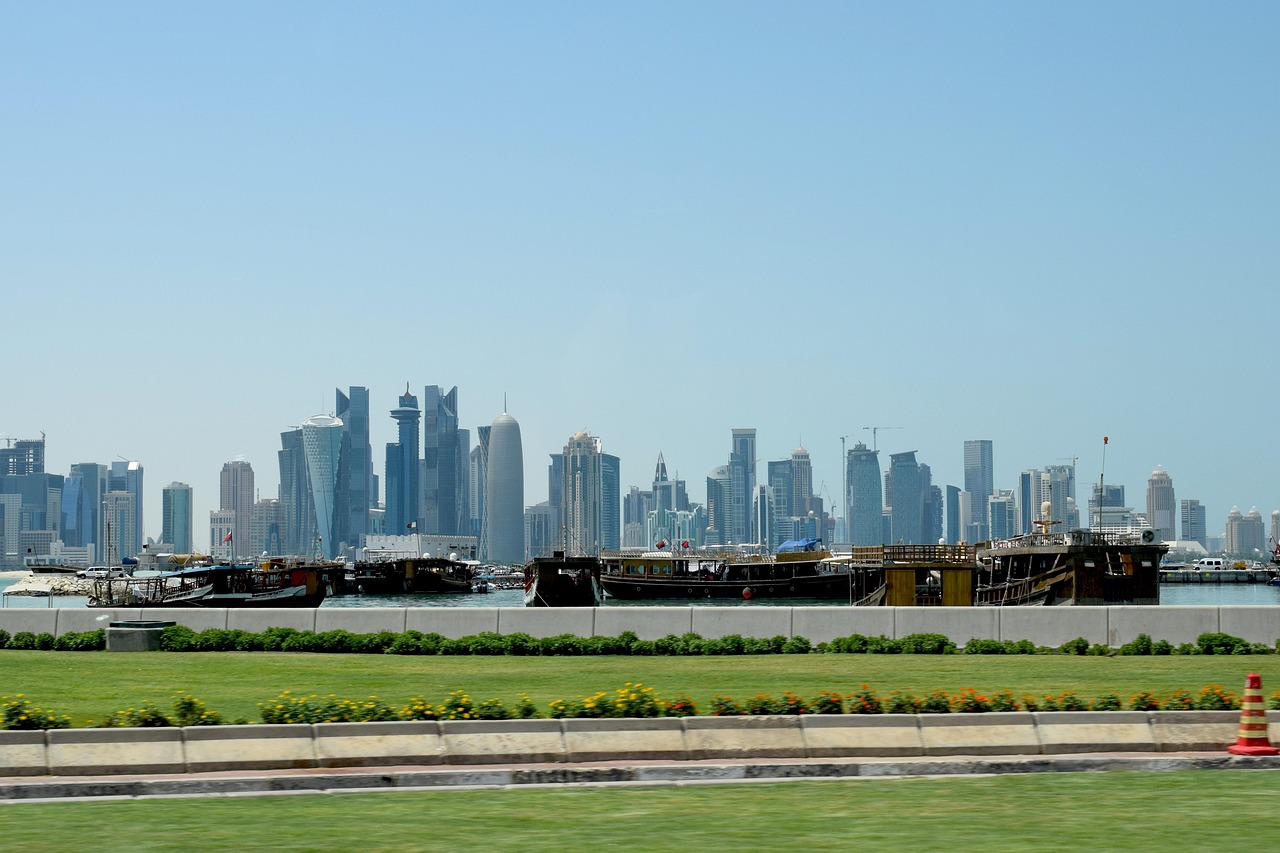
Doha is known for luxury residential islands such as The Pearl and rising hotel-standard developments. It has strong infrastructure and a growing tourism profile. Proximity to Hamad International Airport (DOH) supports short trips and holiday rentals for business and leisure travellers.
Bahrain (Manama and Coastal Projects)
Bahrain offers compact distances, lower drive times and a mix of apartments and beachfront villas. Manama’s convenience and a smaller, island-style feel attract buyers who want easier access across the Gulf. Consider connectivity to Bahrain International Airport (BAH) and local amenities.
Saudi Arabia’s Emerging Coastal Projects
Saudi Arabia is expanding its Red Sea and Gulf coastline offerings with ambitious resorts and new cities. These are best for buyers with a long-term horizon who like developer-led resort escapes. Check local ownership rules and project delivery timelines before committing.
How to Compare Gulf Holiday Home Locations
Accessibility and Airports
Short flight times matter for repeat visits. Look for locations served by major airports—Dubai (DXB), Abu Dhabi (AUH), Muscat (MCT), Doha (DOH), Bahrain (BAH) and Jeddah (JED) for western Saudi. Direct flights from your home country will increase the appeal for friends, family and renters.
Ownership and Legal Framework
Ownership structures differ across the Gulf: some areas allow freehold to foreigners in designated zones, while others use long leases or have restrictions. Always verify property title type, any residency ties, and investor rights with a local conveyancing lawyer and the municipality’s land registry.
Rental Potential and Seasonality
Consider tourism seasons: winter months deliver prime demand across the Gulf. Urban hubs such as Dubai typically offer steady rentals year-round, while quieter beach locations may be highly seasonal. Ask local agents for historical occupancy and targeting strategies for short-term rentals.
Cost of Ownership and Running Costs
Factor in service charges, utilities, local property taxes (where applicable), insurance and property management fees. These ongoing costs affect net returns if you plan to rent the property when not in use.
Practical Tips, Common Mistakes and Comparisons
- Avoid buying sight unseen. Visit during the season you plan to use the home and inspect neighbouring units for ongoing development noise.
- Verify developers’ track record and completion history. For off-plan purchases, review contract exit clauses and delivery timelines carefully.
- Compare service charges and what they cover—landscaping, pool maintenance, security, and marina fees can vary widely.
- Don’t assume short-term rental rules are the same across the Gulf; some communities restrict holiday lets.
- Consider resale liquidity: prime urban and island developments usually resell faster than remote or very new projects.
| Location | Best for | Nearest Airport | Highlights |
|---|---|---|---|
| Dubai | International holiday rental, luxury amenities | DXB | Marinas, beaches, shopping, strong short-term rental demand |
| Abu Dhabi | Family villas, quieter luxury | AUH | Cultural attractions, golf, island resorts |
| Muscat (Al Mouj) | Relaxed coastal living | MCT | Beaches, boating, quieter atmosphere |
| Doha (The Pearl) | High-end apartments, island lifestyle | DOH | Luxury marinas, premium dining |
| Bahrain | Convenience, compact trips | BAH | Island proximity, lower travel times around the Gulf |
Best Tips for Planning Your Trip
- Schedule viewings with a licensed agent and allow extra time to see multiple developments in a single visit.
- Time visits for the season you’ll use the home most—winter shows peak vibrancy; summer reveals heat-related issues.
- Bring a checklist: water pressure, air-conditioning performance, finish quality, security arrangements and parking.
- Ask for strata accounts, recent AGM minutes and service charge breakdowns when reviewing completed buildings.
- Confirm internet speeds, mobile coverage and proximity to medical services—these matter for longer stays and rentals.
Who Is This Best For?
Buying a holiday home in the Gulf Region suits buyers who want reliable logistics (short flights from many hubs), high-standard facilities and the option to rent out when not in use. It’s especially attractive for families seeking winter sun, investors targeting short-term rentals, and second-home buyers who value modern infrastructure and service-driven residential communities.
Is It Worth It?
It can be worth it if you match location to your use case and conduct careful due diligence. Prime Gulf locations offer strong tourism infrastructure and rental demand, but success depends on understanding ownership rules, running costs, and local market cycles. Plan for medium- to long-term holdings and get professional legal and financial advice before purchase.
Conclusion
The best places to buy holiday homes in the Gulf Region balance accessibility, ownership clarity, lifestyle and rental potential. Dubai and Abu Dhabi lead for amenities and global connectivity, Muscat provides calm coastal living, Doha and The Pearl offer high-end island living, while Bahrain and emerging Saudi projects give alternatives to established markets. Visit prospects in person, check legal title and community rules, and use local professionals to make a confident decision that fits your travel and investment goals.
Frequently Asked Questions
Can foreigners buy property in the UAE and other Gulf countries?
Short answer: Many Gulf markets allow foreign ownership in designated areas, but rules vary by country and development. Check the local land registry, speak to a licensed real estate agent and hire a lawyer to confirm title type and ownership rights.
Which Gulf city has the best rental income potential?
Short answer: Urban hubs like Dubai typically show stronger short-term rental demand due to steady tourism and business travel. However, net returns depend on purchase price, service charges, occupancy seasonality and local short-term rental rules.
Do I need residency to buy a holiday home in the Gulf?
Short answer: Residency requirements differ by country and sometimes by project. Some places permit non-residents to buy within freehold zones while others use long leases—always verify with official sources and legal counsel.
What are common ongoing costs after buying a Gulf holiday home?
Short answer: Expect service charges, utilities, property management fees, insurance and occasional community levies. Obtain recent accounts for the building and ask the management company to clarify what is included.
Is it risky to buy off-plan in the Gulf?
Short answer: Off-plan purchases can offer price advantages but come with developer and delivery risks. Check the developer’s track record, contract protections, escrow arrangements and construction guarantees before committing.
Are short-term holiday rentals allowed in Gulf developments?
Short answer: Some communities permit short-term rentals; others restrict or require permits. Confirm the community’s rental policy and local municipality regulations before buying if rental income is part of your plan.
How should I finance a Gulf holiday home as an international buyer?
Short answer: Options include local mortgages, international financing and cash purchases, each with different criteria for non-resident buyers. Discuss financing with banks experienced in Gulf real estate and consult a financial adviser.