





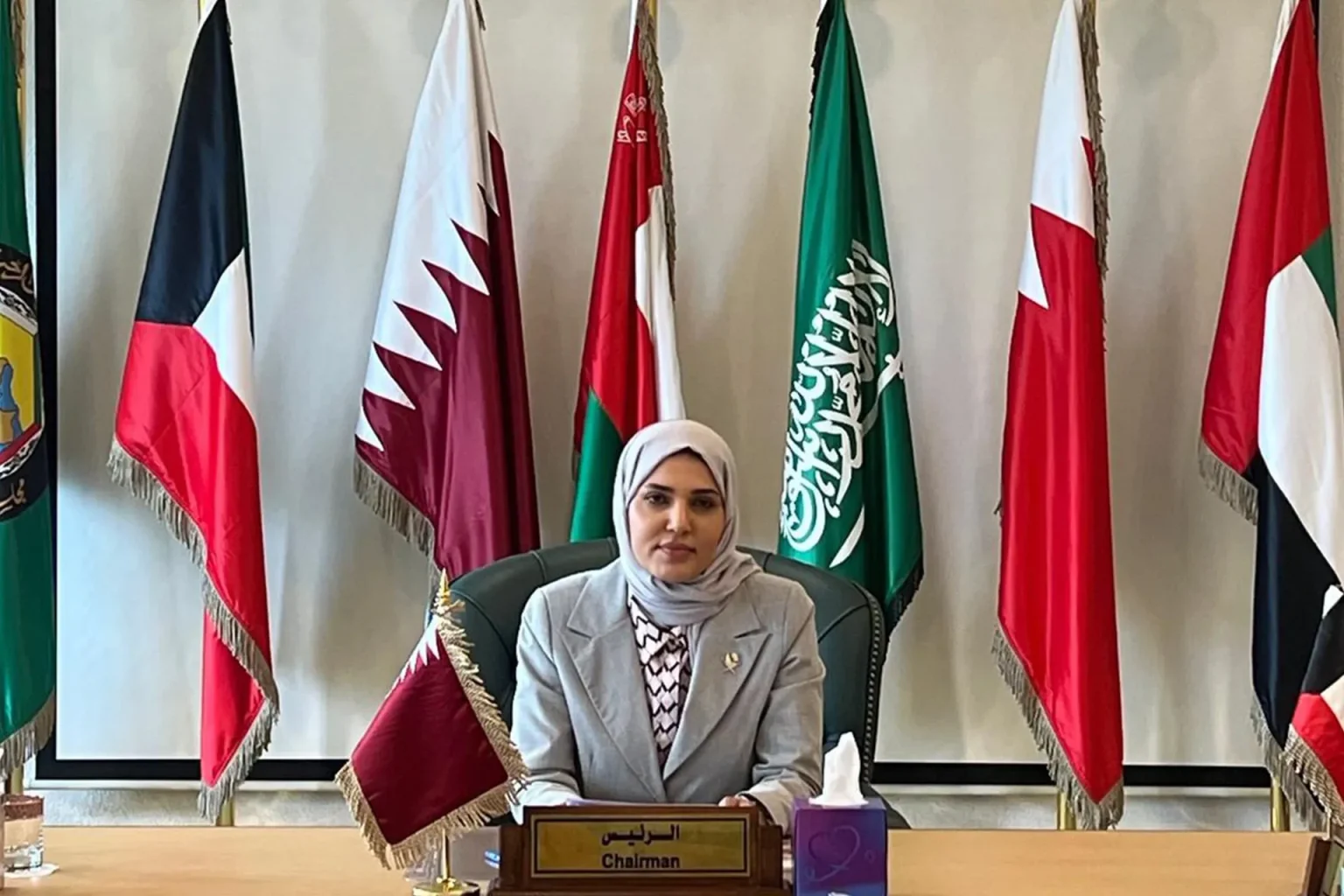

Doha — In a June 24, 2026 interview with Al Jazeera Net, Dr. Hind Abdulrahman Al-Muftah, Qatar’s permanent representative to the United Nations in Geneva, credited long-term policy and institutional support for the rise of Qatari women in diplomacy. The discussion took place on the International Day of Women in Diplomatic Service and outlined practical measures that helped increase female representation in international forums.
The interview established that the growth of Qatari women in diplomacy stems from coordinated national plans, investment in education, and legal reforms that prioritize merit. Dr. Hind emphasized that competency and measurable performance remain the primary criteria for diplomatic appointments, according to officials and public statements.
Qatari women in diplomacy: keys to success
Qatar’s approach to expanding women’s roles in foreign service combines political will with systemic reforms. Leadership directives since the 1990s, including initiatives under successive rulers, set a strategic course for inclusion. Furthermore, parliamentary and executive appointments have reflected a deliberate policy to recruit and promote on the basis of qualification and achievement.
In practical terms, this strategy includes tailored recruitment, scholarships, and targeted training programs. These measures were reinforced by international partnerships that expose diplomats to multilateral negotiations and capacity-building opportunities, thereby reinforcing the country’s long-term goals under Qatar National Vision 2030.
Education and capacity building for diplomatic careers
Education and professional development are central to preparing candidates for diplomatic careers. Dr. Hind noted that higher education in law, political science, and international relations, paired with hands-on experience at multilateral institutions, creates a pipeline of qualified candidates. Additionally, scholarship and exchange programs broaden technical skills and language proficiency.
Meanwhile, mentorship and on-the-job training within foreign ministries and mission posts accelerate readiness for senior roles. These programs also align with broader women’s empowerment objectives by offering clear career pathways and support networks for female professionals who aspire to represent Qatar abroad.
Policies that support work-life balance and retention
Flexible workplace policies have contributed to retention and progression among female diplomats. Officials cited measures such as part-time arrangements, remote work options, and childcare support as tools that help reconcile diplomatic duties with family responsibilities. Therefore, institutional flexibility reduces attrition and preserves institutional knowledge.
Furthermore, civil service rules and human resources practices that emphasize transparent promotion criteria help mitigate gender bias. As a result, women who demonstrate performance in high-stakes negotiations and representational duties are more likely to advance to senior postings, including ambassadorial and permanent representative roles.
Challenges, stereotypes and resilience
Despite progress, Qatari women in diplomacy still encounter operational and cultural challenges. Diplomatic work demands extensive travel, long hours during international sessions, and frequent relocations, which can complicate family arrangements. Additionally, female diplomats may confront preconceived notions in some foreign contexts, officials said.
Dr. Hind and other senior diplomats described resilience strategies that combine professional excellence with institutional backing. Peer networks, family support, and clear HR policies help women manage competing demands. Furthermore, the visible success of women in leadership roles has gradually shifted perceptions both at home and in international venues.
Impact on international representation and foreign policy
Increased female representation has implications for Qatar’s diplomatic posture. Women diplomats contribute to a broader range of perspectives in negotiation teams, humanitarian missions, and dialogue on human rights and development. Observers note that diverse delegations can enhance credibility in multilateral settings and improve the quality of consensus-building.
Qatar’s sustained investment in human capital has also enabled the country to field specialists in mediation, humanitarian assistance, and legal diplomacy. Accordingly, these capabilities reinforce Doha’s role in regional and global initiatives while also showcasing the outcomes of targeted women’s empowerment policies.
What to watch next
Looking ahead, analysts and ministry officials will monitor appointment trends, training program expansions, and the implementation of family-friendly workplace reforms. Key indicators include the share of senior diplomatic posts held by women, participation in UN bodies, and the uptake of mentorship and exchange programs.
In the short term, stakeholders said to expect continued attention to capacity building under programs linked to Qatar National Vision 2030 and upcoming multilateral meetings where female diplomats will play visible roles. Therefore, readers should watch for official announcements about new training initiatives and personnel changes within Qatar’s diplomatic corps.
Conclusion
Dr. Hind Abdulrahman Al-Muftah’s interview underscores that the emergence of Qatari women in diplomacy results from deliberate national policies, robust education pipelines, and adaptive workplace practices. The trajectory reflects a broader commitment to women’s empowerment and strategic human capital development, and it offers a model for combining domestic policy with international engagement.
Going forward, the next steps will be clearer measurement of outcomes and continued reforms to sustain momentum. Observers will be particularly attentive to upcoming appointments and program evaluations that indicate whether current gains translate into lasting institutional change.