







Qatar diplomatic achievement praised by cabinet amid US‑Iran Islamabad understanding
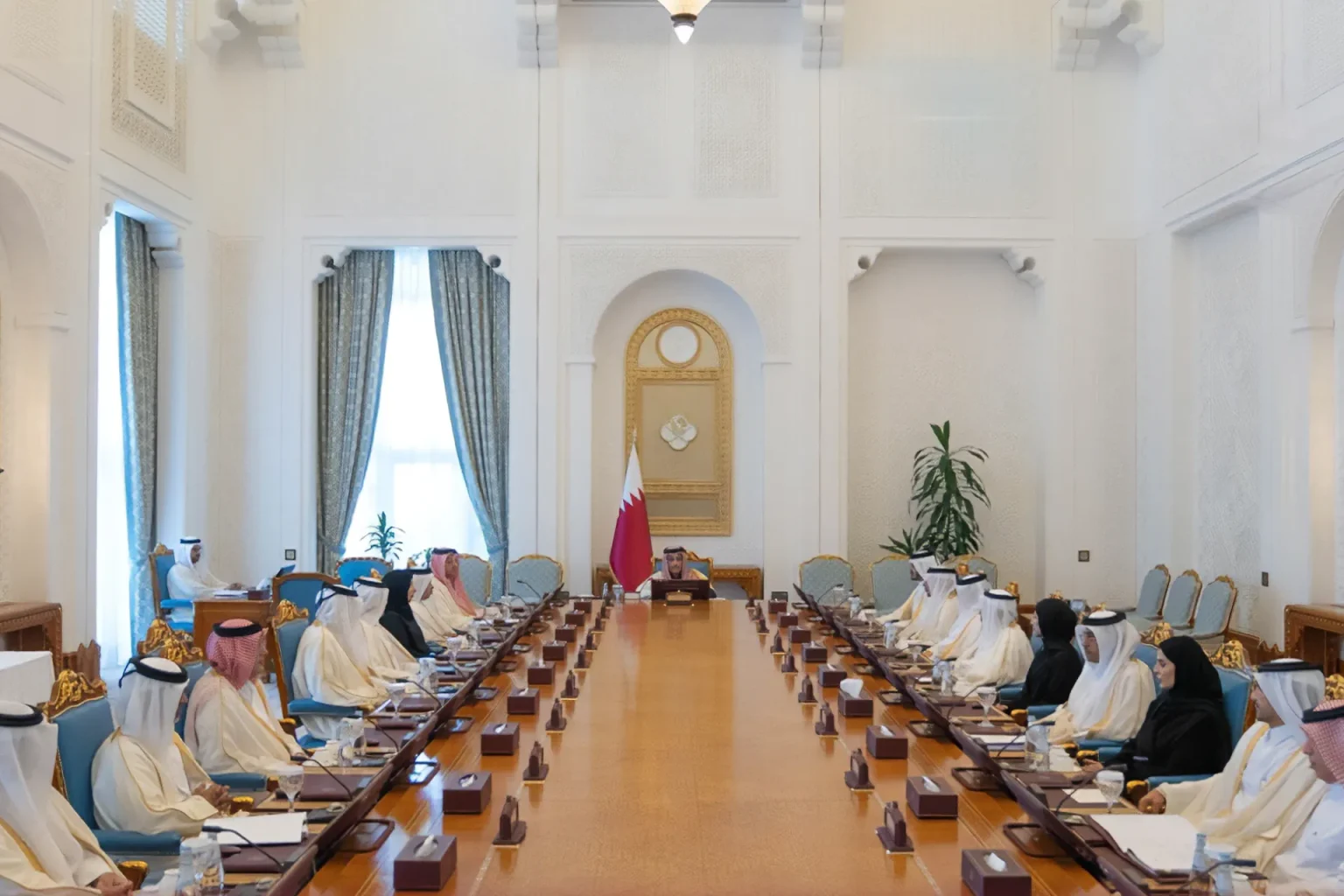
Qatar’s cabinet on Wednesday, June 24, 2026, hailed a “historic achievement” for the country’s diplomacy after its constructive partnership with Pakistan helped produce a memorandum of understanding between the United States and Iran. The statement, issued in Doha, described the development as a milestone and urged continued negotiations in a positive spirit to reach a final, peaceful settlement.
The cabinet referenced the June 14 announcement of the 14‑point memorandum, known as the “Islamabad understanding,” and said the agreement entered into effect on June 18 following electronic signatures by the Iranian and U.S. presidents, according to official statements. Officials noted Qatar’s facilitation alongside Pakistan and welcomed the halt to hostilities outlined in the document.
Details of the US-Iran memorandum and Pakistan mediation
The US‑Iran memorandum, as described by public statements, contains provisions aimed at ending hostilities across multiple fronts, addressing maritime access through the Strait of Hormuz, and lifting certain naval restrictions. The Islamabad understanding was brokered with Pakistan’s mediation, and Pakistani leaders praised Qatar for providing crucial support during talks, according to comments made by Pakistan’s prime minister.
Pakistan mediation played a central role in convening interlocutors and conveying proposals between Tehran and Washington, officials said. Meanwhile, Doha’s diplomatic contributions were framed as complementary: providing shuttle diplomacy, hosting consultations, and coordinating with regional stakeholders to maintain momentum toward de‑escalation.
Qatar diplomatic achievement: government reaction and message
Qatar’s cabinet expressed pride in what it described as a “constructive partnership” with Pakistan that helped yield the memorandum, saying the outcome reflects sustained diplomatic engagement and regional dialogue. The cabinet added that it hoped negotiators would maintain “positive spirit and genuine will” to translate the understanding into a comprehensive peace agreement.
Qatar’s statement emphasized non‑military tools and dialogue as the preferred method to resolve interstate disputes, and it called on the parties to follow through on the memorandum’s clauses. Furthermore, the cabinet urged international actors to support implementation mechanisms that monitor compliance and reduce the risk of renewed confrontation.
Regional and international implications of the Islamabad understanding
The Islamabad understanding has immediate implications for regional security and global energy markets, analysts say. A reduction of hostilities in the Gulf could ease maritime risks, which in turn would affect shipping insurance rates and commercial traffic through the Strait of Hormuz.
Additionally, the memorandum’s provisions on de‑escalation and naval movements could open space for broader diplomatic engagement on related concerns, such as proxy conflicts and sanctions relief mechanisms. However, experts caution that implementation will require concrete confidence‑building steps, robust verification, and third‑party monitoring arrangements.
Reactions from capitals and international organizations
Pakistan’s prime minister publicly commended Qatar’s role, describing Doha’s assistance as vital to moving the process forward, according to press briefings. Other regional capitals have offered guarded support, while international organizations have called for transparency around implementation timelines and monitoring processes.
Observers note that sustained diplomatic outreach by Qatar and Pakistan may be necessary to prevent spoilers from undermining progress, and they stress the importance of engaging nonstate actors affected by the conflicts mentioned in the memorandum.
Next steps, verification and what to watch
Officials said the next phase should focus on translating the Islamabad understanding into verifiable, step‑by‑step implementation. This will likely include establishing joint committees, confidence‑building measures, and mechanisms to monitor compliance across ceasefire lines and maritime routes, according to policy briefings.
Stakeholders and analysts will watch three key elements closely: whether the parties agree on an independent monitoring body, how swiftly de‑escalation measures are enacted on the ground and at sea, and the role Qatar and Pakistan will play in facilitating follow‑up talks. Furthermore, timelines for formal negotiations toward a comprehensive agreement remain a crucial indicator of durability.
Conclusion: outlook for diplomacy and stability
Qatar’s cabinet framed the Islamabad understanding as a diplomatic success and called for continued negotiations to reach a final accord that ends the conflict peacefully. The coming weeks are likely to test the memorandum’s resilience and the willingness of parties to implement its provisions, with Qatar and Pakistan positioned as continuing interlocutors.
Readers should watch for announcements on monitoring arrangements, initial on‑the‑ground de‑escalation steps, and any broader regional confidence‑building initiatives. These measures will determine whether the recent diplomatic breakthrough leads to a sustained reduction in tensions or requires further mediation efforts.