






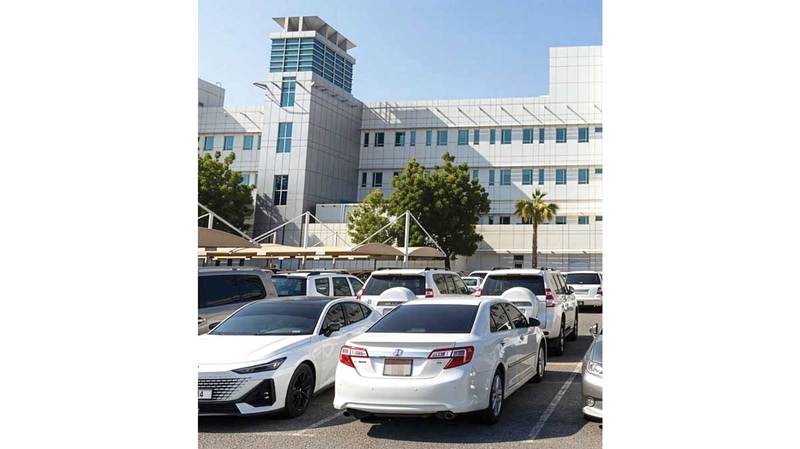

Rashid Hospital parking strains patients and visitors during peak hours
Patients and visitors at Rashid Hospital in Dubai are reporting severe congestion in the hospital’s parking areas, making the search for a vacant space an “arduous journey,” according to a local report. The problem, which patients and companions say occurs most often during morning peak hours and when outpatient clinic schedules overlap with emergency department demand, is causing delays and added hardship.
The situation affects a broad cross-section of users, including elderly patients, people of determination, and caregivers who need close access to hospital buildings. Reporters noted that some drivers spend extended periods circling the hospital precinct to find on-site parking or are forced to park far away and walk in hot, humid conditions.
How limited parking affects patient access and care
Limited availability of parking spaces translates into missed appointments and increased stress for patients and families, healthcare users say. Therefore, patients with mobility impairments and chronic conditions face disproportionate burdens when they must walk long distances from distant lots to the hospital entrance in high temperatures.
Additionally, caregivers who assist patients with mobility needs describe logistical challenges that can delay transfers into clinics or the emergency department. Meanwhile, the extra time spent locating parking can reduce the effective time available for consultations, diagnostic tests or procedures, health professionals warned indirectly through patient reports.
Dubai Health outlines current measures, including free patient transport service
Dubai Health said it recognizes the importance of easy access to its facilities and noted that Rashid Hospital receives large daily volumes of patients, visitors and staff, which can limit parking availability during certain periods. The health authority added that it has several initiatives intended to ease the patient journey from home to hospital and back, including a complimentary patient transport service.
According to Dubai Health, more than 15,000 patients used the free patient transport service during 2025, reflecting the program’s role in supporting those who face difficulties traveling to healthcare facilities. Furthermore, Dubai Health emphasized that these services are part of broader efforts to improve patient access and reduce reliance on private vehicle travel to busy hospitals.
Planned parking management system and other long-term solutions
Officials told reporters they are preparing to launch an integrated parking management system across Dubai Health facilities after completing a comprehensive study of parking usage and patient needs. The proposed parking management system is intended to match available spaces with demand and to prioritize accessible parking for elderly patients and people of determination.
Such technology can include real-time space monitoring, digital wayfinding, advance reservation for certain patient categories, and dynamic allocation of short-term visitor spaces. Implementing these elements could shorten the time users spend searching for spots and reduce traffic congestion in hospital precincts.
Complementary operational steps
In addition to technological fixes, authorities may consider operational changes such as staggered outpatient appointment slots, clearer signage to remote parking with shuttle links, and dedicated bays for patients with mobility needs. Furthermore, expanding drop-off zones near emergency and outpatient entrances could minimize walking distances for vulnerable patients.
Implications for vulnerable groups and facility operations
The parking challenges at Rashid Hospital underscore broader accessibility concerns for elderly patients and people of determination who require short, safe routes from vehicle to care. Heat and humidity during summer months exacerbate the problem, turning routine clinic visits into strenuous tasks for those with limited mobility.
Operationally, extended parking searches can ripple through hospital workflows by delaying scheduled appointments and increasing the load on reception and triage areas. Therefore, improving parking and transport links is both a patient experience and a systems-efficiency issue for busy tertiary hospitals.
What patients and visitors can do now
Until long-term measures are implemented, patients are advised to plan for extra travel time, consider using Dubai Health’s patient transport service if eligible, and check appointment schedules for non-peak slots when possible. Furthermore, companions and caregivers should allow additional time for drop-offs and factor in weather conditions when parking further away.
Community groups and patient advocates may also ask hospital administrators for clearer information on designated accessible parking and temporary arrangements during peak periods. Meanwhile, digital navigation apps and hospital information lines can sometimes indicate the best entry points or quieter times for visiting.
Looking ahead: next steps and what to watch
Dubai Health’s statement that it will introduce an integrated parking management system is the next major development to follow, according to the report. Interested parties should watch for announcements on the study’s findings, a timeline for rollout, and details on how new systems will prioritize accessible parking and coordinate with the free patient transport service.
In the short term, officials said, maximizing the use of existing patient transport options and refining appointment scheduling may help ease pressure on Rashid Hospital parking. Longer-term success will depend on combining technology, operational changes and targeted services for vulnerable users to ensure equitable access to care.