







EU methane rules prompt urgent plea from major gas suppliers
Qatar, the United States, Nigeria and Algeria urged European Union leaders this week to revise the EU methane rules before they come into force in January 2027, saying current ambiguities threaten multibillion-euro contracts and long-term investments. The letter, signed by senior energy ministers, called for clarity on monitoring, verification and enforcement to preserve supply stability and investor confidence.
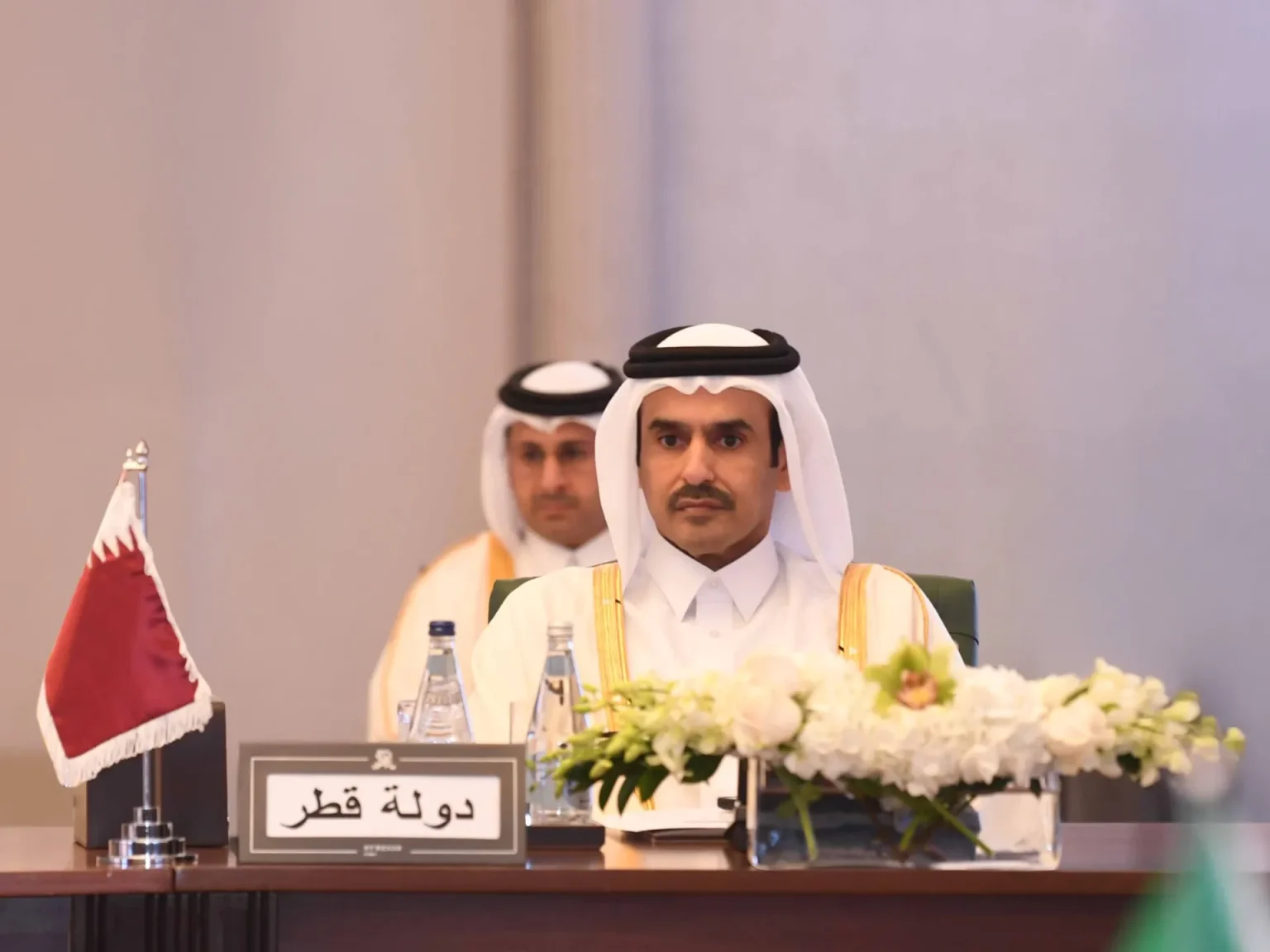
The appeal was delivered to EU institutions and member states on June 25, 2026, and updated on June 27, according to officials. Signatories included Qatar’s Minister of State for Energy Saad Sherida al-Kaabi, U.S. Energy Secretary Chris Wright, Nigeria’s Minister of State for Petroleum Resources (Gas) Ekperikpebi Ekpo and Algeria’s Minister of Energy and Mines Mohamed Arkab.
What the EU methane rules would require
The EU methane rules are designed to curb methane emissions from the oil and gas sector by requiring systematic methane monitoring, independent verification of emissions and checks on incoming fuel shipments. The regulatory package aims to reduce a potent greenhouse gas that is the main component of natural gas and a major contributor to short-term climate warming.
Starting next year, the rules are expected to require companies and exporting partners to provide more granular emissions data, allow for methane detection technologies at facilities and in transit, and enable EU authorities to withhold acceptance of shipments that cannot meet verification standards. Officials say the move aligns with the bloc’s climate and competitiveness objectives, but implementation details remain contested.
Concerns over legal ambiguity and market impact
The four supplier countries warned that several technical and legal elements of the rules are still unclear, limiting their ability to plan and enter long-term supply contracts. According to the letter, the lack of detailed implementation guidance creates potential legal and financial risks tied to contracts worth tens of billions of euros.
Furthermore, the signatories argued that uncertainty could distort investment decisions in liquefied natural gas (LNG) infrastructure and complicate compliance pathways for exporters. The letter said stakeholders need agreed methodologies for methane monitoring and standardized compliance trajectories to avoid disruptive outcomes for markets and energy security.
Eleven EU governments have also asked the European Commission to consider delaying the rules by three years, citing supply disruptions linked to geopolitical tensions in the region, Reuters reported. Meanwhile, the Commission has proposed limited temporary exemptions from penalties for non-compliant companies but has so far resisted requests to rewrite the core provisions.
Proposed transitional measures from suppliers
The four countries outlined a set of transitional measures they say would reduce immediate market risk while preserving environmental goals. Proposed steps include a temporary suspension mechanism for certain obligations, agreed timelines for developing common compliance methodologies, and exclusion of contracts signed during the development window from new enforcement penalties.
They also suggested removing penalties during a phased transition to give exporters and EU buyers time to adapt operational practices and invest in methane monitoring equipment. The letter urged the Commission and member states to engage with industry and exporting partners to define practical routes to compliance that minimize legal uncertainty.
Implications for energy security and investment
Analysts say the outcome of this dispute could affect Europe’s energy security and the pace of LNG build-out in the coming years. If exporters hesitate to commit to long-term deals amid unclear enforcement, buyers may face higher short-term costs or reduced access to reliable supplies, which could undermine market stability.
Conversely, a collaborative approach that sets clear methane monitoring standards and verification procedures could spur investment in detection technologies and emissions-reduction projects. Experts note that transparent rules and predictable timelines are critical to aligning climate objectives with commercial contracts and supply chain financing.
Reactions and diplomatic framing
In their closing remarks, the signatories framed the appeal as a constructive offer to work with the European Commission and member states. They emphasized commitment to strengthening strategic and economic partnerships with the EU while balancing environmental targets with the practicalities of long-term supply commitments.
Brussels faces competing pressures: deliver on climate mitigation goals and maintain robust, affordable energy supplies. The Commission has defended the policy’s environmental rationale but must now weigh technical clarifications and transitional relief sought by suppliers and some member states.
Next steps and what to watch
Stakeholders expect intensified technical talks over the summer and into the autumn as the Commission prepares final guidance ahead of the January 2027 implementation date. Observers will watch for specific decisions on methane monitoring protocols, verification pathways, and any formal adoption of transitional relief or suspension mechanisms.
Readers should watch for updates from the European Commission, statements from major importing companies, and any follow-up diplomacy from exporting governments. The degree to which Brussels incorporates targeted clarifications will likely determine whether the EU methane rules proceed as drafted or are adjusted to reduce market and legal uncertainty.