






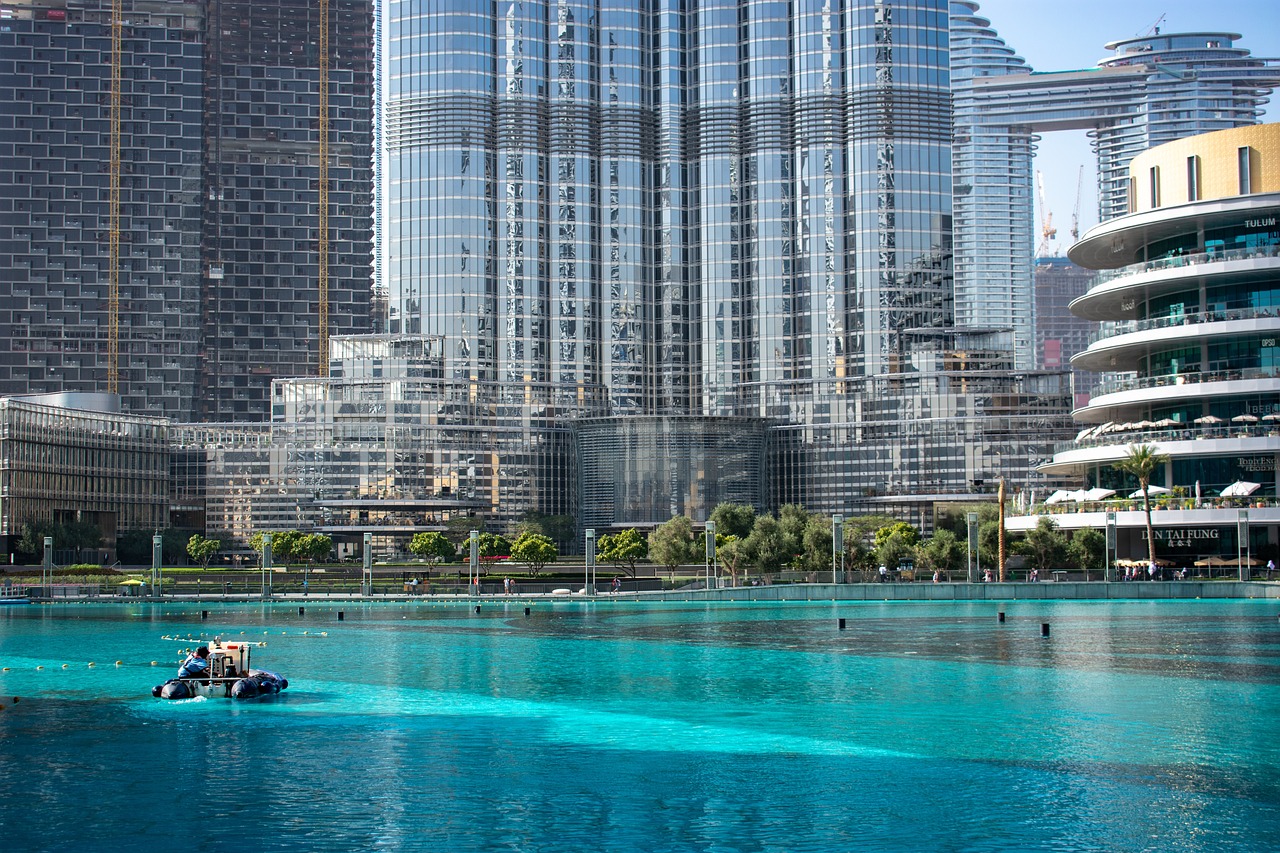

The Top Benefits of Investing in Dubai Real Estate 2026 are clear to many international buyers: strategic location, strong rental demand, and a transparent property registration system. In 2026 Dubai continues to attract capital because of steady tourism, expanding business districts, and new infrastructure projects that support long-term capital appreciation and attractive rental yields.
This guide explains the practical advantages of buying property in Dubai, with travel-focused tips for visiting the city to inspect investments, comparisons between neighborhoods, common mistakes to avoid, and who stands to gain most from Dubai real estate in 2026.
Quick Answer
Investing in Dubai real estate in 2026 offers tax-efficient income potential, professional property management, high tourist and expatriate rental demand, and growing capital appreciation tied to major events and infrastructure. Buyers should research freehold zones, check updated residency and mortgage rules, and visit neighborhoods like Downtown Dubai, Dubai Marina, and Palm Jumeirah before committing.
Key Takeaways
- Dubai remains a top global hub for property investment thanks to strong demand from tourists and expatriates.
- Main benefits include rental yields, capital growth potential, tax neutrality, and modern infrastructure.
- Choose location carefully: business districts suit corporate tenants, beachfront areas attract holiday rentals.
- Visit in person, use licensed agents, and verify title and registration via Dubai Land Department.
- Check official government sites for updated visa, mortgage, and ownership rules before purchase.
Why Dubai Real Estate Still Attracts Investors in 2026
Dubai sits at the crossroads between Europe, Asia, and Africa, with two major airports—Dubai International (DXB) and Al Maktoum International (DWC)—supporting heavy business and leisure traffic. That connectivity keeps short-term rental demand high and supports stable occupancy in serviced apartments and holiday homes.
Beyond tourism, Dubai’s diversified economy—finance (DIFC), media (Dubai Media City), and logistics—creates steady demand from long-term expatriate workers and corporate housing, which improves both rental income and resale market liquidity.
Main Benefits of Investing in Dubai Real Estate 2026
1. Strong Rental Demand and Attractive Yields
High numbers of tourists, business travelers, and long-term expatriates keep rental markets active year-round. Short-term holiday lets in areas like Palm Jumeirah and Dubai Marina command premium nightly rates, while family-friendly neighborhoods such as Arabian Ranches and Jumeirah Village Circle appeal to long-term tenants.
2. Capital Appreciation Linked to Infrastructure and Events
Major projects—new metro lines, Expo legacy developments, and ongoing urban renewal—support property prices. When you buy in well-connected neighborhoods, you benefit from improved transport links and local amenities that boost resale value over time.
3. Tax Efficiency and Transparent Title Registration
The absence of personal income tax on rental income is a major draw for many international buyers, though you should confirm tax rules with your home-country advisor. Dubai Land Department provides clear title registration and RERA-regulated sales practices, which increases investor confidence.
4. Variety of Property Types for Different Strategies
Dubai offers freehold apartments, villas, off-plan projects, and resale units. Off-plan sales can lower entry costs, while ready properties enable immediate rental income. Choose off-plan for long-term capital plays and ready homes for instant cash flow.
5. Professional Property Management and Short-Term Rental Platforms
Well-established property management firms and hospitality services help absentee owners run short-term lets or managed rentals. Platforms and licensed holiday rental operators streamline guest check-in, cleaning, and compliance with local short-term rental rules.
Which Neighborhoods Offer the Best Returns?
Choice of location depends on investor goals—capital growth vs. rental yield vs. lifestyle. Below is a concise comparison to help you prioritize.
| Neighborhood | Best for | Typical Tenant |
|---|---|---|
| Downtown Dubai | Capital appreciation, luxury apartments | Professionals, high-income tourists |
| Dubai Marina | Short-term rentals, waterfront living | Tourists, young professionals |
| Palm Jumeirah | Luxury holiday lets, villa market | High-net-worth visitors, families |
| Business Bay | Corporate rentals, proximity to DIFC | Executives, business travelers |
| Jumeirah Village Circle | Family rentals, value buys | Families, long-term tenants |
Practical Tips Before You Buy
- Inspect properties in person and view multiple units to compare finishes and management quality.
- Use a RERA-registered broker and ask for the title deed and Ejari (tenancy contract) procedures.
- Factor in service charges, community fees, and agent commissions when calculating expected returns.
- Ask about developer warranties, completion guarantees for off-plan projects, and how maintenance is handled.
- Check mortgage products from multiple banks and confirm eligibility, loan-to-value limits, and interest types.
Common Mistakes to Avoid
- Overestimating gross yields—always calculate net rental income after service charges, management fees, and vacancy rates.
- Ignoring location fundamentals—close proximity to transport, schools, and hospitals matters for tenant demand.
- Skipping due diligence on developers—review track record and completion history for off-plan projects.
- Assuming the same rules always apply—visa, residency, and mortgage conditions change, so verify current regulations.
How to Assess Risk
Risk in Dubai real estate depends on market segment and timing. Off-plan projects carry developer and construction risk, while resale properties may need renovation costs. Diversify across neighborhoods or property types if possible and keep an emergency fund to cover unexpected costs or temporary vacancies.
Best Tips for Planning Your Trip
Plan a focused investment trip to Dubai to inspect properties and meet agents. Fly into Dubai International (DXB) for central access, or Al Maktoum (DWC) for some new developments. Schedule neighborhood visits by grouping nearby areas—Downtown/DIFC together, Marina/Palm together—for efficient time use.
- Book property viewings at least a week in advance and request to see the exact unit you might buy, not just a show apartment.
- Bring original ID, passport, and proof of funds to speed up reservation agreements if you decide to place a deposit.
- Meet with at least two developers or resale agents and ask for transparent breakdowns of fees and timelines.
- Use local transportation options—metro and taxis—to estimate commute times for potential tenants.
- Allow time to speak with current residents or property managers to understand running costs and community issues.
Is it worth it? Who is this best for?
Yes, for many investors Dubai offers a compelling mix of yield, capital growth potential, and tax efficiency. It is particularly suitable for international buyers seeking a diversified real estate exposure, short-term rental entrepreneurs, and expatriates who want a second home in a well-serviced city.
It’s less suitable for those seeking guaranteed returns or minimal involvement—active due diligence and property management are essential. If you prefer ultra-low-risk government bonds or deposit accounts, real estate may not match that risk profile.
How to Proceed: A Practical Roadmap
- Clarify your investment goal: capital growth, rental income, or lifestyle use.
- Shortlist neighborhoods and budget for purchase price plus ongoing costs.
- Visit Dubai, inspect properties, and meet developers or resale agents in person.
- Confirm legal and mortgage steps with a licensed lawyer and bank; check Dubai Land Department registration processes.
- Set up property management or short-term rental services if you will not reside locally.
Conclusion
Top Benefits of Investing in Dubai Real Estate 2026 include robust rental demand, tax advantages, diverse property choices, and clear title processes that together create a compelling opportunity for international investors. Success depends on choosing the right location, performing careful due diligence, and planning a prudent, well-researched visit to Dubai to inspect properties and meet professionals. Verify current visa, mortgage, and ownership regulations with official sources before making financial commitments.
Frequently Asked Questions
Is Dubai a good place to invest in real estate in 2026?
Yes, Dubai remains attractive due to strong tourism, business activity, and infrastructure development. However, outcomes depend on location, property type, and market timing—do your own due diligence.
Can foreigners buy property in Dubai?
Yes, foreigners can buy in designated freehold areas and certain leasehold zones. It’s important to confirm the exact property rights and registration procedures via the Dubai Land Department or a licensed real estate lawyer.
Do I need to live in the UAE to buy property in Dubai?
No, you do not need to be a UAE resident to purchase real estate in most freehold areas. Many international investors buy and manage properties remotely through licensed property management firms.
Will I get residency or a Golden Visa by buying property?
Property investment can sometimes contribute toward residency schemes, but rules and thresholds change. Check the latest information from UAE immigration authorities or an official government source before relying on property purchase for residency.
What are realistic rental yields in Dubai?
Rental yields vary by neighborhood and property type; beachfront and tourist areas typically generate higher short-term rates, while family suburbs may yield steadier long-term income. Always calculate net yields after management fees and service charges.
Should I buy off-plan or ready property?
Off-plan can offer lower entry prices and potential capital gain at completion but carries construction and developer risk. Ready properties provide immediate rental income and clearer cost forecasts—your strategy should match your risk tolerance and timeline.
How do I find a trustworthy agent or developer?
Use RERA-registered brokers and check developer track records, recent completions, and customer reviews. Ask for references, visit completed projects, and verify licenses before signing any reservation agreements.