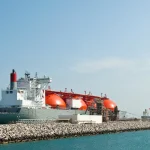






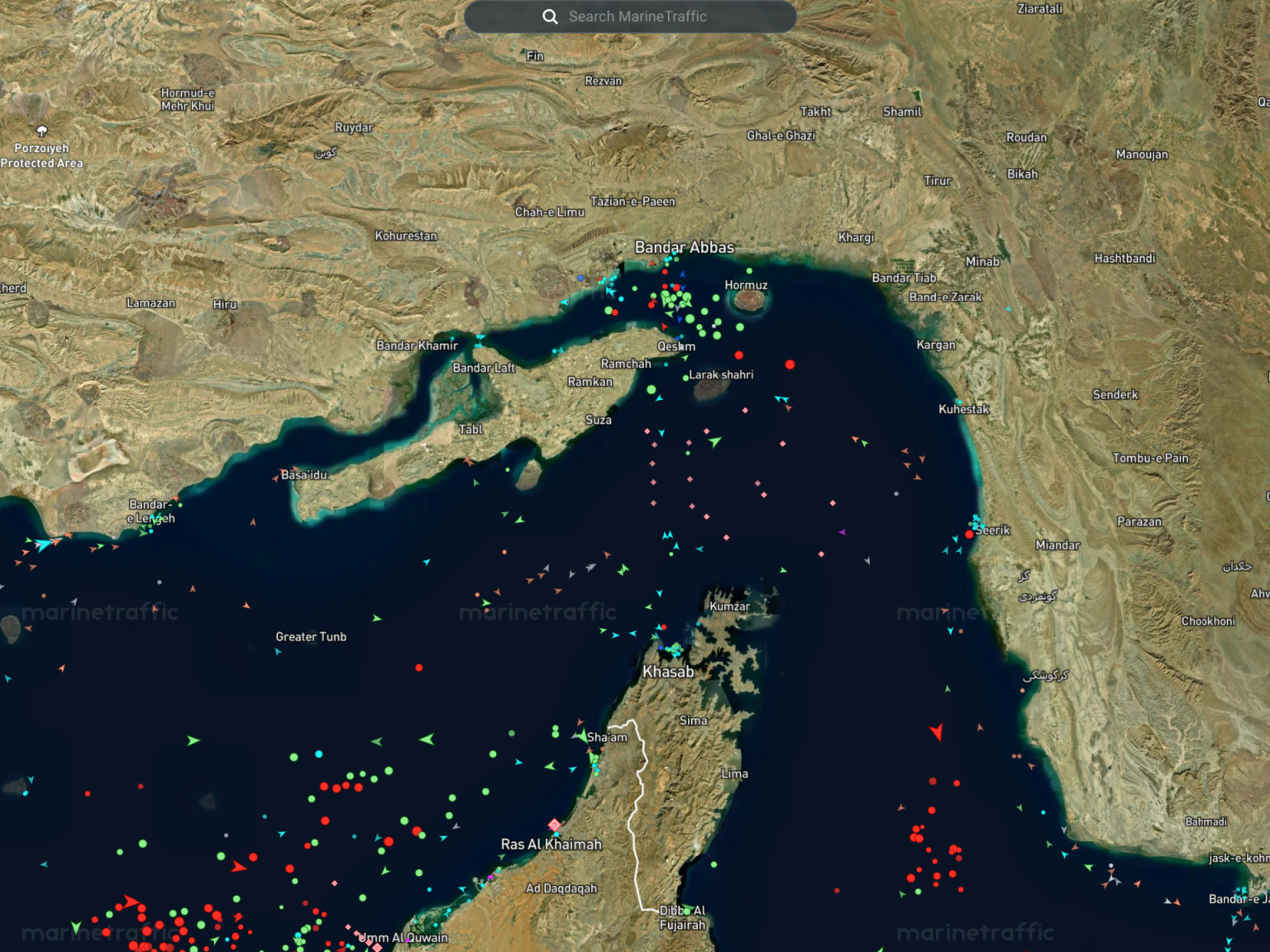

The Malta-flagged Disha LNG tanker completed a transit of the Strait of Hormuz on June 15, according to open-source maritime tracking and analysis, marking a notable movement of liquefied natural gas traffic amid continued caution in the waterway. The vessel departed Ras Laffan, Qatar, and was later tracked entering the Gulf of Oman after crossing the southern corridor past Qeshm and Hormuz islands, MarineTraffic data shows.
The passage was recorded by the Al Jazeera network’s open-source unit, which monitored ship automatic identification system (AIS) feeds and commercial tracking platforms. Meanwhile, broader shipping activity through the strait remained limited, with few other LNG carriers logged making comparable transits on the same day.
Disha LNG tanker transit through the Strait of Hormuz
The Disha LNG tanker’s transit drew attention because it was the only liquefied natural gas carrier identified moving through the Strait of Hormuz in monitored feeds on June 15. According to the tracking record, the ship altered course eastward prior to navigating the maritime chokepoint south of Qeshm and Hormuz islands, then exited into the Gulf of Oman.
Commercial routing data indicates the ship was on a voyage originating at Ras Laffan in Qatar and bound for destinations outside the Persian Gulf. The vessel’s AIS track, as recorded by MarineTraffic, confirms the transit route commonly used by LNG carriers linking Qatari export terminals with markets in South and East Asia.
What we know about the vessel
The vessel sails under the name Disha, carries IMO number 9250713 and flies the Maltese flag. Built in 2004, the tanker has been active on schedules transporting liquefied natural gas between Qatar and India, according to registry and commercial vessel information. Ownership and management records link the ship commercially to Petronet LNG of India and show ties with Asian shipping operators, including Mitsui O.S.K. Lines in parts of the ownership or operational structure.
Industry tracking shows the Disha is part of a fleet pattern of ships dedicated to Qatar-India LNG routes, routinely calling at Ras Laffan and Indian import terminals such as Dahej. Analysts say these ships play a steady role in the energy supply chain despite episodic disruptions in transit corridors.
Why the transit matters for maritime security and energy routes
The passage of the Disha LNG tanker is significant because commercial traffic through the Strait of Hormuz has been unusually constrained in recent weeks. Shipping sources and trade monitoring indicate a cautious posture by shipowners and operators, who have reduced or rerouted voyages amid security concerns and evolving political signals affecting the waterway.
Liquefied natural gas is a high-value cargo and a critical energy feedstock for several importing countries. Therefore, each confirmed LNG transit through the strait is closely watched by market participants and maritime security analysts for implications on supply continuity, freight costs and insurance premiums. The limited number of carriers making the crossing recently suggests operators remain risk-averse, using select ship movements as indicators of operational feasibility.
Recent pattern of Qatar-linked LNG transits
Open-source tracking has recorded multiple Qatar-linked LNG tankers making occasional transits of the strait over the past weeks. Reported movements include vessels that departed Ras Laffan and later appeared in the Gulf of Oman or on routes toward China and India. These observed passages have been catalogued by analysts compiling AIS data, providing a view of how industry actors are managing logistics under uncertain conditions.
Context: political developments and navigation conditions
The Disha transit occurred against a backdrop of notable political statements and tentative diplomatic developments concerning regional maritime access. Recent announcements from high-level political figures have suggested moves toward easing tensions and reopening channels, although authorities and shipping stakeholders have indicated that practical details and formal confirmations are still pending.
Because maritime operations depend on clear assurances, official guidelines and risk mitigation measures, the current phase is best described as one of guarded optimism. Ship operators typically wait for unambiguous directives from national authorities and for insurers and charterers to adjust risk assessments before scaling up regular transits through a contested or sensitive waterway.
Implications for energy markets and shipping
For energy markets, each LNG cargo that successfully navigates the Strait of Hormuz can help stabilize short-term supply expectations, particularly for buyers in South Asia. Nevertheless, analysts caution that isolated transits do not yet constitute a return to normal traffic patterns, and prices or freight rates could remain volatile until more predictable transit behavior is observed.
For shipping, the Disha voyage illustrates how operators balance commercial commitments with safety concerns. Decisions to transit or wait in holding areas reflect an interplay of charterer pressure, cargo scheduling, insurance conditions and official maritime advisories. Ship owners and cargo buyers alike will be watching for consistent evidence of resumed, routine transits before reallocating vessels or accepting reduced premiums.
Looking ahead
Observers should monitor official communications from regional maritime authorities, insurer notices and further AIS-based tracking reports to gauge whether the Disha passage marks the start of broader commercial re-engagement in the strait. Analysts expect that clarification of navigation rules, formal reopening steps and stabilization of diplomatic agreements will be the next milestones to watch in the coming days and weeks.
In the short term, market participants will follow shipment confirmations from Ras Laffan and subsequent AIS traces for patterns. If more LNG tankers begin making similar transits under stable conditions, industry confidence may gradually return and shipping schedules could normalize. Until then, each confirmed transit will remain an important data point for maritime security and energy supply observers.