




Strait of Hormuz at center of G7 talks as leaders seek durable alternatives
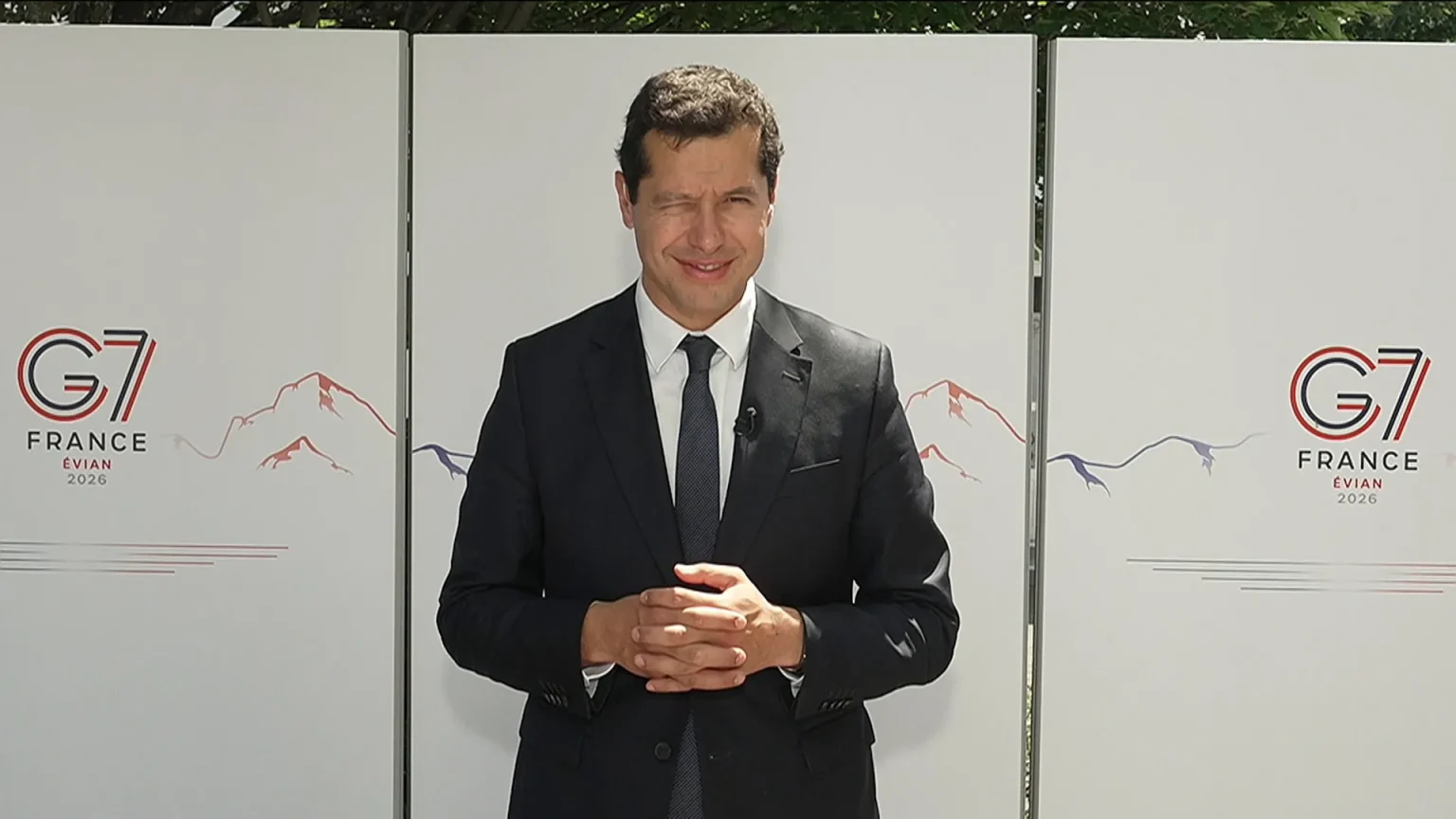
European and Gulf governments are racing to turn a tentative US-Iran agreement into practical steps to reopen the Strait of Hormuz and to reduce long-term dependence on the vital waterway, officials said. The effort coincides with the G7 summit in Evian, France, where leaders will weigh how to secure shipping, energy supplies and wider regional stability.
G7 summit in Evian pushes for implementation and oversight
President Donald Trump arrived in Evian on Monday to join G7 leaders at a summit that will include focused discussions on implementing a US-Iran understanding reportedly due to be signed in Switzerland next week. A French foreign ministry spokesman said participants will prioritize mechanisms to ensure the agreement is durable rather than merely symbolic.
According to reporting from the region, representatives from Egypt, Qatar and the United Arab Emirates will be present for talks on the margins of the summit to coordinate regional support and verification measures. Meanwhile, summit organizers have reinforced security along the French-Swiss border as heads of state converge at the lakeside resort.
Strait of Hormuz: reopening the waterway and seeking maritime alternatives
Reopening the Strait of Hormuz and guaranteeing fee-free passage have emerged as central objectives, officials and analysts said. France and the United Kingdom have indicated readiness to deploy naval assets, including minesweeping vessels, to facilitate the safe resumption of commercial traffic if political guarantees hold.
At the same time, European and Gulf states are exploring maritime alternatives and land-based routes to limit exposure to future shutdowns. Energy security planners and shipping groups note that roughly a quarter of global oil and gas trade transits the strait daily, so even short-term disruptions can have outsized economic effects.
Options under review range from increased use of existing pipelines that move crude from Gulf terminals to the Red Sea, to expanded bunker and storage capacity at strategic ports, to new bilateral arrangements that pre-position supplies outside the Gulf. Officials emphasize that scaling such alternatives requires time, investment and political coordination.
Naval measures and verification mechanisms
France and Britain have publicly signalled their willingness to take part in operational measures to restore safe navigation, according to foreign ministry statements. Those measures would likely include mine clearance, convoy escorts and coordinated patrols to reassure commercial shippers and insurers.
Diplomats at the summit will also debate verification frameworks to monitor Iranian compliance with the deal’s restrictions. Participants said these frameworks, coupled with a phased release of frozen Iranian assets, are intended to create incentives for long-term adherence while preserving leverage to respond to violations.
Confidence-building steps
Regional confidence-building proposals reportedly include third-party monitoring, stepped easing of sanctions tied to verifiable actions, and a Gulf-level security architecture to reduce the risk of escalation. Qatar has been involved in mediating technical aspects of frozen asset handling, according to briefings from officials familiar with the talks.
Economic stakes and implications for energy security
Market observers warn that any future closure of the Strait of Hormuz would threaten energy security, push up shipping costs and inject volatility into global commodity markets. European economies and Gulf exporters, which have already felt the effects of recent disruptions, see avoiding repeat damage as a key rationale for pushing a comprehensive settlement.
Analysts say that diversifying routes and building redundant capacity are costly and take years to realize. Therefore, short-term naval measures to protect shipping will likely sit alongside longer-term infrastructure projects designed to reduce strategic vulnerability.
Political challenges and regional dynamics
Diplomats caution that signing an agreement between Washington and Tehran is only a starting point. Implementation will require sustained diplomatic engagement, regional buy-in and credible enforcement mechanisms, all of which could be tested by domestic politics and rivalries in the Gulf.
European leaders have framed their role as guarantors and facilitators, seeking to translate a bilateral US-Iran understanding into a multilateral arrangement that can be sustained by a broader coalition, officials said. That approach aims to make any opening of the Strait of Hormuz less dependent on a single bilateral guarantee.
What to watch next
Officials expect the coming days to be decisive: the scheduled signing in Switzerland, the G7 discussions in Evian, and any subsequent operational plans from participating navies will set the immediate agenda. Observers will watch whether the agreement’s text includes clear timelines, verification clauses and contingency arrangements for re-escalation.
For markets and policymakers, the key indicators will be formal commitments by France and the UK on maritime operations, details of mechanisms for frozen assets handled via third-party channels, and early steps toward infrastructure projects that reduce reliance on the Strait of Hormuz. Further announcements are likely after the summit concludes and following the planned signing ceremony next week.