







US-Iran memorandum of understanding welcomed by Qatar cabinet
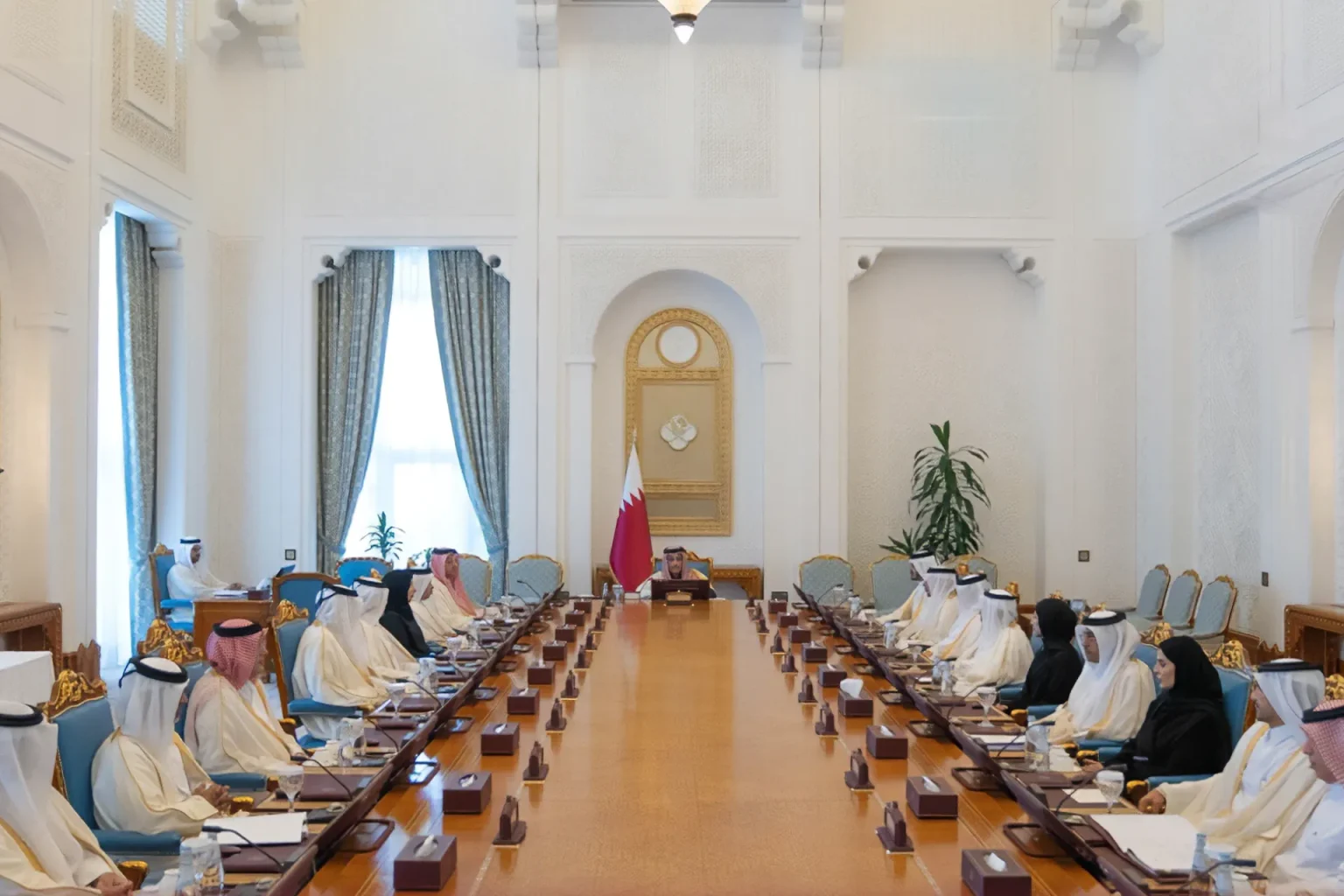
The Qatar cabinet on Wednesday renewed its welcome of the US-Iran memorandum of understanding, calling the pact a “crucial” step toward ending the conflict and restoring freedom of navigation in the Strait of Hormuz, according to the Qatar News Agency. The cabinet praised efforts by both Washington and Tehran to seek a peaceful resolution and noted the role of regional and international actors in reaching the understanding.
Details of the announcement and immediate reactions
Officials said the cabinet met midday and commended the diplomatic engagement that produced the memorandum of understanding, urging both parties to complete negotiations toward a comprehensive peace agreement. According to the official statement reported by QNA, Doha highlighted the importance of implementing the memorandum in the same constructive spirit that produced it.
The announcement follows a weekend statement that the United States, Iran and Pakistani mediators had reached a memorandum of understanding to halt hostilities that officials say began on Feb. 28. Reports indicate that formal details of the agreement are expected to be disclosed on Friday, and that the memorandum would lead to reopening the Strait of Hormuz and an end to the US-imposed restrictions on Iranian ports.
Qatar diplomacy and the role of Qatar’s leadership
The cabinet expressed pride in the role played by Qatar’s leadership, citing Emir Sheikh Tamim bin Hamad Al Thani and Qatari diplomatic efforts that supported Pakistan’s mediation. Qatar’s response frames the outcome as consistent with its longstanding policy favoring dialogue, mediation and peaceful dispute resolution, officials said.
Qatar diplomacy has in recent years positioned Doha as an interlocutor capable of engaging multiple capitals, and the cabinet statement credited those ties with helping create momentum toward a sustained truce. Furthermore, the government praised Pakistan and other regional actors for facilitating talks between Washington and Tehran.
Implications for the Strait of Hormuz and global trade
Reopening the Strait of Hormuz would carry immediate implications for maritime security and global energy markets, analysts say. The strait is a critical chokepoint for oil and gas shipments, and an agreement that restores safe passage would likely ease insurance costs and shipping delays that have disrupted trade since the conflict began.
Additionally, an end to restrictions on Iranian ports could reintegrate Tehran into regional shipping networks and reduce pressure on alternative supply routes. The cabinet’s statement highlighted the strategic importance of ensuring freedom of navigation and preserving regional stability, noting that those objectives underpin the broader diplomatic push.
Verification, enforcement and remaining hurdles
While the memorandum of understanding marks a significant diplomatic milestone, officials and analysts emphasize that verification and enforcement mechanisms remain key challenges. The cabinet urged both sides to continue negotiations to convert the memorandum into a comprehensive, implementable peace accord.
Verification procedures, timelines for troop or operational withdrawals, and arrangements to monitor compliance will shape whether a temporary cessation of hostilities becomes a sustainable settlement. Moreover, the participation of third-party guarantors or international observers could be necessary to build mutual confidence.
Regional and international response
Reports indicate that a range of regional and global actors contributed to the diplomatic breakthrough, and the Qatar cabinet publicly acknowledged that collective effort. U.S. and Iranian officials have both expressed willingness to finalize terms, and Pakistan’s mediation has been highlighted as instrumental in bridging gaps.
International stakeholders, including states with commercial and security interests in the Gulf, will be watching how the memorandum of understanding is implemented. Meanwhile, global markets and foreign ministries are expected to react once the full text becomes public and operational details are clarified.
What to watch next
Observers should look for the official release of the agreement text, expected on Friday, which will clarify timelines, security arrangements and port access conditions. Additionally, readers should monitor whether follow-up talks produce a comprehensive peace agreement and what verification measures are agreed upon by the parties.
Diplomatic sources say the next phase will involve technical committees and possible international participation to supervise implementation. Therefore, the coming days will be decisive in determining whether the memorandum of understanding leads to sustained de-escalation or remains an interim framework.
Conclusion and forward-looking note
Qatar’s cabinet framed the US-Iran memorandum of understanding as an important step toward ending hostilities and safeguarding freedom of navigation in the Strait of Hormuz. While the memorandum represents progress, officials and analysts caution that converting the deal into a durable peace will require detailed negotiations, verification mechanisms and regional cooperation.
Stakeholders should watch for the official publication of the agreement on Friday and subsequent diplomatic exchanges. The pace and transparency of implementation will determine whether this moment translates into lasting stability for the Gulf and improved security for global trade.