






US-Iran agreement welcomed in Gulf after electronic memorandum signed
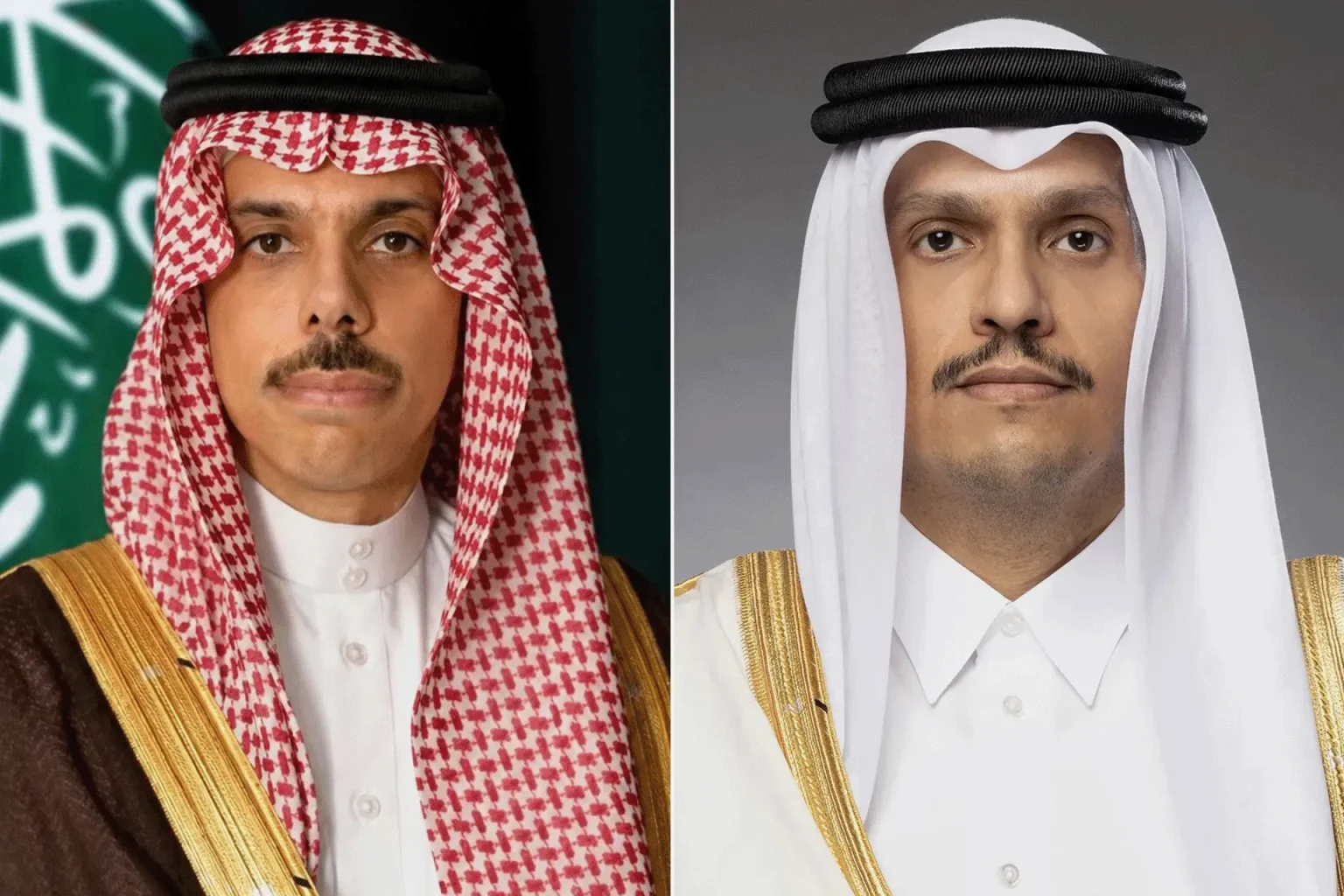
Qatar’s prime minister and foreign minister, Sheikh Mohammed bin Abdulrahman Al Thani, discussed the newly announced US-Iran agreement in a telephone call with Saudi Foreign Minister Faisal bin Farhan on Thursday, June 18, 2026. The call, officials said, reviewed the memorandum of understanding electronically signed by Washington and Tehran to halt military operations and open a 60-day window for detailed negotiations.
The Qatari Foreign Ministry said the leaders spoke about efforts to strengthen regional stability and the importance of diplomatic channels. The Saudi Foreign Ministry also issued a welcome statement, noting hopes that a durable ceasefire and negotiated settlement will enhance security for Gulf states and safeguard commercial shipping lanes.
Reaction to the US-Iran agreement
Both Doha and Riyadh publicly welcomed the agreement, according to official statements released on Thursday. Qatar emphasized its continued support for measures that promote regional stability through dialogue and peaceful means, while Saudi officials highlighted the need for any permanent deal to consider the security interests of countries in the region and respect state sovereignty.
Pakistan, which acted as mediator, confirmed earlier that the memorandum was signed electronically by the United States and the Islamic Republic of Iran. The mediator’s announcement said the understanding halts active military operations and commits both sides to more detailed talks over the next 60 days to reach a lasting accord, though full implementation details remain to be disclosed.
Qatar and Saudi cooperation and diplomatic context
Officials said the telephone call also reviewed bilateral cooperation between Qatar and Saudi Arabia and ways to bolster joint responses to new regional dynamics. Furthermore, Qatar reportedly reaffirmed its readiness to support mediation and de-escalation efforts, reflecting its ongoing role as a regional interlocutor in previous Gulf crises.
Analysts note that Gulf states will closely monitor compliance mechanisms and verification arrangements tied to the agreement, as well as guarantees on freedom of navigation through the Strait of Hormuz and the potential reopening of Iranian ports that were affected by recent restrictions.
Implications for Gulf security and the Strait of Hormuz
Immediate attention is expected to focus on Gulf security and the safety of commercial shipping in the Strait of Hormuz, a strategic chokepoint for global energy flows. The memorandum reportedly includes provisions intended to ensure freedom of navigation, which would ease short-term risks to tanker routes and regional trade if implemented as stated.
Economists and energy analysts said the agreement could temper volatility in oil and gas markets by reducing the likelihood of maritime incidents. However, they cautioned that confidence will depend on transparent monitoring and rapid de-escalation of proxy activity, sanctions relief timelines, and concrete steps to reopen ports and sea lanes.
Verification, challenges and regional responses
The terms announced so far are high level, and officials have noted that the detailed technical annexes and verification protocols will be crucial to lasting success. Observers point to several potential challenges: ensuring compliance by state and non-state actors, securing buy-in from other regional powers, and avoiding unilateral measures that could undermine talks.
Israel and other regional actors were not quoted in the immediate statements, and their responses will be significant for the agreement’s viability. Meanwhile, Gulf Cooperation Council members are likely to seek assurances that any broader settlement will respect their security concerns and include mechanisms to prevent renewed escalation.
Next steps and what to watch
Officials said the agreement’s detailed provisions are expected to be released formally on Friday, June 19, 2026, providing clarity on timelines, verification, and specific commitments such as reopening the Strait of Hormuz and lifting the blockade on certain Iranian ports. International observers and state ministries will review the text to assess compliance measures and sequencing.
Observers should watch for the composition of monitoring teams, the role of third-party guarantors, and whether the 60-day period for detailed negotiations produces a signed, enforceable treaty. Additionally, developments in export controls, sanctions relief, and maritime confidence-building measures will be key indicators of progress toward regional stability.
Conclusion and outlook
The US-Iran agreement marks a potentially significant step toward de-escalation in a region long affected by tensions. For Gulf states, the most immediate benefits would be reduced military risk and clearer guarantees for navigation through the Strait of Hormuz. However, the agreement’s long-term impact will depend on transparent verification, regional consultation, and timely implementation of the detailed measures expected to be published on Friday.
Readers should watch official texts, statements from regional capitals, and actions on the ground over the coming 60 days to judge whether the memorandum translates into a durable cessation of hostilities and a concrete enhancement of Gulf security and regional stability.