






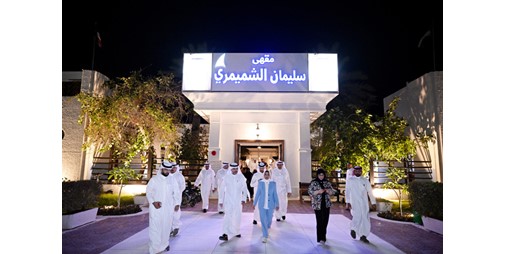

Al-Shamimari Cafe Reopens After Renovation
The Ministry of Social Affairs, Family and Childhood reopened the Al-Shamimari Cafe after a comprehensive refurbishment, officials said. The renovated Al-Shamimari Cafe reopened to the public this week in its traditional location, combining upgraded facilities with preserved heritage design. The move aims to enhance social facilities while retaining a distinctive Kuwaiti atmosphere for visitors.
Who Led the Project and What Was Done
Minister Dr. Amthal Al-Huwaila formally inaugurated the café following completion of the development work, according to a ministry statement. The refurbishment included structural upgrades, improved seating and service areas, and modernization of utilities to meet contemporary standards while keeping the venue’s historical character.
Undersecretary Dr. Khalid Al-Ajmi said the project is part of a broader plan to raise the quality and reach of heritage cafes across the country. Meanwhile, ministry officials emphasized that the upgrades were designed to make the café more accessible and comfortable for a wide range of patrons, including families, expatriates and youth.
Ministry Development Plan for Heritage Cafes
The renovation of Al-Shamimari Cafe is one component of a coordinated program led by the ministry and the board that manages traditional cafes. Officials said the plan aims to modernize service delivery in heritage cafes while preserving their cultural identity. Therefore, the program includes technical improvements, staff training and operational support for national cadres.
According to the ministry, the integrated plan will extend to additional locations with phased rollouts. Additionally, the ministry indicated that work is underway to finalize procedures for opening new cafes in several neighborhoods to broaden access to community social facilities and ensure optimal utilization of public assets.
Supporting Youth Employment and Local Management
As part of the modernization effort, the ministry intends to increase opportunities for young Kuwaiti professionals to participate in cafe management and operations. Officials said this emphasis on national cadres is meant to enhance service quality and build local capacity in the social facilities sector. Furthermore, training programs will target customer service, hygiene standards and heritage-sensitive operations.
Services, Cultural Role and Community Impact
Officials noted that heritage cafes serve as important social hubs that reflect Kuwaiti traditions and provide a setting for intergenerational interaction. The renovated Al-Shamimari Cafe will continue to host daily patrons and act as a community meeting point, according to the ministry. In addition, the venue will carry live broadcasts of major sporting events during regular opening hours, offering a social viewing experience for visitors.
The incorporation of cultural elements and communal activities is designed to attract diverse visitor groups while strengthening the cafes’ role as cultural anchors. Furthermore, the upgrades aim to balance modern amenities with traditional décor so the cafes remain recognizable social landmarks.
Main Keyword: Al-Shamimari Cafe and Its Significance
Al-Shamimari Cafe represents more than a dining spot; it embodies a strand of Kuwait’s social heritage and public life, officials said. The ministry has prioritized these heritage cafes because they function as informal civic spaces where community ties are reinforced. Therefore, preserving their character while improving service standards is central to the ministry’s strategy for social infrastructure.
The ministry’s approach emphasizes a dual objective: maintain historical features that define these venues, and introduce service upgrades that respond to contemporary needs. According to officials, this strategy helps sustain patronage and ensures heritage cafes remain relevant to younger generations.
Operational Details and Visitor Experience
Following the reopening, the Al-Shamimari Cafe will welcome both citizens and expatriates, ministry communications confirmed. Patrons can expect an updated layout, improved ventilation and seating, and enhanced sanitation measures consistent with public health guidelines. Additionally, the cafe will offer free screenings of World Cup matches during its regular hours, supporting community engagement during major sporting events.
In practice, the refreshed services are intended to extend dwell time, encourage social interaction and support small-scale economic activity around the cafe. The ministry also said it will monitor visitor feedback and operational performance to guide future improvements across other heritage cafes.
What to Watch Next: Expansion and Future Projects
The ministry indicated that Al-Shamimari Cafe’s reopening is an early milestone in a broader redevelopment timeline. Officials said they will continue coordinating with relevant agencies to expedite approvals and logistical arrangements for new cafe sites. While specific dates were not disclosed, the ministry suggested that additional openings are expected in the coming months, subject to planning and resource allocation.
Observers should watch for announcements regarding site selections, staffing initiatives for national cadres, and phased renovation schedules for other heritage cafes. Meanwhile, follow-up reports from the ministry will likely outline performance indicators and community response metrics used to evaluate the program’s effectiveness.
Conclusion and Next Steps
The refurbishment of Al-Shamimari Cafe reflects a targeted effort by the Ministry of Social Affairs, Family and Childhood to modernize social facilities while preserving cultural identity. Officials said the project will be followed by further renovations and new openings aimed at expanding community access. Readers should expect additional ministry updates on project timelines, new locations and training programs designed to bolster the operational capacity of heritage cafes.
For now, the renovated Al-Shamimari Cafe is open to the public and serves as a pilot for the ministry’s wider initiative to revitalize Kuwait’s traditional social spaces and enhance their role in community life.