







Politics: Current Developments and Key Players
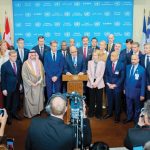
Officials and party leaders met this week in the capital to address a series of unfolding events that have reshaped the national politics landscape. The discussions focused on legislative priorities, cross-party negotiations, and immediate responses to public concerns, according to briefings from government offices. Observers say the meetings mark a shift in tone among key actors and set the stage for decisions expected in the coming weeks.
Who attended and what emerged were outlined in official statements and press briefings, which indicated that senior ministers, opposition spokespeople, and regulatory authorities participated. The sessions took place amid growing public attention to policy outcomes, and they were reported by national outlets and independent analysts. Meanwhile, civic groups and local stakeholders released recommendations that officials acknowledged during the meetings.
Government Response and Policy Implications
Government sources said the immediate priorities include revising policy frameworks and accelerating certain legislative processes. In response, ministers detailed a roadmap to consult with parliamentary committees and to solicit expert input from academic and industry representatives. Therefore, the administration is positioning its approach as consultative while emphasizing the need for timely action.
Policy analysts pointed out that the proposed measures would affect regulatory timelines and resource allocation across ministries. Additionally, the administration’s plan addresses economic concerns raised by business associations and social service providers, according to public statements. Officials insisted the proposals aim to balance fiscal discipline with targeted investments, although details remain under discussion.
Policy Proposals and Consultation
According to a ministry statement, the next phase will include public consultations and impact assessments. Experts said these steps are standard practice but noted that the compressed schedule could limit comprehensive stakeholder input. Furthermore, watchdog groups signaled they will monitor the consultation process to ensure transparency.
Election Impact and Public Reaction
With an eye toward upcoming electoral cycles, party strategists and civic pollsters assessed how recent developments could reshape voter priorities. Campaign teams have already adjusted messaging to emphasize governance, accountability, and policy delivery, sources within parties said. In contrast, grassroots movements are amplifying calls for clearer timelines and measurable commitments.
Public reaction has been mixed, with some civic organizations praising the government’s willingness to engage and others urging greater independence for oversight bodies. Meanwhile, local media coverage highlighted discrepancies between official timelines and on-the-ground experiences reported by communities. Analysts noted that shifts in public sentiment could influence party positioning ahead of the next ballots.
International Diplomacy and External Stakeholders
Foreign governments and international institutions responded cautiously, stressing the importance of stable governance and adherence to international commitments. Diplomatic channels have encouraged constructive dialogue and have offered technical support for implementation of agreed reforms, according to diplomatic notes and public records. Therefore, external partners emphasized continuity and predictability in bilateral and multilateral relations.
Trade associations and multinational investors monitored statements from officials, weighing the potential impact on investment climate and regulatory certainty. Additionally, regional organizations expressed interest in coordinating on cross-border issues that could be affected by domestic policy shifts. Observers suggested that maintaining open diplomatic lines will be crucial in the weeks ahead.
Analysis: Why This Matters for Politics and Governance
The current sequence of events matters because it will shape immediate governance choices and longer-term institutional arrangements. Analysts argue that the way the government navigates consultations, legislative adjustments, and public expectations will influence trust in public institutions. Furthermore, the alignment between rhetoric and action is likely to determine whether stakeholders perceive changes as substantive or symbolic.
Experts note that decisions on resource prioritization, regulatory reform, and oversight mechanisms will have cascading effects on economic planning and social programs. In addition, how parties manage internal dissent and coalition dynamics could affect the stability of governing arrangements. According to analysts, these dynamics are central to understanding the evolving political environment.
What to Watch Next
Officials said they expect to publish a detailed timetable for consultations and legislative steps in the coming weeks, which will be a key indicator of momentum. Therefore, readers should watch for official releases from the relevant ministries and for parliamentary committee schedules. Additionally, independent watchdogs and civil society organizations will likely report on consultation processes and transparency measures.
Observers recommend monitoring three areas closely: the government’s finalized policy packages, opposition responses and amendments, and the degree of public engagement during consultations. Meanwhile, international partners may update their positions based on how domestic actions align with prior commitments. The next formal milestones are expected to provide clearer insight into the likely course of action.
In conclusion, current developments reflect a phase of active decision-making that will test the effectiveness of government policy-making and cross-party cooperation. Stakeholders should expect a series of consultations, legislative reviews, and public communications over the next month. Ultimately, the pace and transparency of these steps will shape public perception and the broader political trajectory.