




Arab Parliamentary Union conference opens under Saudi patronage
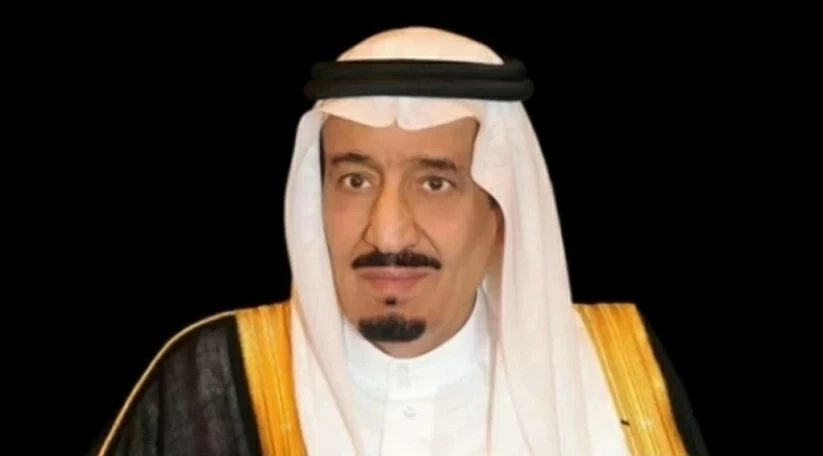
The 39th Arab Parliamentary Union conference opened today under the patronage of King Salman bin Abdulaziz Al Saud and with support from Crown Prince Mohammed bin Salman. Organized by the Shura Council and the Arab Parliamentary Union, the meeting convened virtually and brought together presidents of Arab parliaments, legislative council leaders, and representatives of regional and international organizations. The Arab Parliamentary Union conference set out a program focused on regional stability and parliamentary coordination.
Main agenda: stability, Palestinian statehood and parliamentary coordination
Conference organizers said the agenda emphasizes a “Vision for a More Stable and Sustainable Future” and places the Palestinian issue at the center of deliberations. Delegates reviewed reports from the 38th session and the Arab Parliamentary Union secretariat, and received recommendations from the executive committee and a special Palestine committee. Participants stressed that parliamentary diplomacy should support a two-state solution and international efforts toward Palestinian statehood, according to official briefings.
Key participants and organizational leadership
Sheikh Dr. Abdullah bin Mohammed bin Ibrahim Al Sheikh, Speaker of the Shura Council and President of the Arab Parliamentary Union, presided over the opening session. The conference included incoming and current speakers such as the newly appointed Speaker of Egypt’s House of Representatives, Hisham Badawi, Iraq’s Speaker Mohammed al-Halbousi, and Jordan’s Speaker Mazen al-Qadi. The Shura Council delegation was led by Deputy Speaker Dr. Mishaal bin Fahm al-Sulami and included senior council officials and members who are also part of the Union’s executive committee.
Regional security, maritime routes and Iranian threats
Delegates discussed collective Arab responsibility for security and sovereignty, with an emphasis on preventing external interference and protecting territorial integrity. In that context, the participants affirmed the strategic importance of international shipping lanes and chokepoints, notably the Strait of Hormuz, for global trade and energy flows. Conference statements highlighted concerns about missile and drone threats attributed to Iran and called for restraint, respect for sovereignty, and the peaceful resolution of disputes, according to released summaries.
Saudi humanitarian, environmental and development initiatives
Speakers reviewed the Kingdom of Saudi Arabia’s recent humanitarian and environmental efforts that were presented as models for regional cooperation. Officials pointed to the work of the King Salman Humanitarian Aid and Relief Center and Saudi-led international diplomacy to revive political tracks, including those related to the Israeli-Palestinian conflict. Delegates also examined Saudi initiatives such as the Saudi Green and Middle East Green projects as practical steps toward climate resilience and sustainable development that parliaments can support through legislation and oversight.
Decisions, reports and parliamentary recommendations
The conference ratified the reports of the 39th session and confirmed outcomes from the Union’s exceptional 40th session and the 41st and 42nd executive committee meetings. Officials said the assembly adopted a set of recommendations aimed at strengthening Arab parliamentary cooperation, enhancing legislative responses to crises, and coordinating humanitarian assistance. A committee report on Palestine was forwarded with calls for intensified international engagement and increased parliamentary diplomacy to encourage wider recognition of Palestinian rights.
Implications for Arab parliamentary cooperation and regional diplomacy
Experts and participants noted that the Arab Parliamentary Union conference could increase parliamentary influence on regional policy by aligning legislative priorities across member states. Strengthening parliamentary diplomacy is intended to complement executive-level initiatives and provide sustained pressure for peaceful conflict resolution. Furthermore, collaborative oversight of development and climate programs could accelerate legal reforms needed to implement regional sustainability goals.
How parliaments may act next
Delegates suggested that national parliaments adopt coordinated motions, increase interparliamentary delegations, and support joint fact-finding missions to conflict zones. These steps are expected to enhance information sharing and create common legislative frameworks for humanitarian assistance, climate action, and maritime security, conference sources indicated.
Context and background: what led to the virtual meeting
The decision to hold the session virtually reflected continuing regional challenges and a desire to maintain continuity in multilateral parliamentary work. Organizers credited the prior presidency for its preparatory role and thanked the Union’s secretariat for logistical and substantive support. The virtual format allowed broad participation by parliamentary leaders and representatives of international organizations despite travel constraints.
Conclusion: next steps and what to watch
The Arab Parliamentary Union conference concluded with an agreement to pursue follow-up on the executive committee recommendations and to intensify parliamentary engagement on the Palestinian question, maritime security, and sustainable development. Observers should watch for joint parliamentary declarations, coordinated legislative proposals across member states, and the scheduling of in-person follow-up sessions later in the year. The Union’s next actions will indicate whether parliamentary coordination can translate into tangible policy shifts across the region.