






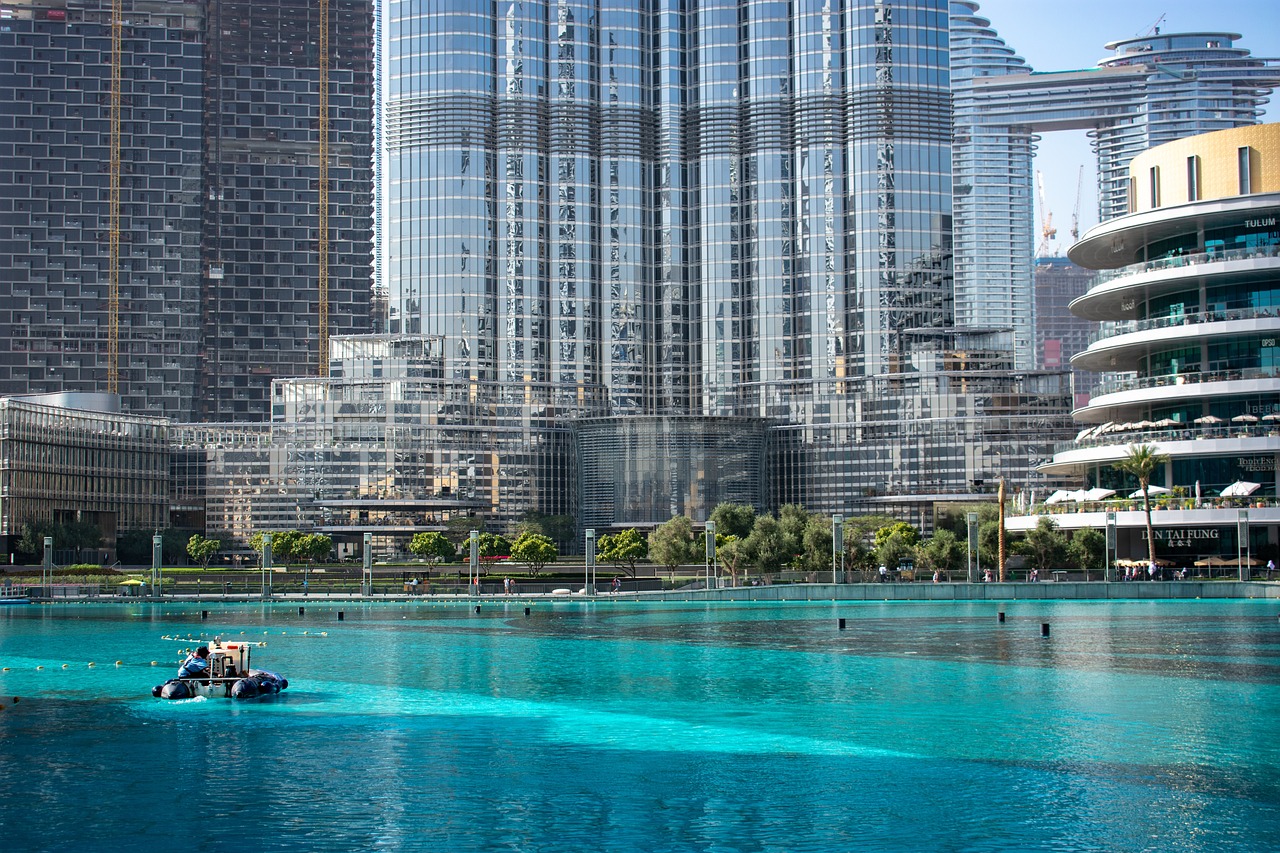

An overview of the structural and cyclical factors that can support further price appreciation in Dubai’s residential and commercial property markets.
Introduction
Dubai has emerged over the last two decades as a global property market with distinct dynamics: a relatively small land mass, fast-paced development, high international demand, and a regulatory environment that actively attracts foreign capital. While property markets are cyclical by nature, several structural drivers and recent policy changes suggest that prices in Dubai could continue upward for the medium term.
Key Drivers Supporting Continued Price Growth
- Population and Workforce Growth: Dubai’s population has consistently expanded due to in-migration of professionals, entrepreneurs and service workers. More residents and a rising number of households increase housing demand across segments from rental units to high-end villas.
- Visa Reforms and Greater Residency Stability: Long-term residency options (e.g., investor and talent visas) and more flexible work-related immigration policies make buying property more attractive to expatriates who previously preferred renting.
- Strong International Demand: Dubai is positioned as a regional hub for business, tourism and lifestyle. The city attracts international buyers seeking a combination of safety, quality of life, tax advantages and relatively transparent property ownership in designated areas.
- Limited Land and Strategic Urban Planning: Prime locations are finite. Large-scale infrastructure projects and masterplans cluster demand around a limited number of waterfronts, downtown districts and newly developed hubs, which supports premium pricing.
- Government-Led Infrastructure and Mega Projects: Investments in transport, airports, ports and iconic developments enhance accessibility and desirability of surrounding properties. Projects that extend the city’s economic base or tourism capacity can lift property values across multiple neighborhoods.
- Pro-Investor Regulatory Environment: Clear freehold ownership rules in many areas, streamlined transaction systems, growing transparency, and ongoing initiatives to protect buyers and lenders attract international capital and boost confidence.
- Favorable Tax Environment: Absence of personal income tax and relatively investor-friendly corporate tax policies (for certain activities) make direct property investment and rental income attractive compared with many alternative jurisdictions.
- Strong Tourism and Short-Term Rental Demand: Dubai’s robust tourism sector supports demand for short-stay accommodation and serviced apartments, improving yield prospects for certain types of properties and attracting yield-seeking investors.
- Liquidity and Capital Flows: Dubai’s role as a regional financial and trade hub channels global capital into real assets. When international investors view Dubai as a safe or strategic allocation, additional buying pressure can support prices.
Market Mechanics and Investor Behavior
Investor expectations and financing conditions matter. When buyers anticipate appreciation and mortgages are accessible, transactions accelerate, which can create momentum in pricing. Developers in Dubai often deliver high-quality product quickly; however, demand frequently absorbs new supply in well-located projects. This balance between timely delivery and steady demand can sustain upward pressure on prices in desirable segments.
Sectoral Impacts—Where Growth May Be Strongest
- Prime waterfront and downtown apartments typically outperform secondary locations due to limited substitutes and international appeal.
- Luxury villas and gated communities can see sharp appreciation when lifestyle demand rises from high-net-worth individuals.
- Commercial real estate in strategic logistics, office hubs and retail centers benefits from economic diversification and rising business presence.
Risks and Why Caution Still Matters
While there are many supportive factors, several risks could moderate or reverse price gains. These include global interest rate movements that raise mortgage costs, potential oversupply in specific segments, slower global growth that reduces foreign demand, and local policy shifts. Prudent investors therefore monitor supply pipelines, financing conditions, rental yield trends, and macroeconomic indicators.
Conclusion
Dubai’s real estate market combines structural tailwinds—population growth, international demand, strategic infrastructure and investor-friendly policies—with cyclical dynamics that can amplify price moves. These elements together suggest a credible case for continued price appreciation in many parts of the market, particularly prime locations and asset classes tied to tourism and high-net-worth demand. That said, potential investors should weigh timing, financing risks and segment-specific supply when forming expectations.