





Conjoined twins separation conducted in Abu Dhabi saves two Nigerian infants
Abu Dhabi medical teams completed a successful conjoined twins separation this month, performing a complex cranial operation that separated two Nigerian girls joined at the head. The conjoined twins separation was carried out at Sheikh Khalifa Medical City, part of the PureHealth group, after multidisciplinary planning and several staged procedures, officials said.
The patients, both about 15 months old, were born in Nigeria with fused skulls, shared brain tissue and entangled vascular structures. Over six months the pair underwent a series of four operations involving more than 60 specialists from the United Arab Emirates, the United Kingdom, Brazil and Nigeria, according to hospital statements.
How the conjoined twins separation was planned and executed
Surgeons relied on advanced imaging, virtual reality collaboration, augmented-reality simulation and 3D printing to map the twins’ delicate neurovascular anatomy. These tools allowed teams to rehearse the separation virtually and to design patient-specific titanium implants reconstructed with 3D printing for subsequent cranial repair, officials said.
Staged surgery reduced risk by gradually expanding tissue and protecting brain structures, while computer modelling and artificial intelligence-supported planning refined each surgical step. Meanwhile, remote collaboration enabled specialists at Great Ormond Street Hospital and partners at a Zayed-linked research centre to contribute to simulation and modelling efforts in real time.
Multidisciplinary international team and institutional roles
The operation was coordinated with the UK-based charity Gemini Untwined, which specializes in treating craniopagus twins, and led by Professor Noor Oweis Gilani, a pediatric neurosurgeon associated with Great Ormond Street, according to charity and hospital releases. PureHealth and Sheikh Khalifa Medical City provided the clinical setting and infrastructure for the full course of treatment.
Officials including Reem bint Ibrahim Al-Hashimy, Minister of State for International Cooperation, welcomed the achievement as an expression of Abu Dhabi’s medical capabilities and humanitarian outreach. Mansour Ibrahim Al Mansouri, head of the Department of Health – Abu Dhabi, said the outcome demonstrates the emirate’s advanced infrastructure and readiness to manage highly complex pediatric neurological cases.
Technology, safety and clinical outcomes
Hospital statements indicate the surgical program used hybrid reality techniques to design implants and to enhance intraoperative navigation, reducing the need for extensive tissue grafting. The approach combined protective strategies for brain tissue, gravity-assisted brain protection and gradual tissue expansion to reach the fastest documented separation for vertically joined craniopagus twins, officials said.
After final reconstruction, the teams implanted custom 3D-printed titanium grafts to reshape the skulls. For the first time since the last operation, the children were reportedly able to see each other face to face and interact, a milestone in immediate postoperative recovery. Both patients remain under observation and are participating in a structured rehabilitation plan to support motor development and independent movement.
Rehabilitation, follow-up and return plans
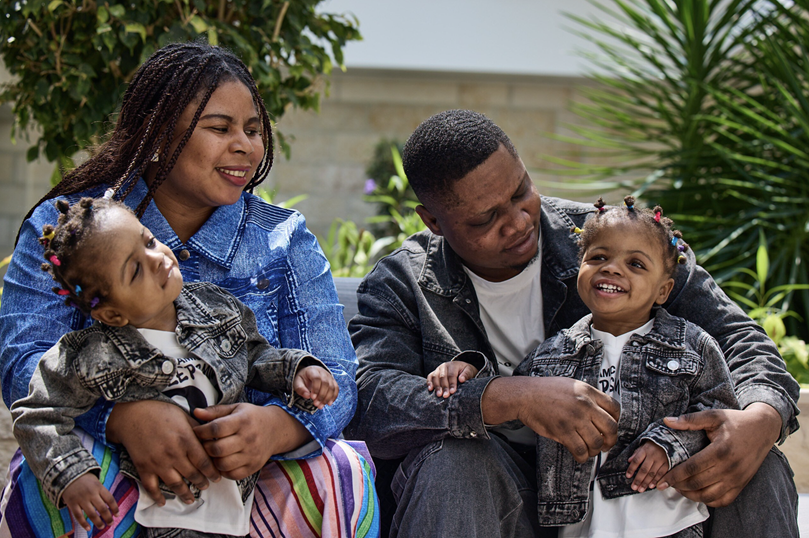
Following the conjoined twins separation, the girls—referred to by officials as Mercy and Goodness—entered a comprehensive rehabilitation program in Abu Dhabi. The regimen includes physical therapy, pediatric neurology follow-up and supportive care to monitor neurodevelopmental milestones, hospital communications state.
Officials said the plan anticipates continued outpatient follow-up and eventual transfer back to Nigeria when the medical team and families agree that recovery milestones have been met. Authorities added that international partnerships will support longer-term surveillance, specialist appointments and local capacity building.
Implications for Abu Dhabi healthcare and global neurosurgery
Medical leaders framed the case as evidence of Abu Dhabi’s expanding role in complex care and global health collaboration. The initiative combined philanthropic coordination, public and private health resources, and international clinical expertise to treat a rare and high-risk condition, according to public statements.
Secondary keywords such as Abu Dhabi healthcare and 3D printing surgery reflect broader trends: health systems increasingly use additive manufacturing, virtual planning and AI-assisted modelling to reduce surgical risk in pediatric neurosurgery. Observers say the case may influence protocols for future craniopagus separations and training for multidisciplinary teams.
What to watch next
Readers should monitor official updates for details on neurological assessments, discharge timing and the twins’ progress after repatriation. Health authorities said research data from the case will inform best practices in staged separations and rehabilitation, and that follow-up reports may be shared with international partners to improve outcomes.
In sum, the conjoined twins separation in Abu Dhabi highlights the convergence of specialized charity coordination, advanced surgical technology and international clinical collaboration. The immediate focus remains on the twins’ recovery and long-term neurodevelopmental support as teams prepare for their eventual return to Nigeria.