






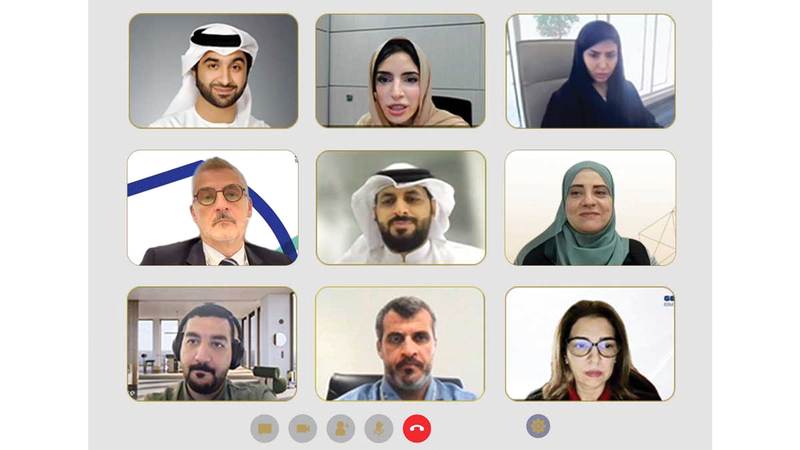

The Ministry of Higher Education and Scientific Research recently held a virtual workshop titled “Integration with the industrial sector” that brought together 40 representatives from universities, the industrial sector and other economic actors. The session aimed to explore practical mechanisms for integrating industry exposure into continuous professional development for academic staff and to strengthen links between higher education and workplace demands.
The workshop formed part of the Future Jobs and Skills working group under the Higher Education and Future Skills Advisory Committee, and officials said the focus was on upgrading academic programmes, supporting applied research and improving graduates’ readiness for skills for the future.
Integration with the industrial sector: workshop overview
Participants discussed how integration with the industrial sector can be embedded as a routine element of faculty development. According to the ministry, the meeting reviewed international and local models of continuous professional development and assessed frameworks that could be adapted to national priorities.
Speakers included Ibrahim Fikri, Assistant Undersecretary for Regulation and Governance of Higher Education and Scientific Research, and Dr. Mariam Al Hindi, Director of Technical Excellence at ADNOC and chair of the working group. They outlined the rationale for closer ties between universities and employers and highlighted examples such as site visits, secondments and joint research projects.
Designing continuous professional development and workplace experience
Officials and participants emphasized that continuous professional development should include dedicated hours for direct interaction with industry. Therefore, faculty workplace experience was presented as a key lever to align curricula with evolving sector needs, officials said.
Workshop discussions covered a proposed framework that would allocate specific training hours for academic staff to engage in industry placements, collaborative projects and applied research. Furthermore, attendees considered how platforms such as the national skills portal could support matching faculty expertise with employer requirements.
Policy implications for higher education institutions and industry partnerships
Panelists evaluated how integration with the industrial sector would affect programme design, assessment and accreditation. They argued that stronger industry partnerships would encourage higher education institutions to update teaching methods, adopt new technologies and embed workplace-relevant competencies in course outcomes.
Meanwhile, participants stressed the need for institutional coordination mechanisms between universities and employers to ensure sustainable collaboration. They also recommended monitoring and evaluation measures to track the impact of industry engagement on graduate employability and applied research outputs.
Implementing practical models and international best practices
The group reviewed leading international frameworks and discussed adapting best practices to the UAE context. Dr. Al Hindi said the aim is to develop an Emirati model that draws on global examples while responding to national economic priorities, according to official statements.
Models under consideration included structured faculty secondments to industrial workplaces, co-supervised research projects, and recurring field visits that allow instructors to observe contemporary practices. Such approaches are intended to refresh instructors’ technical knowledge and improve the relevance of classroom instruction.
Measuring outcomes and ensuring sustainability
Participants debated indicators for success, arguing that measurable outcomes should include improved graduate placement rates, increased applied research collaborations and higher employer satisfaction with graduates’ skills. Therefore, the workshop underscored the importance of data-driven follow-up and regular review of the professional development framework.
There was also discussion about incentivizing industry participation, for example through formal partnerships, funding for joint projects, and recognition mechanisms for employers who host faculty and students.
Next steps and what to watch for
The ministry indicated that follow-up work will focus on drafting a pilot framework that assigns practical interaction hours within continuous professional development for academic staff. Officials said the working group will continue to refine the proposal and coordinate with universities and industry representatives to test approaches.
Stakeholders should watch for ministry announcements about pilot programmes, timelines for implementation and guidelines for the planned coordination and monitoring platform. If adopted, the framework could position the UAE to expand industry-informed higher education and strengthen pathways to employment.
In conclusion, the workshop signalled a policy shift toward closer alignment between academic instruction and labour-market needs. Moving forward, the next steps will be the development of a pilot framework, stakeholder coordination and evaluation measures to ensure that integration with the industrial sector produces tangible benefits for students, faculty and the national economy.