






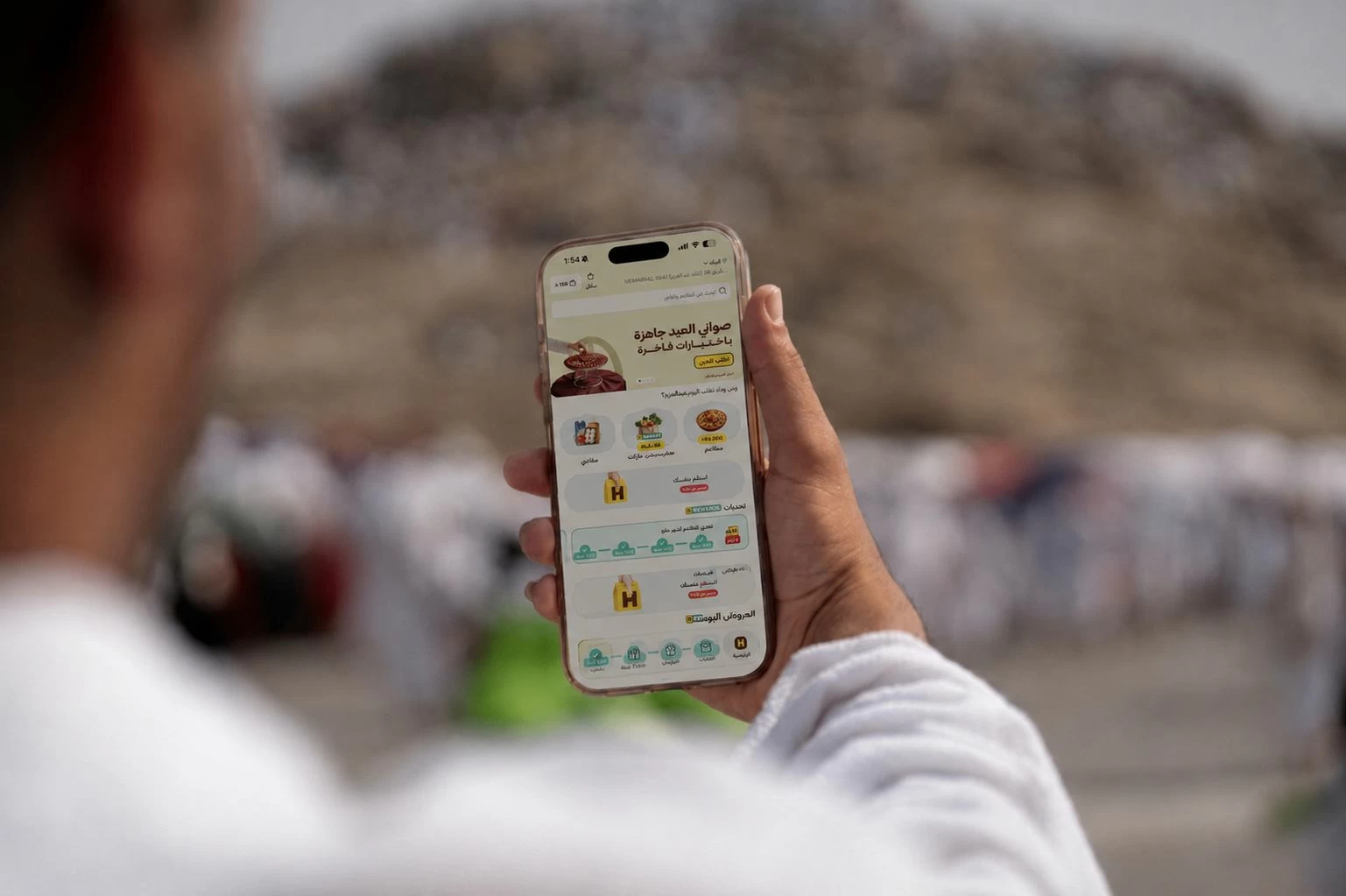

مشاركة هنقرستيشن في حج 1447هـ: خدمات رقمية واستعداد مبكر
مشاركة هنقرستيشن في حج 1447هـ brings the food delivery platform’s logistical and digital capabilities to the pilgrimage season in Saudi Arabia. The company said it will deploy targeted digital solutions and staff coordination during Hajj 1447هـ in and around Mecca, according to a company statement released ahead of the season. Officials noted the initiative aims to complement existing services for pilgrims and to operate in partnership with local authorities.
The deployment covers the main Hajj sites in the Makkah region and is scheduled to run throughout the official pilgrimage period in 1447هـ. Meanwhile, provincial and municipal agencies will oversee permits and operating corridors, the statement indicated. Therefore, the engagement is framed as an operational support effort rather than a standalone commercial campaign.
حلول رقمية لتسهيل خدمة ضيوف الرحمن
Henqrestation’s participation will emphasize digital solutions designed to reduce wait times and improve access to food services for pilgrims. The platform plans route optimization, real-time order tracking, and load balancing on peak days, according to the company’s technical brief. Furthermore, these digital measures are meant to integrate with crowd-management data supplied by local authorities where feasible.
Additionally, the use of mobile-friendly interfaces and multi-language support was mentioned as part of the accessibility push. Officials said that deploying scalable cloud services and temporary network arrangements can help maintain service levels during surges. Therefore, the project highlights how digital solutions can be adapted to dense, time-bound events like Hajj.
Operational features and user experience
Among the operational features expected are designated pickup zones, priority queuing for vulnerable pilgrims, and a simplified ordering flow to reduce processing time. The platform indicated that trained local teams will staff service points and coordinate with municipal volunteers. In contrast to regular service areas, Hajj operations require closer alignment with health, safety, and crowd-control rules, officials noted.
شراكات وطنية وتنسيق مع الجهات الرسمية
The plan rests on national partnerships with government bodies, local suppliers, and non-profit volunteer groups, reflecting a multi-stakeholder approach. According to statements from involved parties, these national partnerships seek to ensure compliance with regulations, hygiene standards, and logistical access. Therefore, the model combines private-sector flexibility with public-sector oversight.
The platform stated it has engaged local food vendors and logistics providers to meet demand peaks without disrupting municipal services. Meanwhile, municipal and health authorities will monitor adherence to food safety and crowd management protocols. Furthermore, the organizers said coordination meetings have taken place to align responsibilities and escalation channels prior to the pilgrimage dates.
التحديات والاشتراطات التشغيلية
Operating during Hajj poses unique challenges, including tight security requirements, movement restrictions, and variable network connectivity in crowded areas. The company acknowledged these constraints in its preparatory documents and said contingency plans are in place for communications and power disruptions. Officials cautioned that final operational details remain subject to regulatory approvals and on-the-ground conditions.
Additionally, the need to balance commercial activity with the sanctity of religious rituals requires careful scheduling and clear guidelines, according to ministry sources. Therefore, the initiative emphasizes auxiliary support—such as hydration points and ready-to-eat options—over aggressive marketing. The approach aims to respect pilgrimage norms while delivering necessary services.
Compliance, safety and monitoring
Health and safety measures will include food-safety certification for participating vendors and routine inspections in collaboration with health authorities. Reports indicate that monitoring dashboards and incident reporting lines will be available to officials to track performance and respond to issues. Meanwhile, user feedback channels will be open to pilgrims to flag service problems in real time.
تأثير المشاركة وما يجب مراقبته لاحقاً
The short-term impact is likely to be operational relief for overloaded food-service points and improved access to meals during peak rituals, officials suggested. Over the medium term, organizers say the project could inform how digital platforms support mass gatherings and emergency logistics in Saudi Arabia. Therefore, lessons learned during Hajj 1447هـ may influence future public-private collaborations.
Metrics to watch after the season include average delivery times, user satisfaction scores, incident reports, and compliance findings from oversight agencies. The company intends to publish a post-season review, according to its statement, while regulatory bodies may release their assessments separately. Furthermore, stakeholders will examine whether the temporary measures can scale or be institutionalized for subsequent seasons.
الخلاصة والخطوة القادمة
In summary, مشاركة هنقرستيشن في حج 1447هـ represents a deliberate effort to apply digital solutions and national partnerships to support pilgrims’ needs. The initiative combines route and order optimization with local vendor engagement and official oversight, according to participating parties. Therefore, it reflects a growing trend of integrating private digital services into large-scale public events.
Readers should watch for the formal operating guidelines and any post-Hajj reports expected in the weeks following the pilgrimage period. Next steps include regulatory sign-offs, operational drills, and the on-the-ground rollout during Hajj 1447هـ. Meanwhile, the post-season evaluation will indicate whether this model will be refined or expanded for future pilgrimages.