







Right to housing: Response and protections
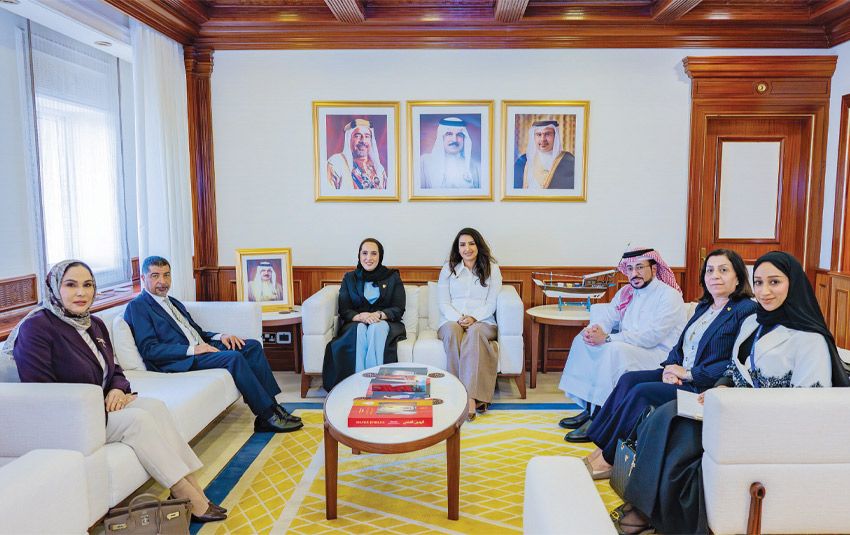
The National Institution for Human Rights and the Ministry of Housing and Urban Planning met recently to coordinate relief after a series of strikes that damaged residential areas in Bahrain, focusing on the right to housing for affected citizens and residents. The meeting reviewed emergency accommodations, repair plans and legal safeguards to ensure displaced families receive prompt housing assistance, officials said.
During the session, the ministry outlined measures to restore damaged homes and secure temporary shelter while ensuring compliance with national law and international human rights standards. Furthermore, the institution emphasized monitoring to prevent secondary harms and to protect vulnerable groups during recovery.
Who met, where and what was presented
Officials said the discussions were led by Ali Ahmad Al-Darazi, president of the National Institution for Human Rights, and Amina bint Ahmed Al-Rumaihi, Minister of Housing and Urban Planning, with participation from senior ministry officials and members of the institution’s board. The meeting took place in the ministry offices and included a detailed presentation by the ministry on their operational response to the Iranian attacks that affected multiple neighborhoods.
The ministry presented a timeline for immediate repairs, criteria for prioritizing damaged properties, and standards for providing alternative accommodation. Additionally, attendees reviewed communication channels for reporting damage and accessing housing assistance, according to institutional statements.
Coordination and field verification by rights monitors
Following the briefing, a delegation from the National Institution for Human Rights conducted field visits to households that sustained damage, meeting randomly selected families to assess material losses and human impacts. The delegation reported on physical injuries, psychological effects and short-term needs based on direct testimonies from residents, the institution said.
Meanwhile, the delegation praised the swift action of emergency teams, civil defence, health authorities and social services that provided immediate medical care, humanitarian aid and temporary shelter. The field verification is intended to inform national coordination and to identify any gaps in service delivery.
Measures to protect civilians and ensure housing assistance
Officials described a set of measures to protect civilian rights and expedite housing assistance, including fast-track repair permits, emergency funding for repairs, and allocation of temporary housing units. The ministry stated that these steps aim to reduce displacement duration and preserve family stability while permanent solutions are implemented.
Additionally, the institution urged continued documentation of damages and transparent criteria for compensation to ensure equitable treatment. In this context, the right to housing remains a central concern guiding recovery priorities and individual case management.
Support services and vulnerable groups
Authorities emphasized targeted support for vulnerable groups, such as families with medical needs, people with disabilities and low-income households. Therefore, social protection teams and local authorities will coordinate to tailor assistance packages that combine housing, medical care and psychosocial support.
Furthermore, officials said that referral pathways are in place to connect affected individuals with counselling, rehabilitation and legal aid where required, in line with the institution’s recommendations.
Accountability, standards and future monitoring
Both institutions stressed the importance of documenting violations and compiling evidence to uphold accountability and protect civilian safety under international norms. The National Institution for Human Rights indicated it will maintain ongoing monitoring of the humanitarian effects and report any suspected breaches of citizens’ rights.
Furthermore, the ministry signalled commitment to align reconstruction work with national regulations and global human rights benchmarks. Officials added that transparent reporting and cross-agency coordination are priorities to prevent protracted displacement and to restore affected communities promptly.
What to watch next
Looking ahead, observers should expect periodic updates from both the ministry and the National Institution for Human Rights on repair progress, housing allocations and any emerging protection issues. The institutions said they plan follow-up visits and will publish findings to inform policy adjustments and resource allocation.
Therefore, the immediate next steps are the completion of damage assessments, roll-out of temporary housing assistance and the establishment of a timetable for home repairs. Readers should watch for official statements outlining compensation frameworks and timelines for returning families to rebuilt homes.
In conclusion, officials maintain that coordinated action, ongoing monitoring and adherence to human rights standards will guide recovery efforts. The continued collaboration between the ministry and the rights institution aims to safeguard the right to housing while addressing the wider humanitarian needs stemming from the attacks.