





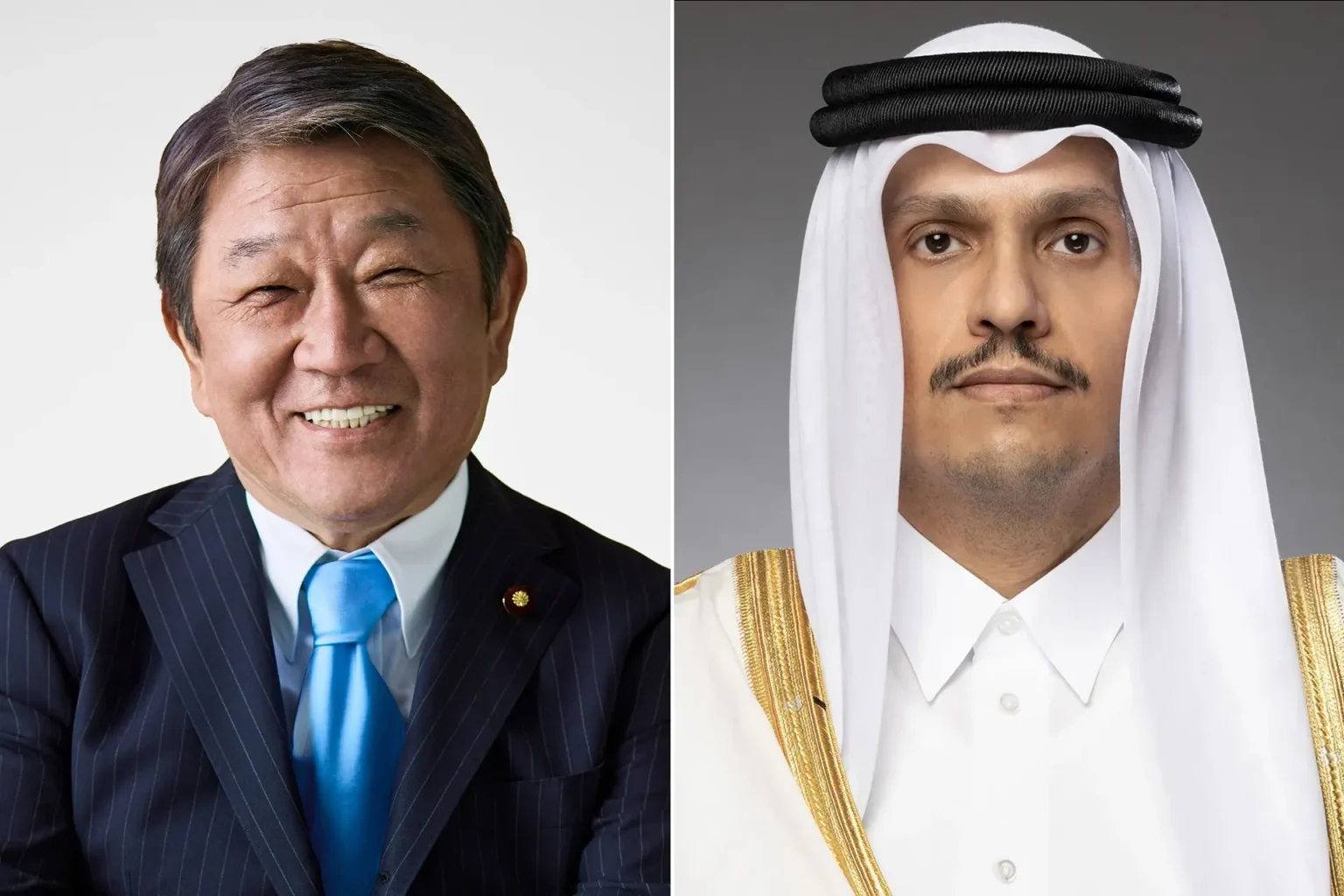

Qatar mediation took centre stage on 28 May 2026, when Qatari Prime Minister and Foreign Minister Sheikh Mohammed bin Abdulrahman Al Thani urged all concerned parties to engage with ongoing mediation efforts to halt hostilities involving Iran. The appeal came during a phone call with Japanese Foreign Minister Toshimitsu Motegi, according to a statement from the Qatari Foreign Ministry, and stressed the need for dialogue and a sustainable settlement.
The call reviewed bilateral cooperation between Doha and Tokyo and touched on regional developments, including Pakistani mediation efforts between the United States and the Islamic Republic of Iran. Officials said Doha aims to use diplomatic channels to reduce the risk of renewed escalation and to address underlying causes through peaceful means.
Qatar mediation in the Iran-US context
Qatar mediation has become a recurrent element in efforts to ease tensions between Iran and the United States, particularly on technical and humanitarian dimensions. Doha has facilitated conversations and conveyed proposals in past exchanges, and officials indicated its continued readiness to support dialogue on complex issues, according to the ministry statement.
Furthermore, Qatari diplomats have been involved in discreet coordination with regional and international partners to keep lines of communication open. Meanwhile, Pakistan’s reported mediation initiatives were discussed during the Tokyo-Doha exchange, reflecting a multi-party effort to create space for negotiations and de-escalation.
Details of the Doha-Tokyo call and bilateral ties
The telephone discussion between Sheikh Mohammed and Minister Motegi reviewed cooperative ties and potential areas for deeper collaboration, officials said. Japan and Qatar already maintain a broad partnership covering energy, investment, and security cooperation, and both ministers agreed on the value of leveraging relations to support diplomacy on urgent regional matters.
Additionally, the Qatari foreign ministry noted that the ministers exchanged views on recent regional developments and the need to protect civilians and critical infrastructure. The dialogue underscores Tokyo’s interest in stability in the Gulf and its support for diplomatic processes led by regional actors.
Diplomatic pathways and frozen Iranian funds
One central technical issue referenced in the call and in recent reports is the status of frozen Iranian funds, which have complicated practical arrangements and confidence-building steps. Qatar has previously played a mediating role in financial and humanitarian transfers and may continue to serve as an intermediary for operational solutions, according to analysts and official statements.
Efforts to disentangle financial disputes from security negotiations are designed to create incentives for broader talks. Therefore, mediators have emphasized phased, verifiable measures that address sanctions, fund releases, and safeguards to prevent diversion, while negotiators assess legal and banking constraints across jurisdictions.
Why the mediation push matters for regional stability
Diplomatic engagement led by regional states like Qatar matters because it can reduce the immediate risk of military escalation and open avenues for longer-term conflict management. Officials have argued that mediation helps to limit unintended spillover effects across the Gulf and to protect global energy markets that are sensitive to instability in the region.
In addition, mediation efforts can enable incremental confidence-building steps, such as prisoner exchanges, humanitarian corridors, or technical agreements on inspections and safeguards. Such measures, if implemented, could lower tensions while negotiators work toward more comprehensive arrangements.
Challenges and limits of current mediation efforts
Despite active diplomacy, mediators face significant hurdles. Divergent strategic objectives, domestic political pressures, and legal constraints related to sanctions and banking systems complicate negotiations. Therefore, officials caution that progress is likely to be uneven and incremental rather than swift or linear.
Moreover, third-party mediators must navigate differing expectations from Washington, Tehran, and regional capitals, and sustain confidentiality and trust while formalizing any agreements. Observers say that transparent mechanisms for verification and dispute resolution will be critical to prevent setbacks.
What to watch next
Observers should watch for follow-up contacts among Doha, Islamabad, Washington, and Tehran, as well as any statements from Japan signaling continued engagement. Analysts expect that technical working groups or back-channel talks may be convened to address specific obstacles such as the release of frozen funds and humanitarian assistance arrangements.
Additionally, readers should monitor official communiqués from the Qatari Foreign Ministry and any joint statements from mediating states for indications of concrete timetables or phased implementation plans. These steps will be key barometers of whether diplomacy is gaining traction.
Forward-looking conclusion
Qatar mediation is likely to remain a focal point in efforts to de-escalate the Iran-US standoff, with Doha continuing to press for dialogue and pragmatic measures. In the coming weeks, parties and mediators are expected to pursue technical talks and follow-up consultations; the success of these efforts will hinge on the parties’ willingness to make measurable concessions and on the ability of intermediaries to translate diplomatic momentum into verifiable actions.