






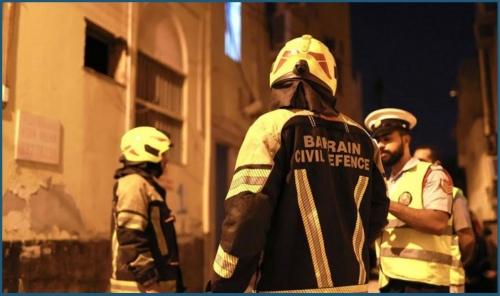

The alarming rise in gas explosions and fires is a growing concern, impacting communities and causing devastating consequences. Despite repeated incidents resulting in injuries, fatalities, and property damage, a critical lack of awareness surrounding the dangers of gas leaks persists. This isn’t a new problem; it’s a recurring cycle fueled by complacency and a failure to prioritize safety. Recent events underscore the urgent need for increased public education and preventative measures to mitigate these risks.
The Increasing Frequency of Gas Explosions and Fires
The statistics are stark. According to recent reports from the Interior Ministry, gas leaks were responsible for over 300 fires and 21 explosions in 2024 and 2025 alone. These aren’t just numbers; they represent shattered lives, destroyed homes, and a community living under the shadow of potential disaster. The problem isn’t limited to a specific area, with incidents reported across various regions.
Recent cases serve as harrowing reminders of the potential consequences. In 2024, a gas cylinder explosion in a Muharraq apartment resulted in minor injuries. Tragically, a similar incident the following year in Arad led to a building collapse, claiming one life and injuring four others. These events highlight the unpredictable and often catastrophic nature of gas-related accidents. Understanding fire safety is paramount in preventing these tragedies.
Understanding the Root Causes of Gas Leaks
Colonel Dr. Osama Bahar, Head of Hidd Police Station, recently addressed the dangers of gas leaks on the Interior Ministry’s “Al Aman” social media program. He emphasized that the core issue isn’t the gas itself, but rather the preventable circumstances that lead to leaks and subsequent ignition. Several factors contribute to these incidents, including faulty connections, improper storage, and a lack of regular maintenance.
Common Culprits Behind Leaks
- Faulty Connections: Worn or damaged hoses and regulators are a primary cause of leaks. Heat and humidity can degrade these components over time, creating weak points.
- Improper Storage: Storing gas cylinders in enclosed spaces or near heat sources significantly increases the risk of accumulation and ignition.
- Lack of Ventilation: Insufficient ventilation allows gas to build up to dangerous levels, particularly in kitchens and other areas where gas appliances are used.
- Neglecting Maintenance: Failing to regularly inspect and maintain gas appliances and connections creates a breeding ground for potential problems.
Four Essential Gas Safety Tips
Colonel Dr. Bahar outlined four simple yet crucial tips that every household member should understand and practice. These aren’t complex procedures; they are fundamental safety measures that can dramatically reduce the risk of a gas-related incident.
First and foremost, gas cylinders must be placed in well-ventilated, shaded areas, far away from any electrical sources. Even a tiny spark from a switch or appliance can ignite accumulated gas, leading to a devastating gas leak. It’s crucial to avoid operating any electrical equipment if you suspect a leak. Turning lights on or off, or using any electrical device, can create the spark that triggers an explosion.
Secondly, prioritize ventilation. Utilizing exhaust fans, especially above the stove, helps to dissipate any potential gas buildup. This is particularly important in smaller kitchens or areas with limited airflow.
Thirdly, regular maintenance is non-negotiable. Inspect the connections between the cylinder and the stove frequently, paying attention to any signs of wear or damage. Don’t hesitate to replace worn components promptly. This proactive approach can prevent a minor issue from escalating into a major hazard.
Finally, be aware of the smell of gas. A distinctive, sulfurous odor is intentionally added to gas to make leaks easily detectable. If you smell gas, immediately evacuate the area, do not operate any electrical devices, and contact the relevant authorities. This quick response can be life-saving.
The Importance of Proactive Fire Prevention
Beyond these immediate safety measures, fostering a culture of fire prevention is essential. This includes educating all household members, especially children, about the dangers of gas leaks and the importance of following safety protocols. Regular safety drills can also help ensure that everyone knows what to do in the event of an emergency.
Additionally, consider investing in gas detectors. These devices provide an early warning system, alerting you to the presence of gas even before you can smell it. While not a substitute for safe practices, gas detectors offer an added layer of protection.
In conclusion, the increasing number of gas explosions and fires is a serious issue demanding immediate attention. By understanding the causes of gas leaks and implementing the simple safety tips outlined by Colonel Dr. Bahar, we can significantly reduce the risk of these devastating incidents. Prioritizing safety, promoting awareness, and practicing proactive maintenance are crucial steps towards protecting our homes, our families, and our communities. Don’t wait for a tragedy to strike – take action today to ensure a safer tomorrow.