


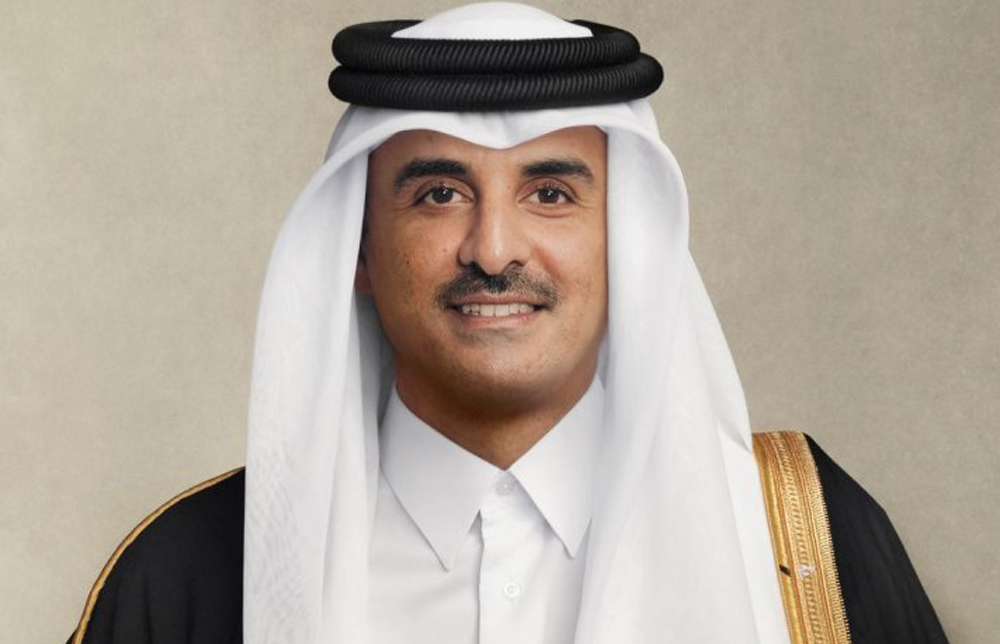

Doha, Qatar – His Majesty Sultan Hassanal Bolkiah of Brunei Darussalam is recovering following a recent surgical procedure, prompting expressions of support from regional leaders, including the Amir of Qatar, Sheikh Tamim bin Hamad Al Thani. The Sultan of Brunei’s health has been a topic of regional attention, with updates closely followed by neighboring nations and international observers. The Amir sent a cable of congratulations wishing the Sultan a full and speedy recovery.
The surgical operation’s details have not been publicly disclosed, but the Amir’s message, delivered on February 24, 2023, confirms its successful completion. This news comes amid a period of ongoing diplomatic and economic ties between Qatar and Brunei, making the Sultan’s well-being a matter of interest for both countries. The focus now shifts to the Sultan’s recuperation and potential impact on Brunei’s governance.
Understanding the Sultan of Brunei’s Health and Regional Impact
Sultan Hassanal Bolkiah has reigned as the 29th and current Sultan of Brunei since 1967, making him one of the world’s longest-reigning monarchs. His role extends beyond ceremonial duties; he also serves as Prime Minister and Minister of Defence. Consequently, any disruption to his health naturally raises questions about Brunei’s leadership continuity and policy direction.
Brunei-Qatar Relations
Qatar and Brunei maintain a cooperative relationship, particularly in areas of investment and energy. According to the Qatar Ministry of Commerce and Industry, bilateral trade volume has seen steady growth in recent years. The Sultan’s health and recovery are therefore viewed positively within Qatari diplomatic circles, as continued stability in Brunei is beneficial for regional partnerships.
However, the specifics of the Sultan’s illness remain private. The Royal Brunei Palace has traditionally maintained a degree of discretion regarding the Sultan’s personal health, releasing only limited information to the public. This approach is consistent with cultural norms in Brunei and other Southeast Asian monarchies.
Succession Considerations
While the Sultan’s condition appears stable following the surgery, the event inevitably prompts discussion about Brunei’s succession plans. The Sultan has several children, including Crown Prince Al-Muhtadee Billah, who is widely expected to succeed him. The Crown Prince has been increasingly taking on official duties in recent years, preparing for a potential transition of power.
In contrast to some other monarchies, Brunei has a clear line of succession. This established framework is expected to ensure a smooth transfer of power should the need arise. Nevertheless, the Sultan’s continued health is crucial for maintaining stability and guiding Brunei’s long-term development.
Meanwhile, the international community has also expressed well wishes for the Sultan’s recovery. Diplomatic representatives from various countries have conveyed their support, recognizing Brunei’s role in regional security and economic cooperation. The Sultan’s leadership has been instrumental in fostering stability within the Association of Southeast Asian Nations (ASEAN).
Additionally, Brunei’s economy, heavily reliant on oil and gas, is undergoing diversification efforts. The Sultan’s vision for a more sustainable and diversified economy is a key factor in the nation’s long-term prosperity. His continued involvement in shaping these policies is considered vital by economic analysts.
The Amir of Qatar’s message underscores the strong ties between the two nations and the importance placed on the Sultan of Brunei’s health. The successful operation is a positive development, but the coming weeks will be critical for monitoring his recovery and assessing any potential implications for Brunei’s internal affairs and foreign policy. The extent of his recovery and return to full duties remains to be seen.
Looking ahead, observers will be watching for further updates from the Royal Brunei Palace regarding the Sultan’s progress. Any significant changes in his health status or official engagements will likely be closely scrutinized by regional and international stakeholders. The timeline for his full return to public life is currently uncertain, and will depend on medical advice and his personal recovery rate.