


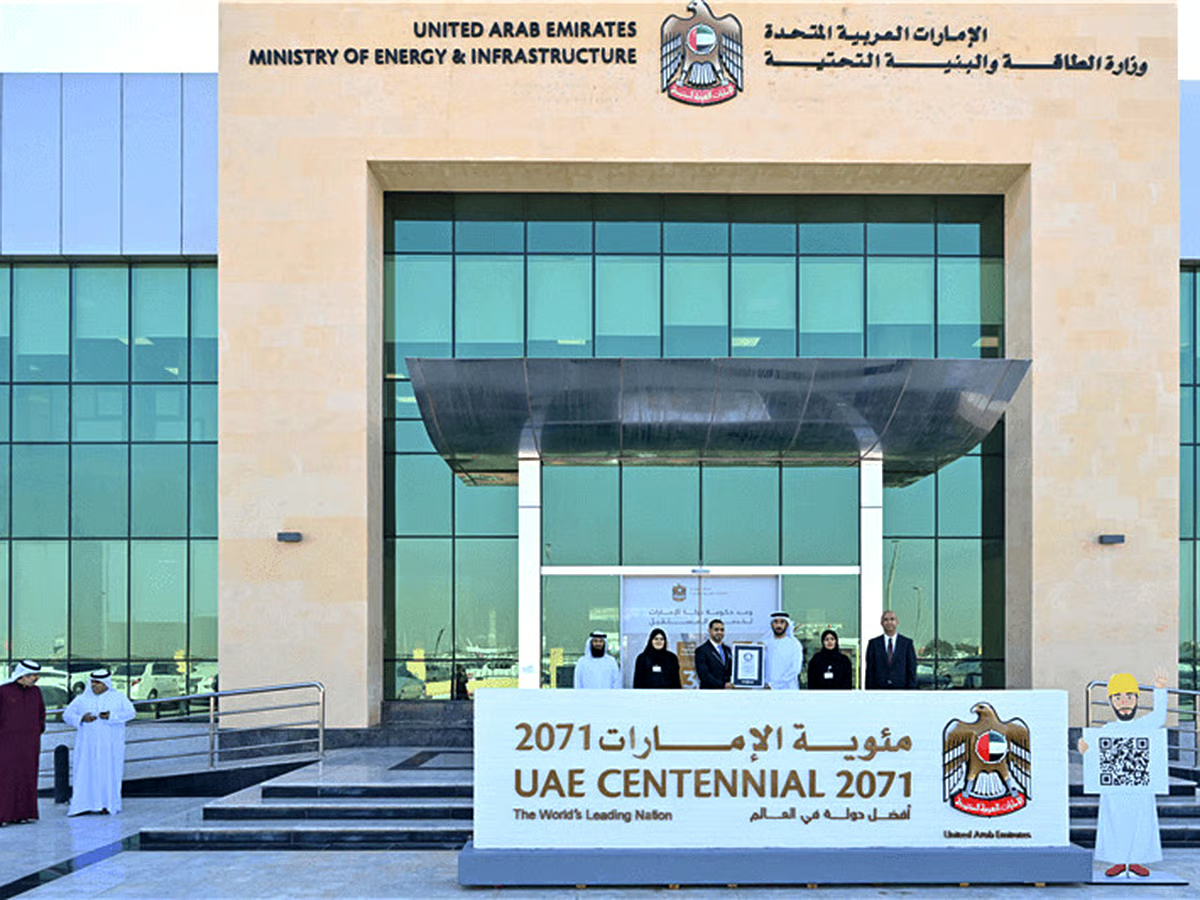

The United Arab Emirates (UAE) demonstrated significant progress in 2025 across key sectors including energy, infrastructure, and housing, solidifying its position as a regional leader in development. These achievements, driven by strategic government initiatives, underscore the nation’s commitment to sustainable growth and improved quality of life for its citizens. Notably, the UAE made substantial strides in infrastructure development, aiming to enhance both economic competitiveness and citizen well-being.
According to the Ministry of Energy and Infrastructure, the country delivered on multiple fronts, from expanding road networks to securing international leadership roles in housing and maritime affairs. The year saw the launch of crucial programs focused on energy efficiency and the completion of several transformational projects designed to promote sustainability. These developments reflect a proactive approach to long-term planning coupled with effective implementation, a hallmark of the UAE’s economic strategy.
Housing and Urban Development Initiatives
The UAE continued to prioritize citizen housing in 2025, issuing 3,567 housing support decisions totaling Dh2.546 billion. This investment contributed to a national homeownership rate of 91 percent, placing the UAE among the countries with the highest levels of citizen homeownership globally. The Ministry indicated this focus is a direct response to citizen needs and a key component of national social stability.
Additionally, the UAE’s growing influence in international urban planning was recognized with its first-time presidency of the United Nations Human Settlements Programme (UN-Habitat) General Assembly. The country also retained its membership on the UN-Habitat Executive Council, signaling continued commitment to global housing standards and sustainable urban development.
Energy Efficiency and Sustainability Efforts
A major milestone in the energy sector was the launch of the Global Alliance for Energy Efficiency, bringing together over 40 nations and organizations. This alliance aims to accelerate the adoption of energy-efficient technologies and practices worldwide. The UAE’s leadership in this initiative highlights its dedication to combating climate change and promoting a greener future.
Further reinforcing this commitment, the UAE rolled out the National Programme for Demand Management of Energy and Water 2050. This program targets a reduction in energy and water demand by 42 to 45 percent through initiatives spanning industrial processes, agricultural practices, infrastructure projects, and transportation systems. The program is expected to drive innovation in energy efficiency and resource management.
Federal Roads and Mobility Improvements
The UAE is actively working to improve the efficiency of its federal road network, with a goal of a 73 percent increase in efficiency over the next five years. Current projects include the development and upgrade of Emirates Road at a cost of Dh750 million, and expansions to Al Ittihad Road and Sheikh Mohammed bin Zayed Road, increasing their capacity by 60 and 45 percent respectively.
Looking ahead, authorities are evaluating the feasibility of constructing a new 120-kilometer federal road capable of handling up to 360,000 trips per day. This potential addition to the network would further alleviate congestion and support economic growth by improving connectivity across the Emirates. These transportation upgrades are crucial for facilitating trade and tourism.
Transformational Projects Completed
During 2025, five major transformational projects were successfully completed. These projects focused on areas such as healthier building design, the creation of urban green spaces, transitioning industries to more sustainable practices, improving irrigation techniques in agriculture, and establishing facilities for recycling electric vehicle batteries. The Ministry stated these projects represent a tangible commitment to environmental sustainability and a circular economy.
Maritime Sector Strengthens Global Position
The UAE continued to solidify its position as a global maritime hub in 2025. The country hosted a parallel event to World Maritime Day and launched the National Maritime Navigation Centre, enhancing its capabilities in maritime safety and efficiency.
Furthermore, the UAE was re-elected to Category “B” membership of the International Maritime Organization (IMO) for a fifth consecutive term. This ongoing representation on the IMO demonstrates the UAE’s commitment to shaping international maritime policy and promoting responsible shipping practices.
Recognition and Digital Transformation
The Ministry of Energy and Infrastructure received significant recognition for its performance in 2025, winning 41 awards across local, regional, and international platforms. It also secured 19 ISO certifications, validating the strength and effectiveness of its operational systems.
In parallel, the UAE accelerated its digital transformation efforts, launching the country’s first fully integrated digital government services center in Fujairah. The Ministry also conducted 30 customer councils throughout the Emirates and signed 26 agreements and memoranda of understanding to foster collaboration and innovation. This focus on digital services aims to improve citizen access to government programs and streamline administrative processes.
Looking forward, the UAE is expected to continue investing in its infrastructure and sustainability initiatives. The success of the National Programme for Demand Management of Energy and Water 2050 will be a key indicator of progress, as will the development of the proposed new federal road. Ongoing geopolitical factors and global economic conditions will likely influence the pace and scope of these projects, requiring continued adaptability and strategic planning.