






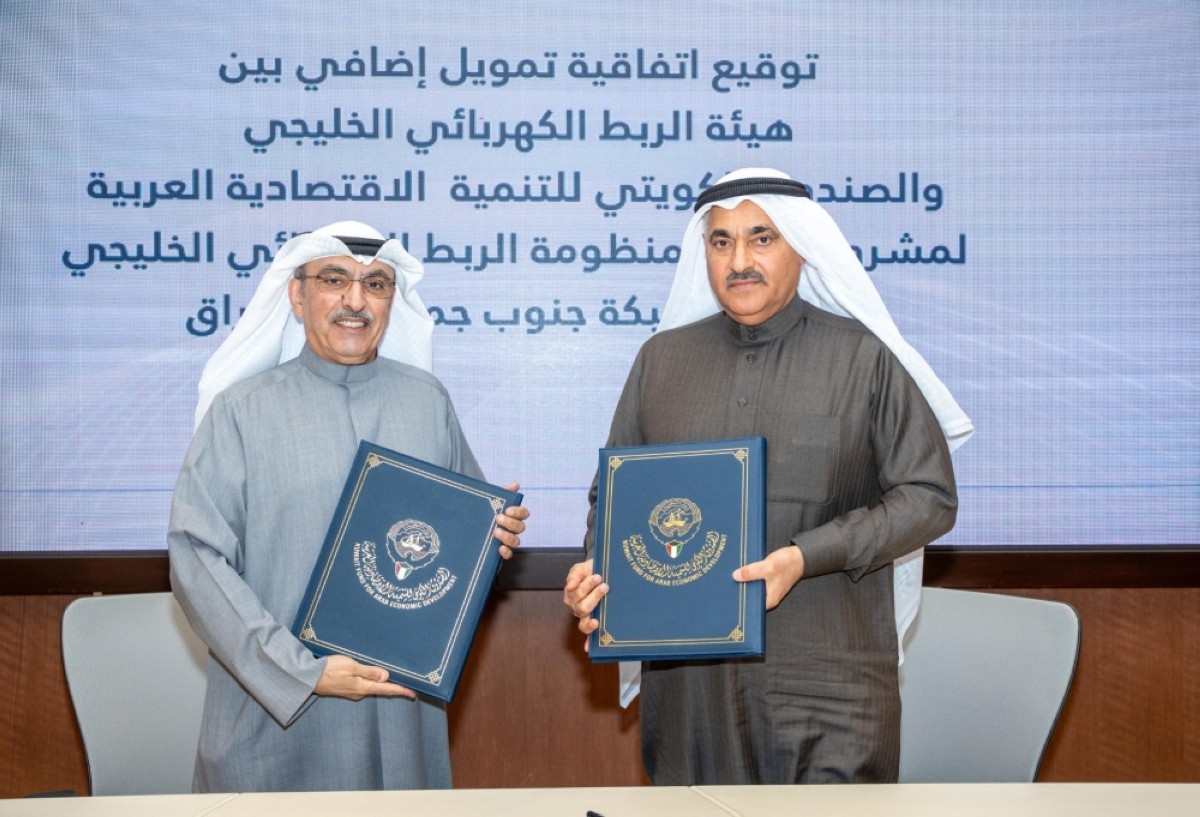

Kuwait continues to solidify its commitment to regional energy security and economic development with a significant new investment in the GCC electrical interconnection system. The Kuwait Fund for Arab Economic Development (KFAED) recently signed a third additional loan agreement, totaling KD 8 million, with the GCC Interconnection Authority, bolstering a project vital for both Kuwait and its neighbors, particularly Iraq. This move underscores Kuwait’s proactive role in strengthening infrastructure and fostering collaboration within the Gulf region.
KFAED’s Continued Investment in GCC Electrical Interconnection
The latest KD 8 million loan isn’t an isolated event, but rather a continuation of KFAED’s strong support for this crucial project. It brings the Fund’s total contribution to KD 78 million, representing approximately 29% of the overall financing. The Kuwaiti government is also contributing significantly, with an investment of around KD 37.5 million. This combined financial commitment highlights the strategic importance placed on enhancing the reliability and capacity of the regional power grid.
Acting Director General of KFAED, Waleed Al-Bahar, emphasized the project’s significance, stating it’s a “strategic project for Kuwait” and reflects the Fund’s dedication to ensuring a secure and sustainable electricity supply. This isn’t simply about meeting current demand; it’s about preparing for future growth and bolstering Kuwait’s position as a key player in regional energy dynamics.
Project Details: Al-Wafra Station and Transmission Lines
The core of this enhancement lies in the construction and operationalization of the Al-Wafra Station, a new interconnection point within the GCC Interconnection System located in the Al-Wafra area of Kuwait. Spanning approximately 62,000 square meters, this station is a critical component in expanding the network’s capabilities.
Expanding Grid Capacity
Alongside the new station, the project includes the installation of approximately 255 kilometers of 400 kV double-circuit overhead transmission lines. These lines connect the Al-Wafra Station to the Al-Fadhili substation in Saudi Arabia, creating a stronger and more resilient link within the GCC grid. This expansion is projected to increase the Kuwaiti grid’s supporting capacity by roughly 3,000 MW.
This increased capacity is particularly important for Kuwait, allowing it to better manage peak electricity consumption and reduce the risk of outages. It also improves the overall operational efficiency of the national grid, leading to cost savings and a more stable power supply for citizens and businesses.
Benefits for Kuwait and Regional Stability
The benefits of this project extend far beyond Kuwait’s borders. A key objective is to provide a stable power supply of at least 500 MW to southern Iraq. This support is vital for improving the performance and stability of the Iraqi electricity network, which has faced significant challenges in recent years.
This contribution to Iraq’s energy infrastructure is a demonstration of Kuwait’s commitment to regional stability and cooperation. Reliable access to electricity is fundamental for economic development and social well-being, and by assisting Iraq, Kuwait is playing a crucial role in fostering a more prosperous and secure future for the region. The project also aligns with broader efforts to promote energy infrastructure development across the Middle East.
Supporting Sustainable Development Goals
Beyond the immediate economic and energy benefits, the project actively contributes to several of the United Nations Sustainable Development Goals (SDGs). Specifically, it supports:
- Goal 3: Good Health and Well-being: Reliable electricity is essential for healthcare facilities.
- Goal 4: Quality Education: Access to power enables better learning environments.
- Goal 7: Affordable, Clean, and Sustainable Energy: The project promotes a more integrated and efficient energy system.
- Goal 8: Decent Work and Economic Growth: A stable power supply supports business activity and job creation.
- Goal 9: Industry, Innovation, and Infrastructure: The project directly enhances regional infrastructure.
- Goal 11: Sustainable Cities and Communities: Reliable energy is crucial for modern urban living.
- Goal 17: Partnerships for the Sustainable Development Goals: The project exemplifies regional cooperation.
This alignment with the SDGs demonstrates KFAED’s commitment to responsible and sustainable development practices. It showcases how investments in regional cooperation can have a positive ripple effect, contributing to broader global goals.
KFAED: A Cornerstone of Regional Development
The KFAED’s role in this project, and in numerous others throughout the Arab world, is undeniable. The Fund has consistently been a pivotal force in supporting infrastructure development, promoting economic growth, and fostering stability in the region. This latest loan agreement for the GCC electrical grid is a testament to its ongoing commitment.
The project’s success is a direct result of the collaborative spirit between Kuwait, Saudi Arabia, and Iraq, facilitated by the KFAED and the GCC Interconnection Authority. It serves as a model for future regional initiatives, demonstrating the power of cooperation in addressing shared challenges and unlocking mutual benefits.
In conclusion, KFAED’s continued investment in the GCC electrical interconnection project is a strategic move that strengthens Kuwait’s energy security, supports regional stability, and contributes to the achievement of the UN Sustainable Development Goals. This project exemplifies Kuwait’s dedication to fostering collaboration and building a more prosperous future for the entire region. To learn more about KFAED’s initiatives and their impact, visit their official website and explore their portfolio of projects.