





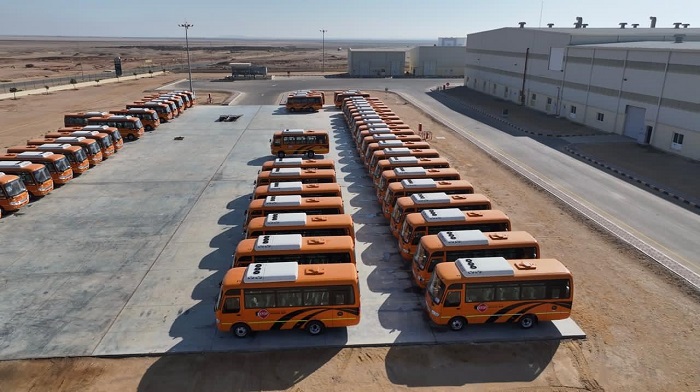

The automotive industry in the Sultanate of Oman is experiencing significant growth, and Karwa Motors is at the forefront of this expansion. In 2025, the company proudly produced and supplied approximately 900 vehicles to the local market, a milestone that underscores its commitment to national manufacturing and self-sufficiency. This achievement isn’t just about numbers; it represents a strategic step towards positioning Oman as a key player in regional transportation solutions and bolstering the country’s economic diversification efforts.
Karwa Motors’ Production Boost in Oman
Karwa Motors’ substantial output in 2025 demonstrates a clear vision to establish a robust national automotive industry. According to Dr. Ibrahim bin Ali Al-Balushi, Chief Executive Officer of Karwa Motors, the company is successfully achieving its strategic objectives while simultaneously addressing the evolving needs of the Omani market across diverse vehicle segments. This success is particularly noteworthy given the global challenges facing the automotive sector, including supply chain disruptions and fluctuating material costs.
Meeting the Demand for School Transportation
A significant portion of Karwa Motors’ production was dedicated to enhancing the safety and reliability of student transportation. The company manufactured 822 school buses under the national school bus replacement programme. These buses weren’t simply assembled; they were built to meet the highest international safety and security standards, as well as adhering to specific national specifications designed to provide optimal protection for students. This focus on safety reflects a strong commitment to social responsibility.
Expanding Transportation Solutions Across Sectors
Beyond school buses, Karwa Motors also supplied 100 buses to both government and private sector entities. These vehicles offer integrated transportation solutions tailored to support institutional operations and mass transit systems, prioritizing efficiency and long-term reliability. The demand from these sectors highlights the growing confidence in Karwa Motors’ product quality and service capabilities. Furthermore, 30 specialized buses were delivered to the oil and gas sector, meticulously developed to meet the stringent safety standards set by Petroleum Development Oman (PDO). These vehicles are engineered for optimal performance in challenging operational environments, showcasing the company’s ability to cater to specialized industry needs.
Strengthening Oman’s Automotive Industry
The production achievements of Karwa Motors are a testament to the increasing sophistication and efficiency of Oman’s automotive sector. Dr. Al-Balushi emphasized that the company’s output is a direct result of its dedication to meeting local market demand with high-quality, nationally produced vehicles. This commitment aligns perfectly with the broader goals of Oman Vision 2040, which prioritizes economic diversification and the development of a sustainable industrial base.
The company isn’t content with simply meeting current demand. Karwa Motors is actively working to increase the local content of its vehicles and enhance the overall competitiveness of the Omani automotive industry. This forward-thinking approach includes plans to expand production for both domestic use and export markets, further solidifying Oman’s position as a regional transportation hub.
Building a National Supply Network
Recognizing the importance of a strong domestic supply chain, Karwa Motors has proactively forged partnerships with local companies. Four cooperation agreements were recently signed, establishing an integrated national supply network encompassing crucial industrial components, specialized technical services, and efficient logistics support. This initiative is designed to foster a more resilient and self-reliant automotive ecosystem within Oman.
Boosting In-Country Value and Local Expertise
These agreements are strategically aimed at increasing in-country value, improving manufacturing efficiency, and reducing reliance on imported materials. By enabling Omani companies to participate in specialized industrial supply chains, Karwa Motors is contributing to the sustainability and growth of the entire industrial sector. The partnerships also represent a phased plan to expand local industrial content, localize knowledge, and transfer valuable technical expertise, ultimately enhancing the manufacturing sustainability and competitiveness of Omani products in both local and regional markets.
Shahla bint Salem Al-Zadjali, from Karwa Motors’ Procurement and Logistics Services Department, explained that the agreements followed a thorough evaluation of local suppliers’ capabilities. The company is prioritizing long-term strategic partnerships with suppliers who consistently meet stringent quality and performance standards, ensuring supply-chain resilience and streamlined procurement processes. This focus on quality and reliability is paramount to Karwa Motors’ success.
The development of a robust local supply chain is crucial for the long-term health of the Omani automotive industry. These initiatives will not only benefit Karwa Motors but will also create sustainable employment opportunities and contribute to the overall economic prosperity of the Sultanate. The focus on Oman Vision 2040 is a clear indicator of the company’s commitment to national development. Furthermore, the emphasis on automotive manufacturing within Oman is attracting investment and fostering innovation.
In conclusion, Karwa Motors’ achievements in 2025 represent a significant milestone for the Omani automotive industry. Through increased production, a commitment to quality, and strategic partnerships with local companies, Karwa Motors is playing a vital role in strengthening the national economy and positioning Oman as a key player in the regional transportation landscape. We encourage readers to learn more about Karwa Motors and the exciting developments happening within Oman’s industrial sector.