




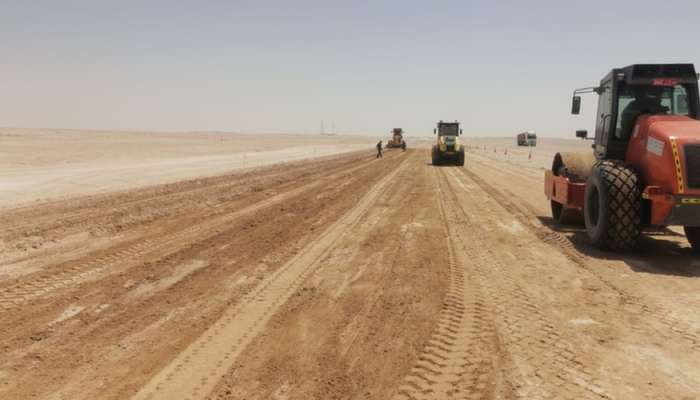

Oman is poised for significant infrastructure development with a wave of vital road projects scheduled for completion in 2026. These initiatives, spearheaded by the Ministry of Transport, Communications and Information Technology, represent a substantial investment in the Sultanate’s future, aiming to enhance connectivity, stimulate economic growth, and contribute to the goals of Oman Vision 2040. With a total project value nearing OMR1.2 billion, the upgrades will dramatically improve transportation networks across the country.
Boosting Oman’s Economy Through Road Infrastructure
The Omani government recognizes the critical link between robust infrastructure and economic prosperity. These road projects aren’t simply about paving new surfaces; they are about creating a more efficient and integrated transportation system that benefits businesses, residents, and the nation as a whole. Improved roads translate to reduced transportation costs, faster delivery times, and increased access to markets, all of which are essential for attracting investment and fostering economic diversification.
Officials emphasize that the completed roads will play a pivotal role in connecting key economic hubs, including cities, ports, and production areas. This enhanced connectivity will streamline the movement of goods and services, making Oman a more competitive player in the regional and global economy. Furthermore, the projects are expected to generate numerous employment opportunities, both during construction and in the long term through increased economic activity.
Key Road Projects Scheduled for 2026 Completion
The Ministry has a comprehensive plan for upgrading the national road network, with several major projects targeted for inauguration in 2026. These projects are strategically located to address critical transportation needs in various governorates.
Dhofar Governorate: A Focus on Connectivity
Dhofar Governorate is receiving significant attention with multiple road projects underway. These include the dualization of Sultan Taimur Road and Al Farooq Road, designed to improve traffic flow and safety. Paving efforts are also focused on roads within Wilayat Muqshin, enhancing accessibility for local communities. The Harweeb–Al Mazunah–Maiten Road is also being paved, facilitating trade and travel along this important route. The Al Mughsail Road and Bridge Project will further improve access to this popular tourist destination, and the paving of the Seih Al Khairat–Al Shisr Road will connect remote areas.
Enhancements in Other Governorates
Beyond Dhofar, substantial improvements are planned for other regions. The rehabilitation of the Al Hazm–Rustaq Road in Wilayat Rustaq will address long-standing infrastructure concerns. In South Al Sharqiyah Governorate, the completion of Sultan Turki bin Said Road, linking Al Kamil and Al Wafi with Sur, will provide a vital transportation artery. The Al Dakhiliyah Governorate will benefit from the rehabilitation of Sultan Thuwaini bin Said Road, connecting Wilayat Bidbid and Wilayat Nizwa, and the development of Aqabat Aafri Road between Samail and Izki, including a new access road for Al Suqari village.
Muscat and Sohar Developments
The capital city, Muscat, is also undergoing significant road improvements. Development work has commenced on Al Mouj Street and 18 November Street, aiming to alleviate congestion and enhance urban mobility. Additionally, the completion of the Sohar Free Zone Link Road will further support the growth of this important economic zone, boosting infrastructure development in the area.
Ongoing Major Road Construction Projects
While many projects are slated for completion in 2026, several large-scale road construction initiatives are already underway and will continue to shape Oman’s transportation landscape. These include:
- Sultan Faisal bin Turki Road (Dibba–Lima–Khasab)
- Sultan Said bin Taimur Road (Adam–Haima–Thumrait)
- The Eastern Expressway (Sultan Turki bin Said Road)
- The Al Batinah Coastal Road (Sultan Taimur bin Faisal Road)
- The dualization of the Izki–Firq Road
These ongoing projects represent a long-term commitment to improving Oman’s road network and supporting its economic ambitions. The dualization of roads, in particular, is a key focus, aiming to enhance safety and capacity for growing traffic volumes.
Investment and Alignment with Oman Vision 2040
The approximately OMR1.2 billion investment in these transport infrastructure initiatives demonstrates the Omani government’s dedication to modernizing the country’s transportation system. This investment is not only about physical infrastructure but also about creating a more sustainable and resilient network that supports long-term economic growth.
These projects are intrinsically linked to Oman Vision 2040, a national strategy aimed at diversifying the economy, attracting foreign investment, and improving the quality of life for all citizens. By enhancing connectivity, reducing transportation costs, and creating new economic opportunities, these road projects will play a crucial role in realizing the goals of this ambitious vision. Furthermore, the focus on improving access to remote areas will contribute to more balanced regional development.
Looking Ahead: A Connected and Prosperous Oman
The completion of these road projects in 2026 and beyond will mark a significant milestone in Oman’s infrastructure development journey. The improved road network will not only facilitate economic growth but also enhance social connectivity, making it easier for people to access essential services and opportunities. As Oman continues to invest in its infrastructure, it is well-positioned to become a leading regional hub for trade, tourism, and investment. Stay updated on the progress of these vital projects and the positive impact they will have on Oman’s future.