



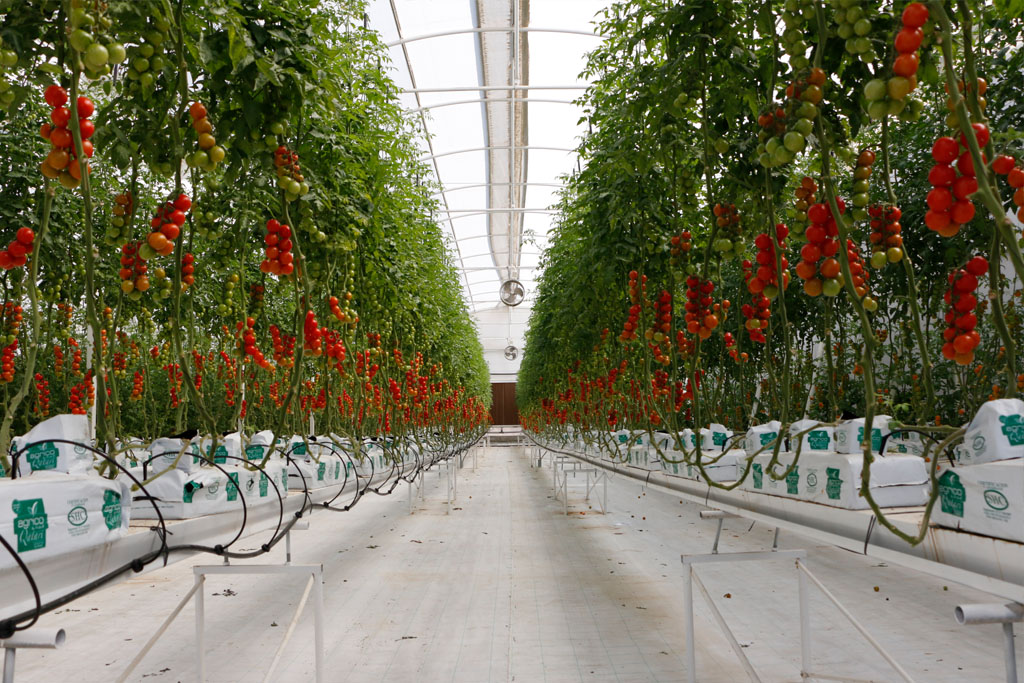

Qatar significantly boosted its food security in 2025, with local farms delivering record outputs of vegetables, fish, and dairy products, according to a recent report from the Ministry of Municipality. The advancements underscore the nation’s commitment to reducing reliance on imports and achieving greater self-sufficiency in key agricultural sectors. This progress is a key component of the Qatar National Vision 2030.
The Ministry’s 2025 Achievements Report details substantial gains across multiple areas of agriculture and aquaculture, demonstrating the effectiveness of ongoing investment in modern farming techniques and strategic public-private partnerships. These efforts are aimed at improving the quality of life for residents and building more sustainable cities.
Strengthening Qatar’s Food Production
A total of 950 productive farms contributed to the increased output, yielding 75,000 tonnes of vegetables in 2025. This represents a significant increase in domestic production, lessening the country’s dependence on external sources. The Ministry attributes this success to continued investment in protected agriculture, specifically expanding greenhouse units to 8,420.
Growth in Organic and Sustainable Farming
Alongside conventional farming, Qatar saw remarkable growth in organic farming practices. Cultivated areas dedicated to organic production increased by 207 percent, rising from 265.2 dunams to 813.2 dunams. This surge reflects a growing national commitment to environmentally responsible agriculture and sustainable land management.
Meanwhile, the aquaculture sector experienced a landmark year, with local farms producing 508 tonnes of farmed fish. This achievement was bolstered by strategic partnerships with the private sector and significant investment in hatchery capacity. Specifically, hatcheries produced 1.2 million hamour fingerlings, 1.4 million sheri fingerlings, 7 million fish fry, and 1 million shrimp larvae.
Progress Towards Self-Sufficiency
Qatar has made considerable strides toward self-sufficiency in several key food categories. The report indicates that milk production now meets 99 percent of domestic demand, and fresh poultry also achieves a 99 percent self-sufficiency rate. Red meat production reached 19 percent self-sufficiency, while table eggs achieved 27 percent. These figures demonstrate sustained efforts to diversify domestic food sources and enhance resilience against global supply chain disruptions.
These advancements align with the National Food Security Strategy 2030, which focuses on three main pillars: local production and local markets, aiming to enhance the production of vegetables, red meat, and fish while maintaining self-sufficiency in dairy and poultry. The strategy emphasizes modern agricultural techniques and sustainable practices to reduce reliance on imports. More details on the strategy are available on the Ministry of Municipality website.
However, challenges remain in achieving full self-sufficiency in all food categories, particularly red meat. The Ministry acknowledges the need for continued investment and innovation to further increase domestic production and reduce reliance on imports in this sector. The Peninsula Qatar provides additional coverage of the report.
Looking ahead, the Ministry of Municipality is expected to continue prioritizing investment in agricultural technology and sustainable farming practices. Future initiatives will likely focus on expanding aquaculture capacity, improving irrigation efficiency, and promoting research and development in drought-resistant crops. The success of these efforts will be crucial in ensuring Qatar’s long-term food security and achieving the goals outlined in the Qatar National Vision 2030. Monitoring progress towards the 2030 targets and adapting strategies based on emerging challenges will be key to sustaining these positive trends in agricultural development and sustainable agriculture.