






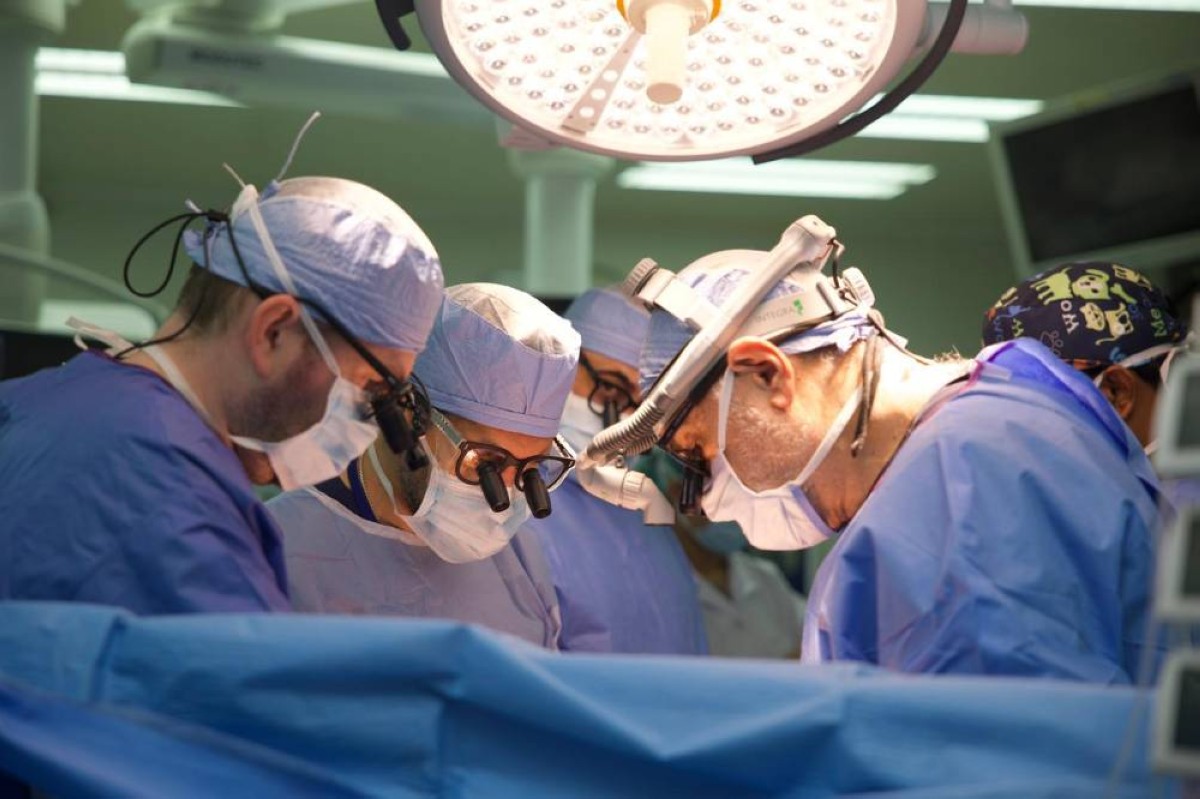

Kuwait is rapidly establishing itself as a regional leader in advanced medical care, and recent successes in cardiac surgery are a powerful demonstration of this progress. The nation’s Ministry of Health announced on Monday the successful completion of two heart transplants – one on a 10-year-old child and another on a man in his 50s. This brings the total number of these life-saving procedures performed in Kuwait to 13 since the launch of its national program, marking a significant jump in capability and availability.
Kuwait’s Expanding Heart Transplant Program
The two recent surgeries, completed consecutively at the state-of-the-art Salman Al-Dabbous Cardiac Center, aren’t isolated events. They represent a deliberate and substantial expansion of Kuwait’s heart transplant program. Statistics released by the Ministry of Health reveal a stark increase in successful procedures: a remarkable eight transplants were carried out in 2024 alone, compared to just one in 2019, one in 2021, one in 2023, and two in 2024. This positive trend signals a growing confidence and expertise within the national healthcare system.
Collaboration is Key to Success
This expansion hasn’t happened in isolation. The successful operations are a direct result of close coordination with the Organ Procurement Program, ensuring a consistent and ethical supply of donor hearts. This collaboration allows the Cardiac Center to maximize its capabilities and offer this critical treatment to more patients suffering from severe heart conditions. Effective organ donation networks are crucial for the viability of any transplant program, and Kuwait is clearly strengthening its own.
Investment in Infrastructure and Specialized Teams
Behind the increasing number of procedures lies a sustained commitment to investing in both specialized personnel and cutting-edge medical technology. Professor Riyadh Al-Tarzi, a consultant cardiac surgeon, highlighted this point, emphasizing that the program’s growth is “supported by sustained investment in specialised teams and advanced medical infrastructure.”
This isn’t merely about acquiring expensive equipment. It’s about training and retaining highly skilled surgeons, cardiologists, perfusionists and nursing staff capable of managing the complex challenges of heart transplantation. This meticulous development ensures that patients receive the highest standard of care, from pre-operative evaluations to long-term post-operative management. Investing in these areas demonstrably improves patient outcomes.
Leadership and Vision Driving Improvement
The Ministry of Health’s leadership has been instrumental in fostering this environment of growth and success. Professor Al-Tarzi specifically praised the close oversight of Health Minister Dr. Ahmad Abdulwahab Al-Awadhi and the guidance of Undersecretary Dr. Abdulrahman Al-Mutairi. This support has been vital for streamlining processes, securing resources, and championing the importance of advanced cardiac care within the broader healthcare agenda.
The initiative reflects a broader national vision to improve healthcare access and quality for all citizens. By successfully performing complex surgeries like heart transplants domestically, Kuwait reduces the need for patients to seek treatment abroad, saving both financial resources and the emotional toll of international travel during a time of immense vulnerability. This is particularly important for pediatric cases, where maintaining family support is crucial.
Addressing End-Stage Heart Failure in Kuwait
The timely and successful delivery of these transplants directly addresses a critical need within Kuwait’s healthcare system: the treatment of end-stage heart failure. This devastating condition often leaves patients with limited options and a significantly reduced quality of life. Organ transplantation, specifically heart transplantation, offers a new lease on life for these individuals, restoring their cardiac function and providing them with the opportunity to return to full and active lives.
A Beacon of Hope for Patients
The ministry’s announcement is a beacon of hope for the growing number of Kuwaiti patients diagnosed with end-stage heart failure. It demonstrates not only a technological capability but also a compassionate commitment to providing the most advanced and effective treatments possible. However, raising awareness about organ donation remains a crucial component for continued success. Ongoing campaigns aimed at encouraging more citizens to register as organ donors will be vital in meeting the increasing demand for transplants.
Future Outlook & Continued Growth
Kuwait’s commitment to expanding access to advanced medical procedures, such as heart transplants, is a significant step towards becoming a regional hub for specialized healthcare. The focus on continuous improvement, coupled with strategic investment and strong leadership, positions the nation well for future advancements in cardiology and organ transplantation.
The increased capacity at the Salman Al-Dabbous Cardiac Center also allows for opportunities in medical tourism, potentially attracting patients from neighboring countries seeking high-quality cardiac care. Ultimately, the ministry’s efforts will contribute to a healthier and more resilient population for Kuwait.
This recent milestone firmly establishes Kuwait’s dedication to providing world-class medical care to its citizens and further solidifies its position as a leader in specialized healthcare within the region. For more information about organ donation in Kuwait, please visit the Ministry of Health website [insert hypothetical link here]. Consider supporting organizations dedicated to increasing awareness about this life-saving process.