





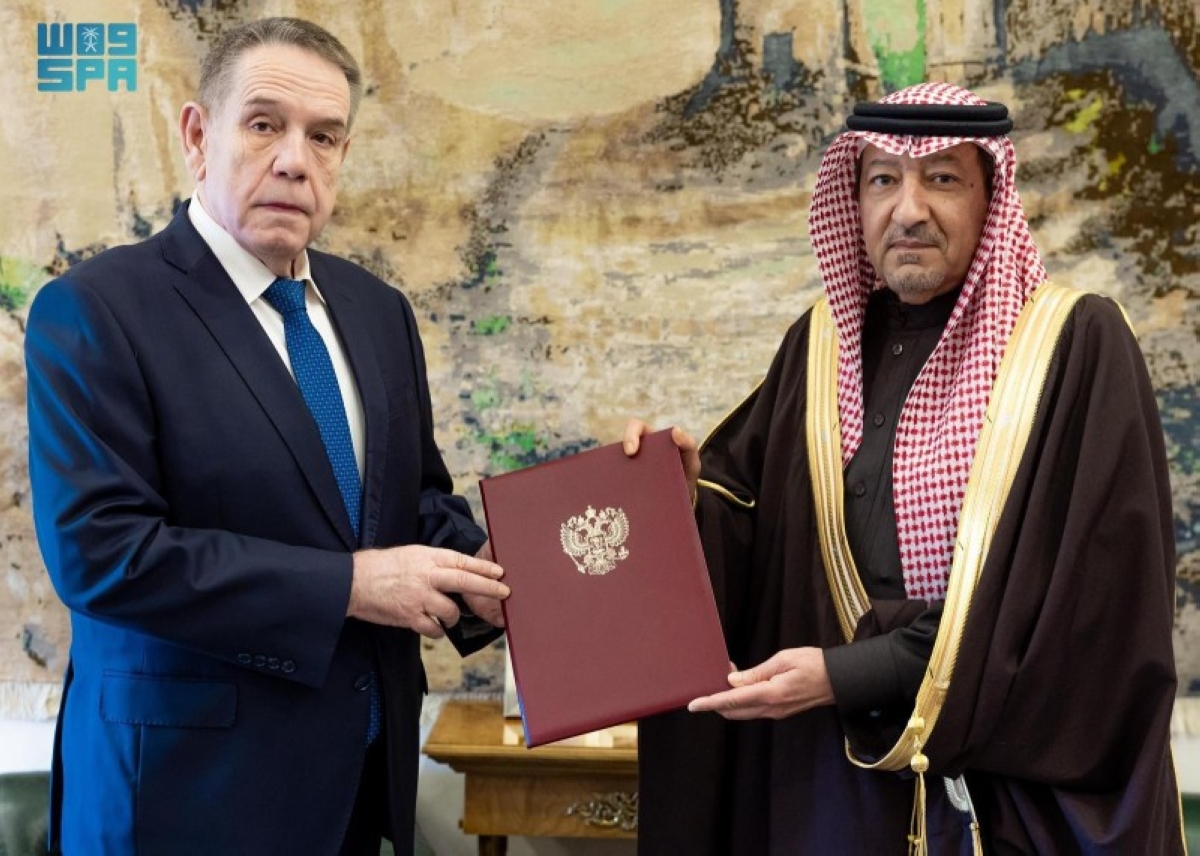

Saudi Arabia-Russia relations received a boost this week with a message from Russian President Vladimir Putin to King Salman, delivered amidst ongoing discussions about regional stability and expanding bilateral cooperation. The message, focused on strengthening ties, was conveyed by Russian Ambassador Sergey Kozlov to Saudi Vice Minister of Foreign Affairs Waleed Alkhereiji in Riyadh on Tuesday. This exchange signals continued momentum in the partnership between the two nations, particularly following the recent easing of travel restrictions.
The meeting at the Foreign Ministry headquarters covered a range of topics, including recent international developments and diplomatic initiatives. Saudi and Russian officials reviewed the current state of their relationship and explored avenues for further collaboration. This comes as both countries navigate a complex geopolitical landscape and seek to solidify economic and political alliances.
Strengthening Saudi-Russia Ties Through Visa Exemptions
A key development highlighted by the exchange is the recently implemented visa waiver agreement between Saudi Arabia and Russia. Effective December 1st, citizens of both countries are now exempt from needing a visa for travel, a move expected to significantly increase tourism and cultural exchange. This decision reflects a growing desire to foster closer people-to-people connections.
The visa exemption is part of a broader trend of increasing cooperation between Riyadh and Moscow. Historically, the two nations have held differing positions on several international issues, but in recent years, a pragmatic approach has emerged, particularly within the framework of OPEC+ oil production agreements. This collaboration has been crucial in stabilizing global energy markets.
Economic and Tourism Benefits
Analysts predict the visa waiver will have a positive impact on both economies. Increased tourism from Russia to Saudi Arabia, and vice versa, is anticipated, benefiting sectors like hospitality, transportation, and retail. Saudi Arabia is actively investing in its tourism infrastructure as part of its Vision 2030 plan, and Russian tourists represent a potentially significant market.
Beyond tourism, the two countries are exploring opportunities in other areas, including investment, technology, and defense. According to reports from the Saudi Ministry of Investment, Russian investment in the Kingdom has been steadily increasing in recent years. This diversification of economic partnerships is a strategic priority for Saudi Arabia.
The easing of travel restrictions also facilitates cultural exchange programs and business travel. This increased interaction is expected to lead to a better understanding between the two societies and foster stronger long-term relationships. The Saudi government has emphasized its commitment to promoting cultural understanding as a key component of its foreign policy.
However, the relationship isn’t without its complexities. While economic cooperation has flourished, political differences remain on issues such as the conflict in Ukraine. Saudi Arabia has maintained a neutral stance on the conflict, emphasizing the importance of dialogue and diplomacy. This position has been a point of discussion with Western allies.
The timing of Putin’s message and Kozlov’s visit is noteworthy, occurring as international efforts to address regional conflicts intensify. The Saudi government is playing an increasingly prominent role in mediating disputes in the Middle East, and Russia is a key player in several regional conflicts. The exchange likely aimed to coordinate positions and explore potential areas of collaboration on these issues.
The Saudi-Russia partnership also extends to energy cooperation. As founding members of OPEC+, the two countries have worked together to manage oil production levels and stabilize prices. This collaboration has been particularly important in recent years, as the global economy has faced challenges from supply chain disruptions and geopolitical instability. The future of OPEC+ and its influence on the global energy market remains a key factor in the relationship.
The recent developments underscore a strategic realignment in the Middle East, with Saudi Arabia diversifying its partnerships beyond traditional allies. This shift reflects a desire for greater autonomy and a more multi-polar world order. The strengthening of ties with Russia is a key element of this strategy. The relationship with Russia is also seen as a way to counterbalance the influence of other major powers in the region.
Looking ahead, further discussions are expected to focus on implementing the visa waiver agreement and exploring new areas of cooperation. The Saudi government has not yet announced any specific dates for high-level meetings, but officials have indicated a commitment to maintaining regular dialogue with their Russian counterparts. Monitoring the impact of the visa waiver on tourism numbers and investment flows will be crucial in assessing the long-term success of this initiative. The evolving geopolitical situation and its impact on energy markets will also continue to shape the Saudi-Russia relationship.
The ongoing diplomatic efforts and the continued strengthening of Saudi-Russia relations suggest a commitment to a long-term partnership. The success of this partnership will depend on navigating existing political differences and capitalizing on shared economic interests. The next few months will be critical in determining the extent to which this collaboration can contribute to regional stability and global economic growth. The development of new joint projects and the expansion of trade ties are key indicators to watch.
The Ministry of Foreign Affairs has indicated that further details regarding specific collaborative projects will be released in the coming weeks. The impact of the visa-free travel on the tourism sector will be closely monitored, with initial data expected by early next year. Continued engagement on regional security issues remains a priority for both nations, and any breakthroughs in these discussions will be significant. The future of bilateral trade and investment will also be a key area of focus.