






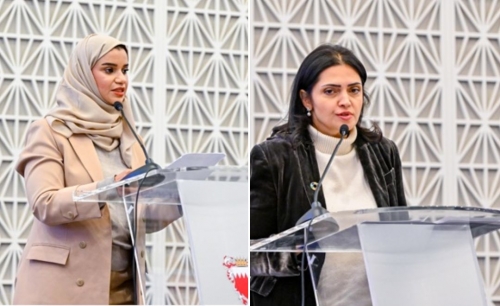

Bahrain is taking a leading role in regional environmental efforts with a crucial workshop focused on safeguarding the planet’s rich natural heritage. The Supreme Council for Environment (SCE) is hosting a regional training workshop on biodiversity monitoring and national reporting, bringing together experts from across West Asia. This initiative, supported by key international organizations, underscores Bahrain’s commitment to the Convention on Biological Diversity and the ambitious Global Biodiversity Framework. Effective biodiversity monitoring is essential for understanding and protecting ecosystems, and this workshop aims to bolster those capabilities across the region.
Strengthening Regional Biodiversity Conservation
The workshop, scheduled for December 21-23, represents a significant collaborative effort. It’s being organized in partnership with the United Nations Development Programme (UNDP) and the Secretariat of the Convention on Biological Diversity. Crucially, it receives financial and technical support from the Global Environment Facility (GEF) and the United Nations Environment Programme (UNEP). This broad coalition highlights the global importance placed on preserving biodiversity, particularly in regions facing unique environmental challenges.
The event will gather a diverse group of participants, including representatives from West Asian countries, relevant government entities within Bahrain, academic institutions specializing in environmental science, and leaders from the private sector. This multi-stakeholder approach is deliberate, recognizing that successful conservation requires coordinated action from all segments of society.
Updating National Strategies and Action Plans
A primary goal of the workshop is to assist participating countries in updating and preparing their National Biodiversity Strategies and Action Plans (NBSAPs). These plans are vital roadmaps for national conservation efforts, outlining specific objectives and actions to protect and sustainably use biodiversity.
Aligning with Global Frameworks
The workshop will specifically focus on aligning these national plans with the Convention on Biological Diversity (CBD) and the recently adopted Global Biodiversity Framework. The Global Biodiversity Framework, agreed upon in Montreal in 2022, sets out a transformative agenda for biodiversity conservation, aiming to halt and reverse biodiversity loss by 2030. Successfully integrating this framework into national strategies is a key step towards achieving these ambitious goals.
Furthermore, the workshop will provide guidance on compiling the Seventh National Report to the CBD. This report serves as a comprehensive assessment of each country’s progress towards meeting its biodiversity targets, offering valuable insights for global monitoring and evaluation. Accurate and consistent environmental reporting is therefore paramount.
Fostering Collaboration and Capacity Building
Beyond the technical aspects of strategy development and reporting, the workshop is designed to be a platform for knowledge sharing and collaboration. It will facilitate technical dialogue, allowing participants to exchange best practices and learn from each other’s experiences.
This exchange is particularly important in West Asia, a region characterized by diverse ecosystems and varying levels of conservation capacity. The workshop aims to bridge these gaps by strengthening institutional and technical capabilities in ecological monitoring.
Additionally, the event will contribute to:
- Enhancing biodiversity governance structures.
- Improving coordination among different stakeholders involved in conservation.
- Supporting evidence-based planning and decision-making.
These improvements are all crucial for ensuring the long-term effectiveness of conservation efforts. The focus on capacity building will empower local experts to continue monitoring and protecting biodiversity long after the workshop concludes.
The Role of the Private Sector in Biodiversity
The inclusion of the private sector is a noteworthy aspect of this workshop. Increasingly, businesses are recognizing the importance of biodiversity for their operations and long-term sustainability. Many industries rely directly on ecosystem services, such as clean water, pollination, and climate regulation.
By engaging the private sector, the workshop aims to promote responsible business practices that minimize negative impacts on biodiversity and, where possible, contribute to its conservation. This could involve adopting sustainable sourcing policies, investing in restoration projects, or developing innovative technologies for environmental monitoring.
Looking Ahead: A Region Committed to Biodiversity
This regional training workshop on biodiversity monitoring, hosted by Bahrain, represents a significant investment in the future of environmental conservation in West Asia. By strengthening national strategies, fostering collaboration, and building capacity, the workshop will empower countries to better protect their valuable natural resources.
The success of this initiative will not only benefit the environment but also contribute to the sustainable development and well-being of communities across the region. It’s a clear signal that West Asian nations are taking proactive steps to address the global biodiversity crisis and secure a healthier planet for future generations. Further information on the Convention on Biological Diversity and the Global Biodiversity Framework can be found on the CBD website, encouraging continued learning and engagement with these vital initiatives.