


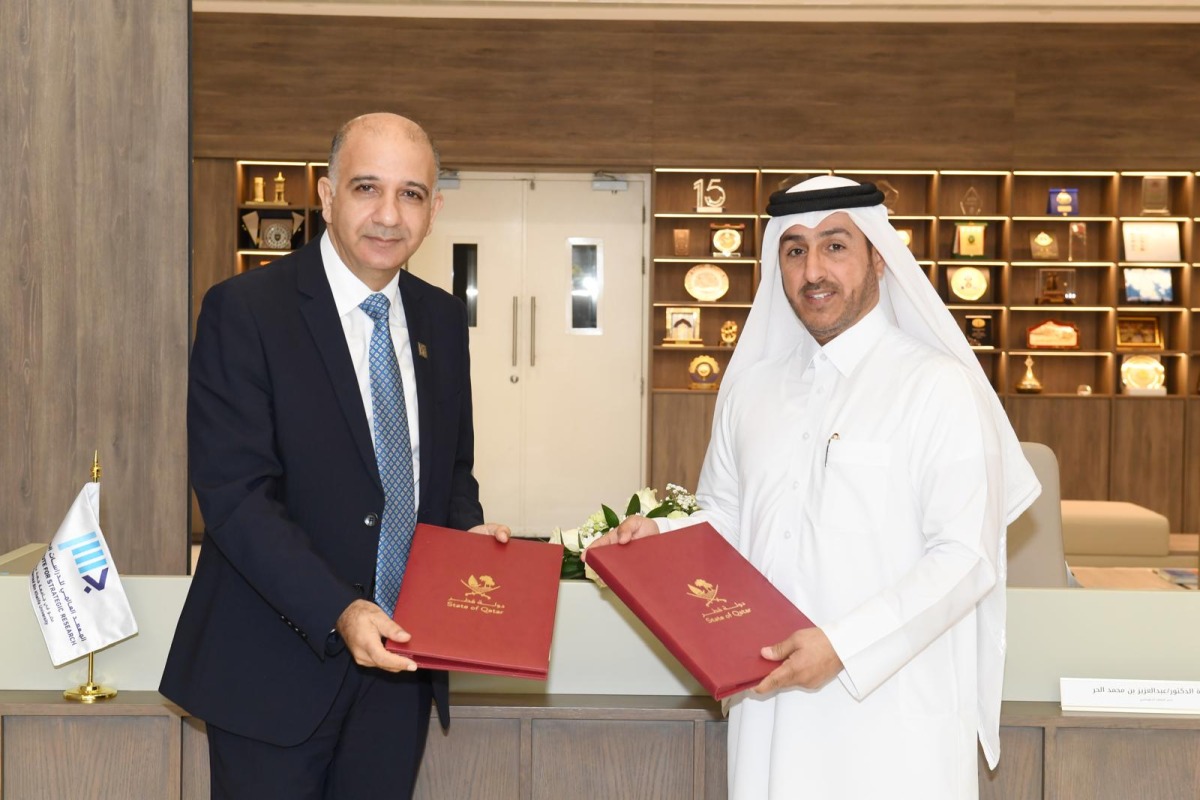

Doha, Qatar – Hamad Bin Khalifa University’s (HBKU) Global Institute for Strategic Research (GISR) is strengthening its role as a key policy influencer in the region through a new partnership with the Ministry of Foreign Affairs’ (MoFA) Diplomatic Institute and a prominent presence at the recent Doha Forum 2025. This collaboration aims to translate research into practical solutions for global challenges, solidifying GISR’s position as a leading strategic research center. The initiatives underscore Qatar’s commitment to informed diplomacy and proactive engagement in international affairs.
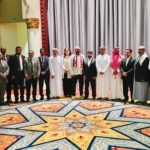
The Memorandum of Understanding (MoU) signed on [Date – infer from article] between Dr. Abdulaziz Al-Horr, Director of the Diplomatic Institute, and Dr. Mohamed Ali Chihi, Executive Director of GISR, formalizes a commitment to joint programs, workshops, and research. This builds upon an earlier agreement between HBKU and MoFA, signaling a deepening relationship focused on addressing complex geopolitical issues. The partnership will focus on areas of mutual interest, including governance, economic policy, and international security.
GISR and the Ministry of Foreign Affairs Enhance Strategic Research Capabilities
The MoU is designed to bridge the gap between academic research and real-world policy implementation. According to Dr. Chihi, the collaboration will “bolster our wide-ranging research and advance our capacity to jointly develop informed contributions to ongoing efforts toward resolving some of the most pressing global challenges.” This includes tailored skill development programs for future diplomats and leaders, enhancing their understanding of critical global dynamics.
GISR’s increased engagement extends to its active participation in the Doha Forum 2025, a platform for international dialogue and collaboration. The institute’s sessions aligned with the Forum’s theme of ‘Justice in Action: Beyond Promises to Progress,’ focusing on critical areas like governance reform and sustainable resource management.
Addressing Global Governance Challenges
During a panel discussion on ‘Justice in Action: Global & Regional Governance Strategies,’ Dr. Chihi emphasized the growing divisions in the international system driven by geopolitical shifts and technological advancements. He argued that a lack of justice poses a significant threat to global peace and stability, requiring a fundamental re-evaluation of existing governance structures. This perspective aligns with broader discussions on the need for a more equitable and effective multilateral system.
GISR collaborated with the Washington-based Stimson Center to deliver these impactful panels at the Doha Forum. This partnership demonstrates the institute’s commitment to engaging with leading international think tanks and fostering a multidisciplinary approach to problem-solving. The collaboration facilitated a higher level of discourse on issues shaping the international landscape, particularly concerning future challenges over the next decade.
The institute’s work also touches upon related areas of international relations and policy analysis. By providing data-driven insights, GISR aims to inform decision-making processes and contribute to more effective policy outcomes. This is particularly relevant in a region undergoing rapid transformation and facing complex security and economic challenges.
The partnership between GISR and the Diplomatic Institute is expected to yield concrete outputs in the coming months, including joint research reports and policy briefs. The first collaborative workshops are tentatively scheduled for [Timeframe – infer from article], focusing on capacity building for diplomats in areas such as conflict resolution and international negotiation. The success of these initiatives will depend on continued funding and the ability to attract top-tier researchers and policymakers.
Looking ahead, GISR will likely continue to expand its network of international partners and deepen its engagement in key policy debates. The institute’s focus on translating research into actionable insights positions it as a valuable resource for Qatar and the broader region as they navigate an increasingly complex and interconnected world. Further developments to watch include the publication of GISR’s research findings and the impact of its training programs on the next generation of diplomatic leaders.
Learn more about GISR at HBKU
Visit the Ministry of Foreign Affairs website
Explore the Doha Forum