



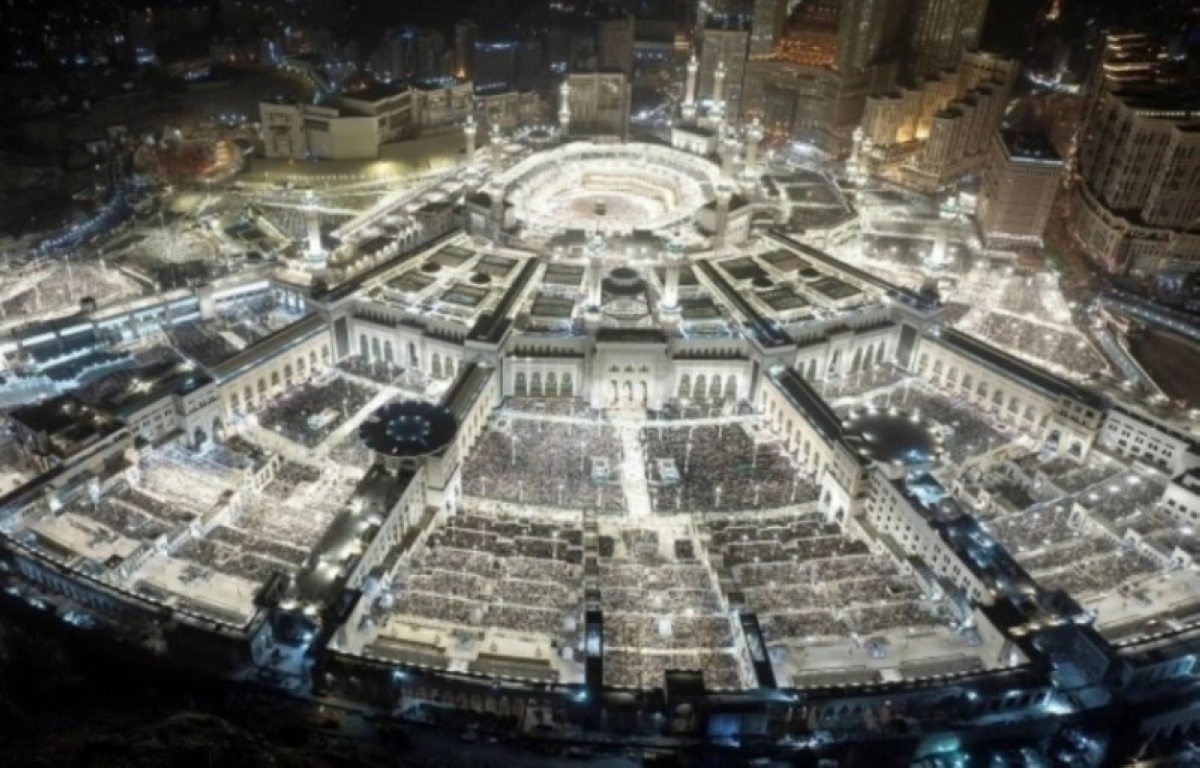

The General Authority for the Care of the Affairs of the Grand Mosque and the Prophet’s Mosque has implemented dedicated pathways within the Grand Mosque in Makkah to improve accessibility for pilgrims with disabilities and elderly worshippers. These new passages aim to facilitate the performance of religious rites and enhance the overall experience for those with mobility challenges. The initiative reflects ongoing efforts to elevate service quality for all visitors to Islam’s holiest site.
The dedicated routes were launched in preparation for the upcoming Umrah season and are currently available for use. Located strategically throughout the mosque complex, they are designed to minimize congestion and provide easier movement between prayer areas and facilities. This development underscores Saudi Arabia’s commitment to Vision 2030, which prioritizes inclusivity and improved experiences for visitors to the Kingdom.
Enhancing Accessibility for Pilgrims with Disabilities
The creation of these dedicated passages is a significant step towards making the Grand Mosque more welcoming and navigable for individuals with limited mobility. According to the General Authority, the pathways have been carefully planned to address the specific needs of elderly individuals and people with disabilities, reducing physical strain during worship. This includes minimizing the need to navigate crowds and providing direct access to essential services.
Historically, navigating the vast expanse of the Grand Mosque, particularly during peak prayer times and the Hajj season, has presented challenges for those requiring assistance. The sheer volume of worshippers can make it difficult to move freely and safely. This new infrastructure directly responds to those longstanding concerns.
Strategic Placement and Design
The authority emphasized the thoughtful placement of these routes, ensuring they connect key areas within the mosque. This strategic design aims to streamline movement and reduce the distance travelled for those utilizing the pathways. The routes are also intended to alleviate pressure on general walkways, potentially improving the flow for all worshippers.
Additionally, the initiative includes improved signage and spatial guidance tools. The authority encourages all visitors to utilize these resources, which clearly indicate the location of dedicated routes, elevators, and other support services. This is particularly important during periods of high visitation when the mosque is at its busiest.
The implementation of these pathways is part of a broader effort to integrate accessibility features into the Grand Mosque. Recent years have seen upgrades to elevator systems and the provision of wheelchairs, reflecting a sustained focus on inclusivity. The Ministry of Hajj and Umrah has also been working on initiatives to streamline visa processes and provide pre-travel information for individuals with specific needs.
However, the success of these new routes will depend on awareness and cooperation from all visitors. The authority has requested that pilgrims and worshippers respect the designated pathways and prioritize their use for those who genuinely require them. Effective enforcement of this policy will be crucial to ensuring the routes remain clear and accessible.
The move also aligns with international best practices in accessibility. Many major religious sites around the world are actively working to improve facilities for people with disabilities, recognizing their right to participate fully in religious observances. This initiative positions the Grand Mosque as a leader in providing inclusive worship experiences.
The impact of these changes extends beyond simply easing physical movement. Providing a comfortable and accessible environment can significantly enhance the spiritual experience for elderly pilgrims and those with disabilities. It allows them to focus on their worship without the added stress of navigating logistical challenges. This is a key consideration given the profound religious significance of the Hajj and Umrah journeys.
The Saudi government has invested heavily in infrastructure improvements at both the Grand Mosque and the Prophet’s Mosque in recent years. These investments are driven by a desire to accommodate the growing number of pilgrims and to provide a world-class experience for all visitors. The focus on Umrah pilgrims is particularly strong, as the Kingdom aims to increase the number of visitors undertaking this lesser pilgrimage.
Looking ahead, the General Authority has indicated that it will continue to monitor the effectiveness of the new pathways and make adjustments as needed. Further enhancements, such as the expansion of dedicated seating areas and the provision of more specialized assistance, are also being considered. The authority is expected to release a comprehensive report on the implementation and impact of the initiative following the peak Umrah season. The long-term success of this project will depend on ongoing evaluation and adaptation to the evolving needs of worshippers.
The next phase of development may include integrating smart technologies to provide real-time navigation assistance and personalized support for individuals with disabilities. The authority is also exploring partnerships with organizations specializing in accessibility to further refine its services. Monitoring visitor feedback and analyzing data on pathway usage will be essential to inform future decisions and ensure the continued improvement of accessibility at the Grand Mosque.