





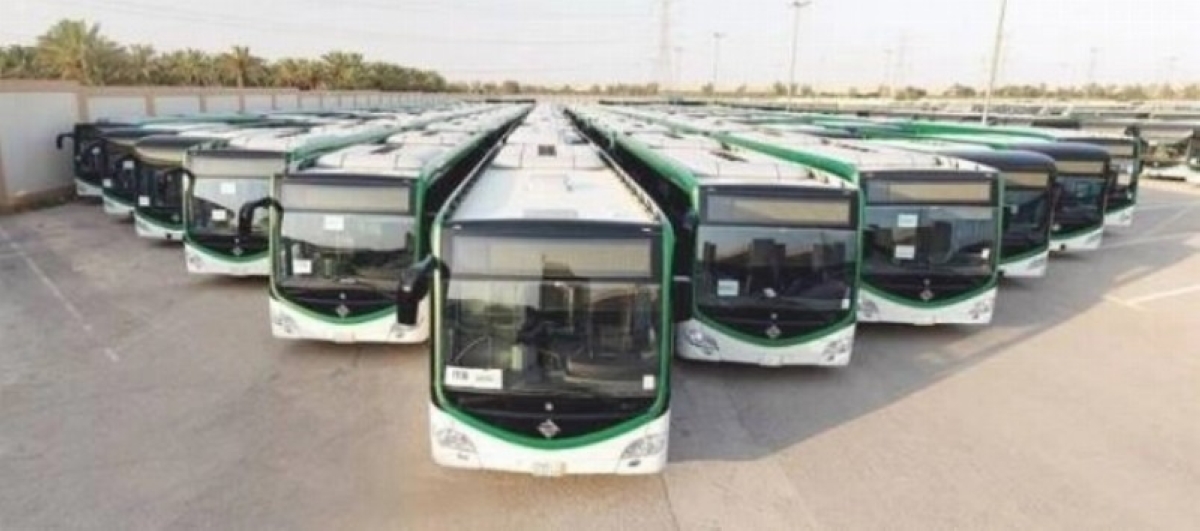

The Riyadh Public Transport Authority has announced a significant change to its ticketing system, introducing semester passes for students and annual passes for all riders beginning January 1, 2026. These new Riyadh public transport tickets will offer unlimited travel within the capital city for a fixed price, aiming to provide a more cost-effective and convenient option for commuters. The change was announced Friday and represents a key part of ongoing efforts to modernize and improve transportation infrastructure in Riyadh.
The new ticket options will be available across all modes of public transportation operated by the authority, including buses and the Riyadh Metro, when it is fully operational. This initiative is projected to impact the daily commutes of residents and students throughout Riyadh, as well as potentially attract more riders to the public transit network. The launch date of January 1, 2026, allows time for system updates and public awareness campaigns.
Expanding Access with New Riyadh Public Transport Tickets
Historically, Riyadh’s public transportation system relied primarily on single-journey tickets and limited-duration passes. The introduction of longer-term options like semester and annual tickets represents a departure from this approach, mirroring systems found in other major global cities. According to the Riyadh Public Transport Authority, the shift is directly linked to a desire to better serve passenger needs and elevate transportation efficiency.
The move aims to incentivize consistent use of public transportation, reducing reliance on private vehicles. This, in turn, could contribute to lessening traffic congestion and lowering air pollution levels within Riyadh. The economic benefits for frequent travelers are also expected to be substantial.
Details of the New Ticket Options
While specific pricing information has not yet been released, the Riyadh Public Transport Authority confirmed that both the student semester ticket and the annual ticket provide unlimited rides during their respective validity periods. The definition of a “semester” is presumed to align with the academic calendar of major educational institutions within the city.
The availability of a student-specific discount demonstrates a targeted effort to encourage public transport usage among young people. This aligns with broader government initiatives to promote sustainable lifestyles and reduce the carbon footprint of the city’s population. Further details on eligibility criteria for the student passes will likely be published in the coming months.
The introduction of annual passes aims to appeal to a wider demographic, including daily commuters and residents who frequently utilize public transportation for leisure activities. This option could prove particularly popular as the Riyadh Metro network expands its coverage and frequency. The seamless integration between different transport modes will be important for maximizing the value of these passes.
This announcement follows earlier updates regarding the phased opening of the Riyadh Metro. Construction on the ambitious project began in 2014, and while delays have occurred, several lines are expected to become operational in the near future. The new ticket structure is designed to coincide with increased metro accessibility.
Meanwhile, experts in urban transportation suggest that successful implementation hinges on robust fare enforcement and a user-friendly ticketing system. The ease of purchasing and managing these new ticket types will be a crucial factor in driving adoption rates. Digital ticketing options, such as mobile apps and contactless payment, are widely anticipated.
Impact on Riyadh’s Transportation Landscape
The changes to public transportation fares in Riyadh are part of a larger Vision 2030 initiative to diversify the Saudi Arabian economy and improve the quality of life for its citizens. A key component of Vision 2030 is the development of world-class infrastructure, including a comprehensive public transportation network.
Investment in public transport is anticipated to generate a ripple effect, stimulating economic growth in areas accessible by the network. Additionally, a robust public transportation system can reduce the strain on existing road infrastructure, leading to lower maintenance costs and improved traffic flow. This could also increase property values along transport corridors.
In contrast to the current system, where cost can be a significant barrier for frequent use, the new ticket options aim to provide predictability and affordability. This is expected to benefit lower-income individuals and families who rely on public transport for access to employment, education and essential services. The long-term impact on social equity remains to be seen.
The availability of affordable monthly and yearly options will also likely influence urban planning decisions. Encouraging density around transit hubs and promoting mixed-use developments are strategies expected to gain traction as public transport becomes a more attractive alternative to private car ownership. The overall effect could be a more sustainable and livable Riyadh.
The development of a convenient and integrated transportation system is crucial for a growing city like Riyadh, which has experienced rapid population expansion in recent decades. The Ministry of Transport has been actively working on projects to improve connectivity and capacity across the city and surrounding regions. The new ticketing system is a significant step towards realizing these goals.
Looking ahead, the Riyadh Public Transport Authority is expected to release detailed information regarding pricing, purchase locations, and system integration in the coming months. The success of this initiative will be monitored closely, with key metrics including ridership numbers, customer satisfaction and reduction in traffic congestion. Adjustments to the ticket structure or implementation strategy are possible based on initial performance data. A public awareness campaign outlining the benefits and usage of the new travel cards is also anticipated before the January 1, 2026 launch.