




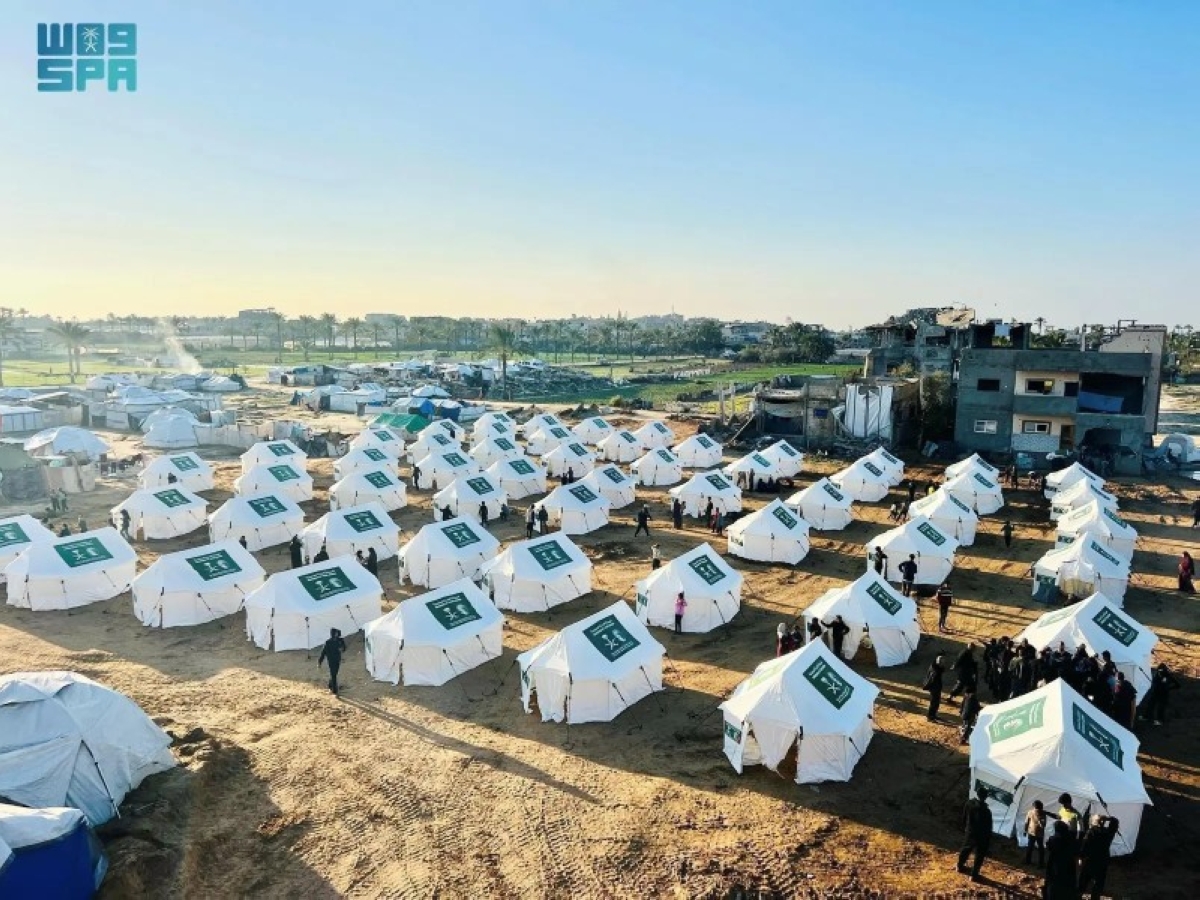

RIYADH — The King Salman Humanitarian Aid and Relief Center (KSrelief) has established a new emergency camp in the central Gaza Strip, offering immediate shelter to hundreds of families recently displaced by conflict and severe weather. The camp, comprised of over 250 tents, is a direct response to the escalating humanitarian crisis in Gaza and part of Saudi Arabia’s ongoing fundraising efforts to support the Palestinian people. The initiative aims to provide critical protection during the harsh winter months.
The camp’s establishment comes after reports of widespread damage to existing temporary shelters due to recent storms and flooding. KSrelief, working through its implementing partner the Saudi Center for Culture and Heritage, prioritized the rapid deployment of aid to address the immediate needs of those left vulnerable. This latest effort underscores Saudi Arabia’s continued commitment to providing assistance to Palestinians facing unprecedented challenges.
Addressing the Urgent Need for Gaza Humanitarian Relief
The situation in Gaza has been deteriorating for months, exacerbated by ongoing conflict and a lack of essential resources. According to the United Nations Relief and Works Agency for Palestine Refugees in the Near East (UNRWA), hundreds of thousands of Palestinians have been internally displaced. This displacement, coupled with the onset of winter, has created a critical need for shelter, food, and medical supplies.
Recent severe weather events have further compounded the difficulties. The report indicates that heavy rainfall and strong winds have destroyed numerous tents and makeshift shelters, leaving families exposed to the elements. This has significantly increased the risk of illness and hardship, particularly for vulnerable populations like children and the elderly.
Impact of Weather on Existing Infrastructure
The existing infrastructure in Gaza is already severely strained due to years of conflict and blockade. Damage to shelters isn’t isolated; it impacts already overwhelmed medical facilities and distribution networks. The destruction of temporary housing forces families to seek refuge in overcrowded shelters or with relatives, further stretching limited resources.
Additionally, the flooding has raised concerns about waterborne diseases. Access to clean water and sanitation is already limited in Gaza, and the contamination of water sources poses a serious threat to public health. International organizations are working to provide water purification tablets and hygiene kits, but the scale of the need is immense.
Beneficiaries of the new KSrelief camp have expressed their gratitude for the assistance, describing it as a vital lifeline. Families have reported that the tents provide a much-needed sense of security and protection from the harsh weather conditions. The provision of shelter is seen as a critical step in alleviating their suffering during a particularly difficult time.
This initiative builds upon Saudi Arabia’s long-standing history of support for the Palestinian people. KSrelief has previously provided a wide range of assistance, including food aid, medical supplies, and financial support. The Kingdom has consistently advocated for a peaceful resolution to the Israeli-Palestinian conflict and has pledged to continue providing humanitarian assistance to those in need.
The Saudi fundraising campaign to aid Palestinians has garnered significant support both domestically and internationally. The campaign aims to raise funds for a variety of humanitarian projects, including the provision of shelter, food, medical care, and education. The funds are being channeled through KSrelief to ensure that aid reaches those who need it most efficiently.
Meanwhile, other international organizations are also ramping up their efforts to provide assistance to Gaza. The World Food Programme (WFP) is distributing food aid to vulnerable families, while the World Health Organization (WHO) is working to strengthen the healthcare system. However, access to Gaza remains a significant challenge, hindering the delivery of aid.
In contrast to the immediate relief efforts, long-term solutions are needed to address the root causes of the humanitarian crisis. This includes addressing the ongoing conflict, lifting the blockade of Gaza, and promoting economic development. Sustainable solutions require a concerted effort from the international community and a commitment to a just and lasting peace.
Looking ahead, KSrelief plans to continue monitoring the situation in Gaza and providing assistance as needed. The center is assessing the long-term needs of the affected population and developing plans for future projects. The next phase of the response will likely focus on providing winterization kits, including blankets, heaters, and warm clothing. The timing and scope of these efforts will depend on the evolving situation on the ground and the availability of funding. Continued monitoring of weather patterns and potential for further displacement will be crucial in the coming weeks.