



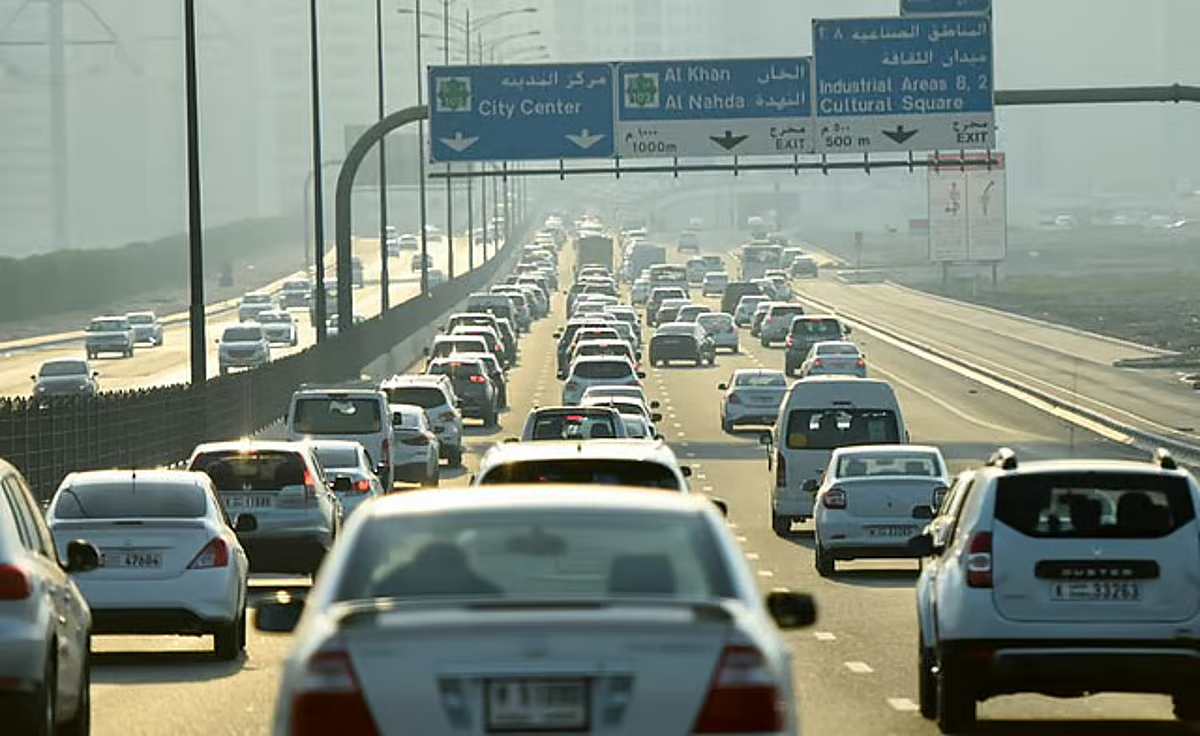

Motorists in the United Arab Emirates are facing significant traffic congestion during peak hours on several key roadways, impacting commutes across major emirates. Delays are currently reported on major arteries in Dubai, Abu Dhabi, and Sharjah, with conditions expected to persist throughout the week. The congestion is attributed to a combination of factors, including increased travel volume and ongoing roadworks.
The affected areas were first reported by traffic authorities early Monday morning, and updates continue to be issued via social media and traffic apps. Drivers are advised to plan extra travel time and consider alternative routes where possible. Authorities are working to manage the flow of vehicles and minimize disruption, but substantial delays remain likely, particularly during the morning and evening rush hours.
Understanding the Current Traffic Situation in the UAE
The primary cause of the increased traffic appears to be a surge in vehicles on the road following the end of school holidays and a return to regular business operations after a period of reduced activity. This seasonal increase is a common occurrence, but this year’s impact has been amplified by several ongoing infrastructure projects. Additionally, the UAE has experienced substantial economic growth, leading to a higher number of registered vehicles overall.
Specific Roadways Affected
In Dubai, Sheikh Zayed Road is experiencing particularly heavy congestion in both directions between the Jebel Ali Port and the Dubai World Trade Centre. The RTA (Roads and Transport Authority) has reported slowdowns exceeding 45 minutes during peak times. Similarly, Emirates Road (E611) is heavily impacted, especially near the Dubai-Sharjah border.
Abu Dhabi is seeing significant delays on the E10, also known as Al Ain Road, and on the Sheikh Zayed Bin Sultan Street. According to the Integrated Transport Centre (ITC), the congestion is largely due to increased commercial vehicle movement alongside regular commuter traffic. Motorists are also reporting slower than usual speeds on the Corniche Road.
Sharjah’s main thoroughfares, including Al Wahda Road and King Faisal Road, are also experiencing substantial delays. The Sharjah Police have deployed additional patrols to manage the flow and assist drivers. The increased volume of traffic is also impacting access to industrial areas like Al Sajaa.
Impact of Roadworks
Several long-term road improvement projects are contributing to the current congestion. These include expansion work on Sheikh Zayed Road in Dubai, aimed at increasing capacity and improving traffic flow in the long run. The Ministry of Energy and Infrastructure is also undertaking significant upgrades to highways connecting Abu Dhabi and Dubai, further restricting lanes and causing slowdowns.
These projects, while ultimately beneficial, inevitably cause temporary disruptions. The authorities have been attempting to schedule the most disruptive work during off-peak hours, but some delays are unavoidable. The completion dates for these projects vary, with some expected to finish by the end of the year and others extending into 2025.
Alternative Routes and Travel Planning
Drivers are strongly encouraged to utilize real-time traffic information available through apps like Google Maps, Waze, and the RTA’s own app, to identify and avoid the most congested areas. These platforms provide up-to-the-minute data on road conditions and suggest alternative routes.
Public transportation options, such as the Dubai Metro, Abu Dhabi bus network, and intercity buses, are also viable alternatives for commuters. The RTA and ITC have increased the frequency of services on some routes to accommodate the higher demand. However, even public transport is experiencing increased ridership and potential delays.
For those who must drive, leaving earlier or later than the peak hours is recommended. The typical rush hour in Dubai and Abu Dhabi runs from 7:00 AM to 9:00 AM and from 5:00 PM to 7:00 PM. Adjusting travel times by even 30 minutes can significantly reduce commute times. Considering carpooling is another option to reduce the number of vehicles on the road.
Long-Term Solutions and Future Outlook
The UAE government has been investing heavily in transportation infrastructure to address the growing traffic challenges. This includes the expansion of existing roads, the construction of new highways, and the development of public transportation networks. The planned expansion of the Dubai Metro and the ongoing development of the Etihad Rail project are key components of this strategy.
Furthermore, the implementation of smart traffic management systems, utilizing artificial intelligence and data analytics, is aimed at optimizing traffic flow and reducing congestion. These systems can dynamically adjust traffic signal timings and provide real-time information to drivers. The Ministry of Interior is also exploring the use of advanced technologies for traffic monitoring and enforcement.
Looking ahead, the situation is expected to remain challenging in the short term, particularly as the roadworks continue. The ITC has indicated that they will continue to monitor traffic conditions closely and provide regular updates to the public. The effectiveness of the long-term infrastructure projects in alleviating congestion will become more apparent as they are completed and integrated into the overall transportation network. Continued population growth and economic development will necessitate ongoing investment and innovation in transportation solutions.
The next major update from the RTA regarding the Sheikh Zayed Road expansion is scheduled for mid-November, outlining the projected completion timeline for the current phase. Motorists should continue to monitor official channels for the latest information and plan their journeys accordingly. The impact of fuel prices and the increasing adoption of electric vehicles on overall commuting patterns also remains a factor to watch.