






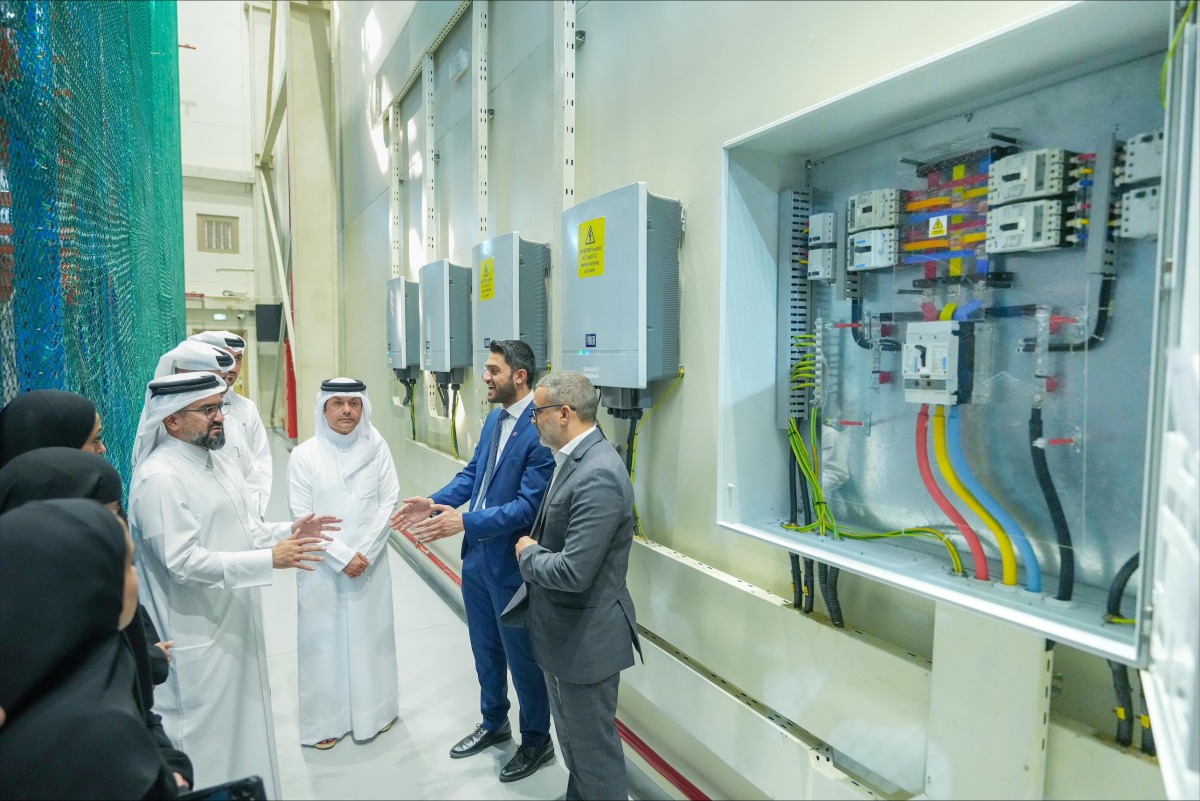

Doha, Qatar – The Qatar General Electricity and Water Corporation (Kahramaa) recently conducted a site visit to Al Taadhod Trading and Contracting Group in the Birkat Al Awamer area, marking a significant step in the rollout of its BeSolar service. This initiative, launched in the third quarter of 2024, aims to bolster the nation’s commitment to renewable energy and reduce its carbon footprint. The visit highlighted Al Taadhod’s success as the first customer to fully implement the program.
The Al Taadhod project showcases the potential of distributed generation within Qatar’s energy infrastructure. The installation of 819 solar panels across a 4,900 square meter building is projected to cover approximately 70% of the facility’s electricity needs, with a peak production capacity of 369 kilowatts. This demonstrates a practical application of Qatar’s broader energy diversification goals.
Understanding the BeSolar Initiative and its Benefits
Kahramaa’s BeSolar service is designed to encourage both residential and commercial entities to invest in solar energy. The program centers around a net metering system, a crucial component for making renewable energy financially viable for consumers. This system allows customers to offset their electricity consumption with the energy they generate, effectively reducing their monthly bills.
According to Kahramaa, the economic advantages extend beyond immediate cost savings. The net metering system facilitates a gradual return on investment for solar installations, incentivizing wider adoption of solar power. Furthermore, the ability to export surplus electricity back to the national grid contributes to overall grid stability and efficiency.
Environmental and Strategic Alignment
The launch of BeSolar is directly aligned with the Qatar National Vision 2030, which prioritizes environmental sustainability and a transition towards a more diversified economy. Specifically, the program supports the national targets of producing 4 gigawatts of centralized solar power and 200 megawatts from distributed systems, like the one at Al Taadhod.
Beyond meeting specific production goals, the initiative aims to foster a culture of sustainability throughout Qatar. By reducing reliance on traditional fossil fuels, BeSolar contributes to lowering carbon emissions and mitigating the effects of climate change. This aligns with global efforts to promote clean energy sources.
How Net Metering Works in Qatar
The net metering system employed by Kahramaa calculates the difference between the electricity a customer consumes from the grid and the electricity they export back to it. Customers are then billed only for the net amount of electricity used. This encourages energy conservation and maximizes the utilization of self-generated renewable energy.
However, the specifics of net metering policies, such as the rates at which surplus electricity is credited, can significantly impact the financial returns for customers. Kahramaa has not yet released detailed information on long-term adjustments to these rates, which will be a key factor in the program’s continued success.
The Al Taadhod project serves as a valuable case study for future implementations of BeSolar. Kahramaa intends to continue conducting site visits to assess the performance of installed systems and gather data to optimize the program. This ongoing evaluation will be crucial for ensuring that BeSolar effectively contributes to Qatar’s energy transition goals.
Looking ahead, Kahramaa plans to expand the availability of BeSolar to a wider range of customers and explore integration with emerging energy technologies. The corporation will also focus on streamlining the application and installation process to encourage greater participation. The long-term impact of the program will depend on factors such as government incentives, technological advancements, and public awareness regarding the benefits of solar energy.
The success of initiatives like BeSolar is vital for Qatar as it navigates the complexities of balancing economic growth with environmental responsibility. Continued monitoring and adaptation will be essential to achieving the ambitious targets set forth in the Qatar National Vision 2030.