






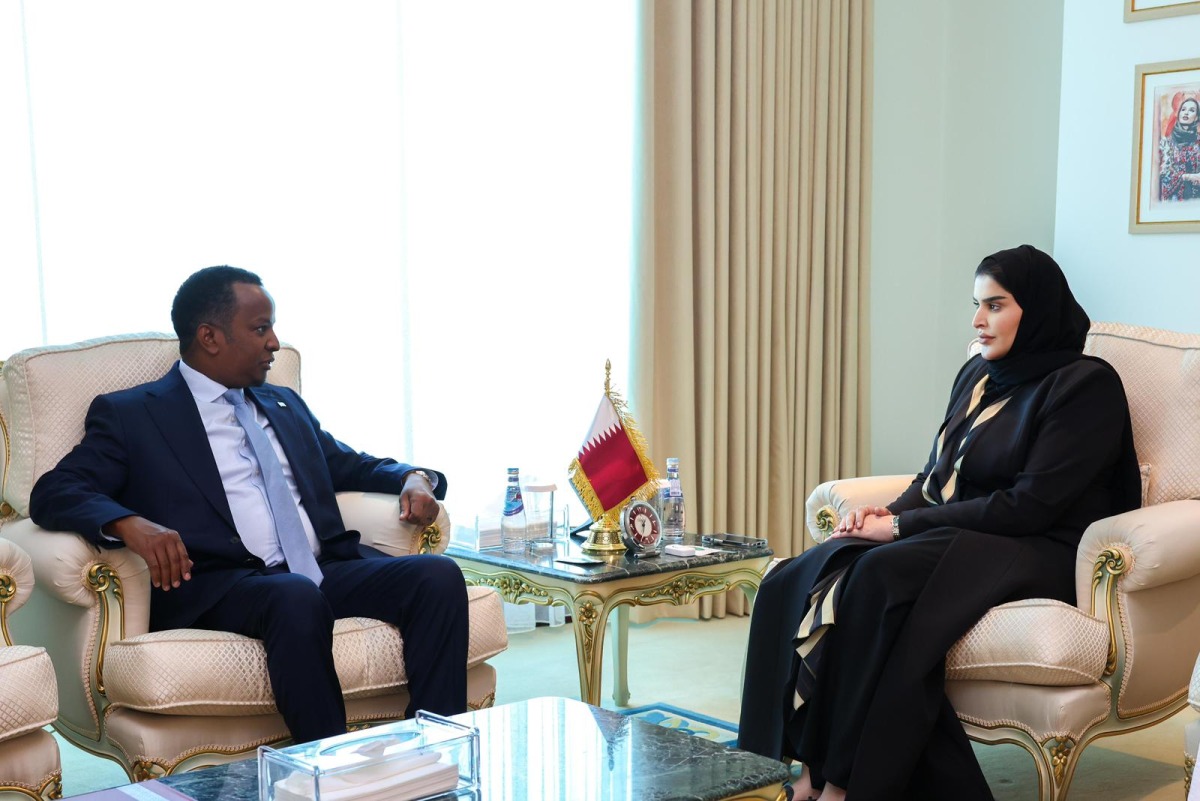

Doha, Qatar – Qatar and Somalia convened talks this week focused on strengthening bilateral ties, particularly regarding Qatar’s ongoing humanitarian aid to Somalia. The meeting, held on December 11, 2023, between Qatar’s Minister of State for International Cooperation, Dr. Maryam bint Ali bin Nasser Al Misnad, and Somalia’s Minister of Foreign Affairs and International Cooperation, Abdisalam Abdi Ali, addressed collaborative efforts in development and support for Somalia’s stability. Discussions centered on reinforcing Qatar’s commitment to Somalia’s sovereignty and territorial integrity.
The meeting took place in Doha as Somalia continues to grapple with complex challenges including political instability, security threats from extremist groups, and a severe humanitarian crisis exacerbated by drought and conflict. Qatar has historically played a significant role in providing assistance to Somalia, and this meeting signals a continuation of that support. The Somali minister is currently on a visit to Qatar to further these discussions.
Qatar’s Continued Humanitarian Aid to Somalia
According to a statement released by the Qatari Ministry of State for International Cooperation, Dr. Al Misnad reiterated Qatar’s “firm and steadfast position” in supporting Somalia. This commitment extends beyond financial assistance to include backing efforts aimed at achieving lasting security and stability within the country. Qatar’s involvement in Somalia is part of a broader regional strategy focused on conflict resolution and development.
Somalia has faced decades of civil war and instability, hindering its economic development and creating a significant need for international assistance. The current government, led by President Hassan Sheikh Mohamud, is working to rebuild the nation’s institutions and address the root causes of conflict. Qatar’s support is seen as crucial in these endeavors.
Areas of Cooperation
The discussions between the two ministers reportedly covered several key areas of potential collaboration. These included infrastructure development, education, and healthcare initiatives designed to improve the lives of Somali citizens. The ministry statement highlighted a particular focus on development assistance.
Additionally, the ministers addressed the ongoing security situation in Somalia and explored ways Qatar could contribute to strengthening Somali security forces. This could involve providing training, equipment, or financial support for counter-terrorism efforts. Qatar has previously expressed concern over the activities of groups like Al-Shabaab operating within Somalia.
However, the specifics of any new agreements or pledges of support were not immediately disclosed. The meeting served primarily as a platform for high-level dialogue and reaffirmation of existing commitments. Analysts suggest that Qatar’s approach to Somalia is often characterized by long-term engagement and a focus on sustainable solutions.
The relationship between Qatar and Somalia has seen fluctuations over the years, influenced by regional political dynamics. In recent years, however, the two countries have worked to strengthen their ties, particularly in the areas of economic cooperation and political support. Qatar’s investments in Somalia’s port infrastructure, for example, have been viewed as strategically important for both nations.
Meanwhile, Somalia is also seeking increased engagement with other international partners, including the United States, the European Union, and the African Union. These partnerships are essential for addressing the multifaceted challenges facing the country and achieving long-term stability. The country relies heavily on international funding for its reconstruction and humanitarian programs.
In contrast to some other regional actors, Qatar has maintained a relatively consistent level of engagement with Somalia, even during periods of political turmoil. This consistency has fostered a degree of trust and cooperation between the two governments. The ongoing support is intended to help Somalia navigate its current difficulties.
Looking ahead, further details regarding specific projects and financial commitments are expected to emerge in the coming weeks. The effectiveness of Qatar’s aid will depend on its coordination with other international actors and the Somali government’s ability to implement reforms and ensure accountability. The situation in Somalia remains volatile, and the long-term impact of Qatar’s support is subject to ongoing developments and the evolving security landscape.
The next step will likely involve technical teams from both countries meeting to develop detailed implementation plans for the agreed-upon areas of cooperation. Monitoring the progress of these plans and assessing their impact on the ground will be crucial in determining the success of this renewed commitment to bilateral relations.