






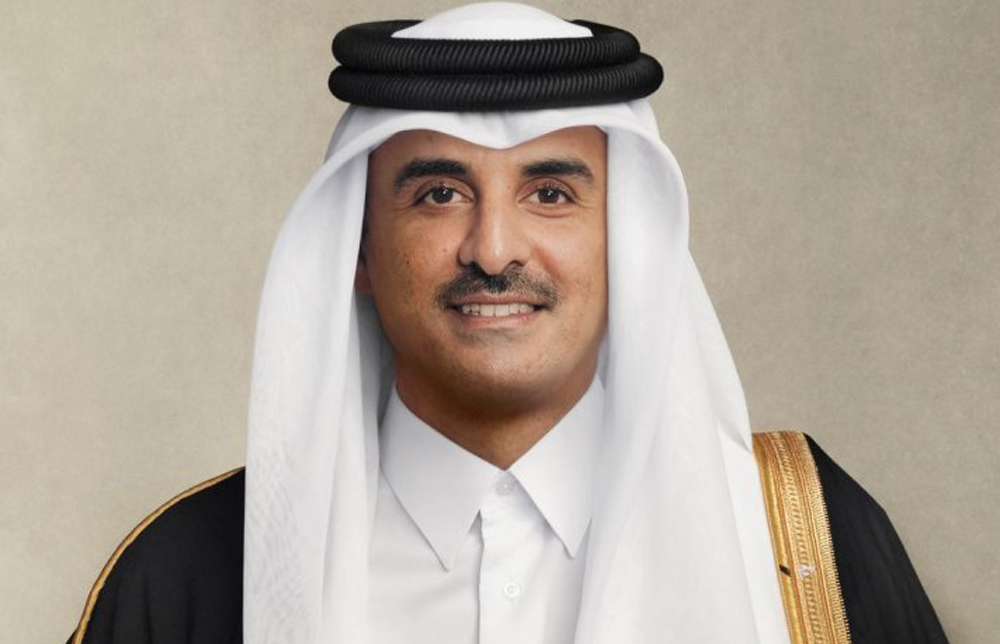

Qatar has extended congratulations to Burkina Faso on its National Day, observed annually on August 5th. The Amir HH Sheikh Tamim bin Hamad Al-Thani sent a message of goodwill to President Captain Ibrahim Traore, reaffirming Qatar’s commitment to strengthening bilateral relations with the West African nation. This gesture highlights Qatar’s ongoing diplomatic efforts across the African continent.
The congratulatory cable was dispatched from Doha, Qatar, on Saturday, August 5th, 2023, according to the official Qatar News Agency (QNA). Burkina Faso’s National Day commemorates its independence from France, achieved on August 5, 1960. The exchange of greetings underscores the importance Qatar places on maintaining positive international relations.
Strengthening Qatar-Burkina Faso Bilateral Relations
Qatar and Burkina Faso have been steadily building diplomatic and economic ties in recent years. While trade volume remains relatively modest compared to other Qatari partnerships, there’s growing interest in collaboration, particularly in infrastructure development and humanitarian aid. This latest exchange of congratulations is a standard diplomatic practice, but it signals continued engagement.
Recent Diplomatic Activity
In February 2023, Qatar provided humanitarian assistance to Burkina Faso amidst ongoing security and economic challenges. This aid, delivered through the Qatar Fund for Development, focused on supporting essential services and alleviating hardship for vulnerable populations. Additionally, officials from both countries have participated in regional forums discussing economic cooperation and security concerns.
Burkina Faso has faced significant political instability in recent years, including a military coup in September 2022 that brought Captain Traore to power. Qatar, like many international actors, has called for a peaceful and stable transition in the country. However, Qatar has maintained communication channels with the new administration, emphasizing the need for continued cooperation on shared interests.
The relationship is also viewed through the lens of Qatar’s broader strategy in Africa. Qatar aims to diversify its partnerships and increase its influence in the region, focusing on areas like investment, energy, and mediation. This approach is often characterized by a focus on long-term, sustainable development rather than short-term gains.
Despite the political turbulence, Burkina Faso remains a strategically important nation in the Sahel region of Africa. Its location and resources make it a key player in regional security and economic integration. Qatar’s continued engagement, therefore, can be seen as a commitment to stability in the wider area.
The current government in Burkina Faso is focused on restoring security and addressing the root causes of conflict, which include poverty and lack of access to basic services. According to reports from the United Nations, the country faces a complex humanitarian situation with a significant number of internally displaced persons. Qatar’s support, while not massive, is intended to contribute to these efforts.
Furthermore, Qatar’s investment in African infrastructure projects is gaining momentum. While no specific projects in Burkina Faso have been announced recently, the country is actively exploring opportunities in other parts of the continent. This suggests a potential for future collaboration as Burkina Faso seeks to rebuild and modernize its economy. Foreign policy in the region is complex, and Qatar is navigating a delicate balance between supporting stability and respecting national sovereignty.
Looking ahead, the next step will likely involve continued diplomatic dialogue between Qatar and Burkina Faso. The focus will be on identifying areas for practical cooperation and ensuring the effective delivery of any future aid commitments. The evolving security situation in Burkina Faso and the broader Sahel region will remain a key factor influencing the trajectory of this international cooperation. It remains uncertain how the political landscape will shift, and monitoring developments in Burkina Faso’s governance and security will be crucial for assessing the long-term prospects of Qatar’s engagement.
Analysts suggest that Qatar will continue to prioritize diplomatic ties with nations across Africa, seeking to foster mutually beneficial partnerships. The success of these endeavors will depend on a variety of factors, including regional stability, economic conditions, and the political will of both parties.
The Amiri Diwan has not yet released details regarding any planned high-level visits or new agreements.