





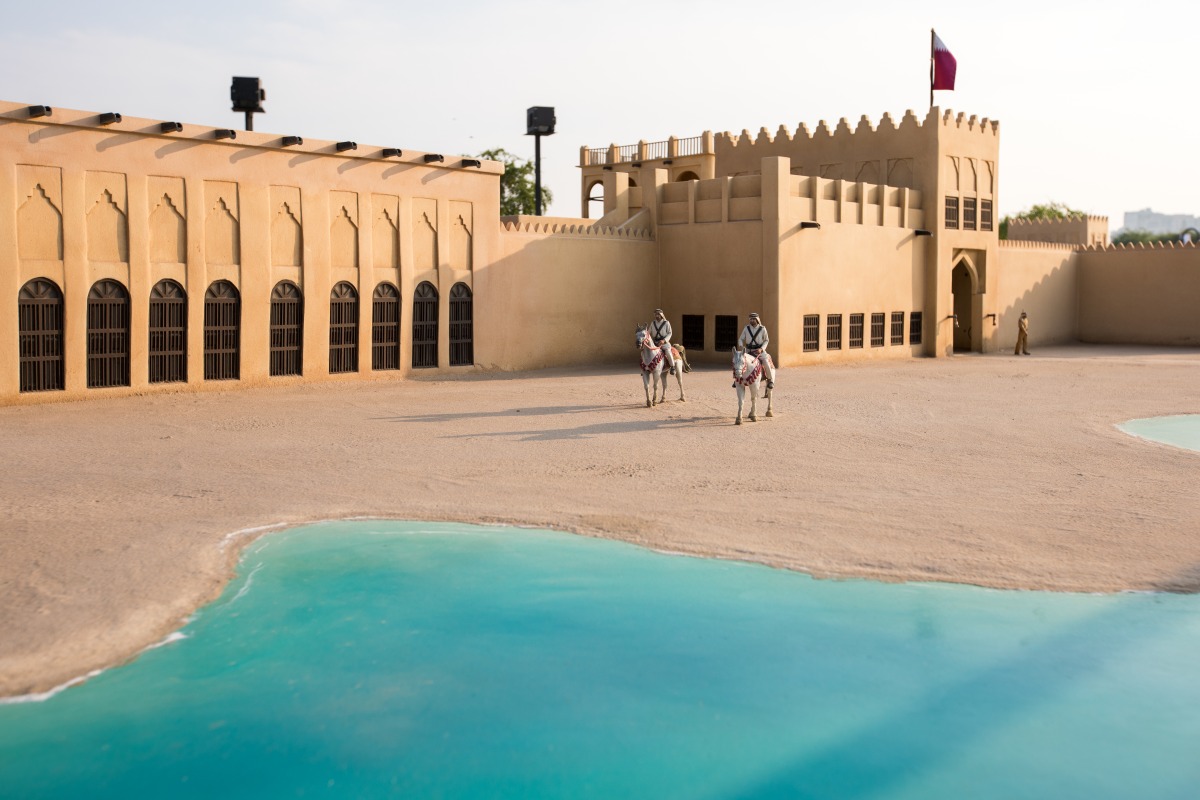

Old Doha Port is currently hosting an immersive cultural experience designed to showcase the history of Doha and its earliest neighborhoods. The installation, which opened recently, aims to reconnect visitors with the city’s past, specifically the period between the 1930s and 1950s, before its rapid modernization. The exhibit focuses on the traditional farij neighborhoods and the societal shifts that occurred during the transition from a pearl diving and fishing economy to the dawn of the oil era.
Located in the heart of the revitalized Old Doha Port, the experience offers a detailed look at the architectural styles and daily life of early Doha residents. According to a press release from the port authority, the exhibit utilizes detailed models and narrative displays to illustrate the evolution of the city’s social fabric. The project is part of a broader effort to preserve and promote Qatar’s cultural heritage.
Exploring Doha’s Historical Farij Neighborhoods
The farij, a traditional Qatari neighborhood, was characterized by close-knit communities and a distinct social structure. These neighborhoods were built around shared values and mutual support, playing a critical role in the lives of generations. The Old Doha Port installation seeks to recreate the atmosphere of these spaces, allowing visitors to understand their importance to the city’s identity.
The exhibit doesn’t just present buildings; it portrays the rhythm of life in these areas. Visitors can observe how traditional homes were constructed, often clustered together for shade and community, and learn about the essential role of mosques as both places of worship and communal gathering spaces. Similarly, the historic markets—or souqs—are highlighted as vital economic hubs and custodians of local traditions.
From Pearl Diving to Oil
The transformation of Doha wasn’t immediate. The exhibition shows the period when pearl diving was the mainstay of the local economy, and fishing provided essential sustenance. However, this era was soon to change drastically.
The discovery of oil in the region marked a turning point. The installation traces the initial stages of oil exploration and the subsequent impact on the city’s landscape and demographics. This shift brought new opportunities but also altered the traditional way of life, a dynamic the exhibit explores. According to local economic reports, this period laid the foundation for the modern, globally-connected city Doha is today.
Preserving Qatar’s Cultural Identity
The Old Doha Port project underlines Qatar’s commitment to preserving its unique heritage amidst rapid development. This focus aligns with the national vision which places emphasis on cultural preservation and sustainable tourism. Initiatives like this aim to educate both residents and visitors about the country’s rich history.
Additionally, the installation offers an interactive experience, moving beyond static displays to engage visitors on a deeper level. The thoughtful design encourages exploration and reflection on the values and traditions that shaped Doha. It utilizes modern presentation techniques to breathe life into historical narratives, offering a compelling window into the past.
The port itself has undergone significant development in recent years, shifting from a purely commercial harbor to a multi-functional destination that combines tourism, hospitality, and cultural offerings. This latest exhibit builds upon that foundation, further establishing Old Doha Port as a key site for understanding Qatari history and culture. Related experiences within the port also include traditional dhow cruises and displays of maritime heritage.
Looking ahead, the port authority has not announced a specific end date for the exhibit, but notes that it is intended to be a long-term feature. Future phases of the Old Doha Port development may include expanding similar cultural installations, focusing on different eras of the city’s history. The success of this initial exhibit will likely inform decisions about further investments in cultural tourism and heritage preservation within the broader Visit Qatar strategy.